China is using the yuan to help sanctioned economies keep trading with the outside world, but its capital controls mean the arrangement is undermining the dollar’s reach more than replacing it.
China Yuan Settlement Grows, Dollar Dominance Holds

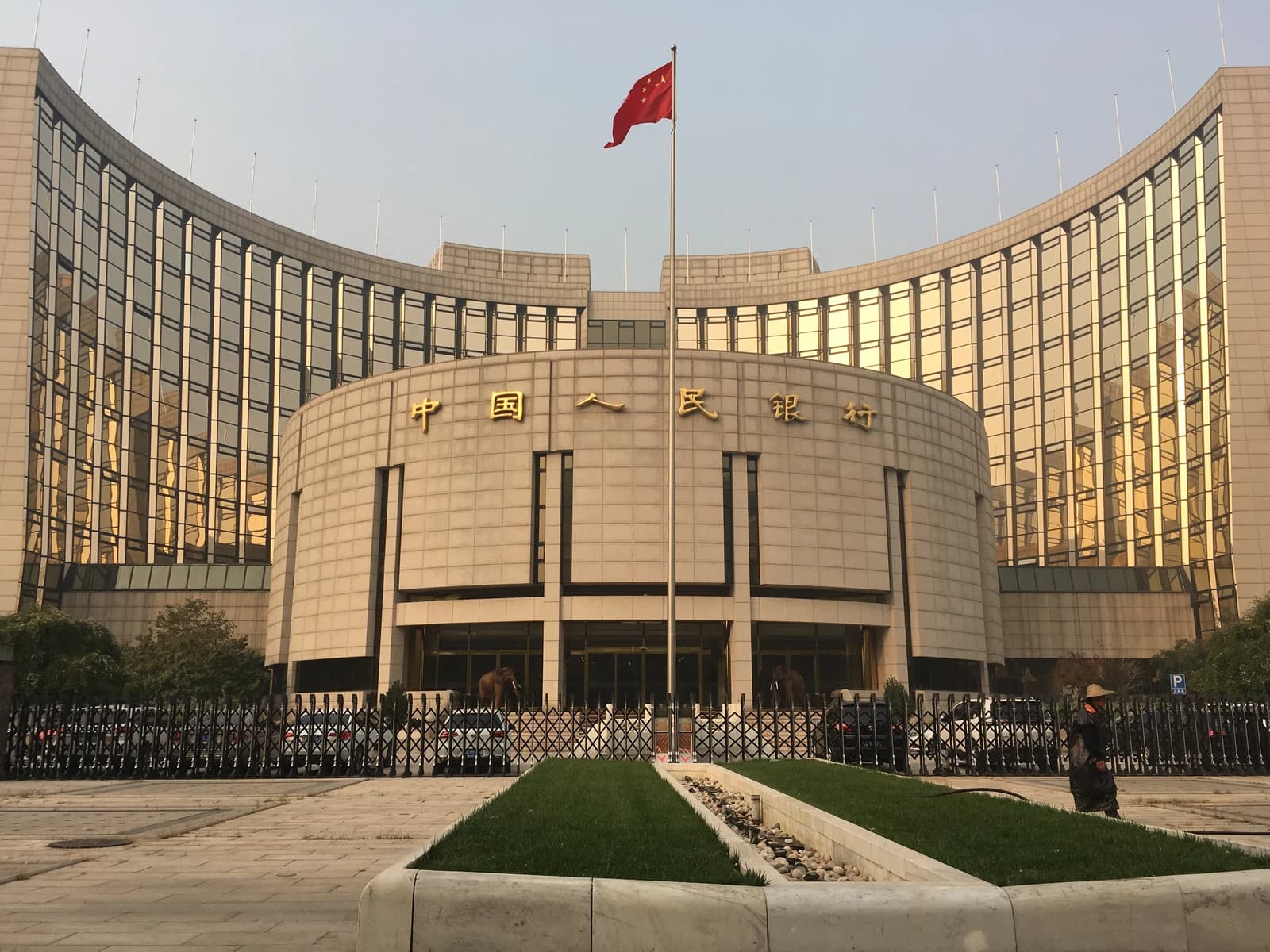
The distinction matters for markets because a true shift away from the dollar would change how trade is invoiced, reserves are held and sanctions are enforced. What is happening instead is narrower and more tactical: Beijing is expanding yuan settlement through its Cross-Border Interbank Payment System, or CIPS, while keeping the currency tightly fenced inside China’s financial system.
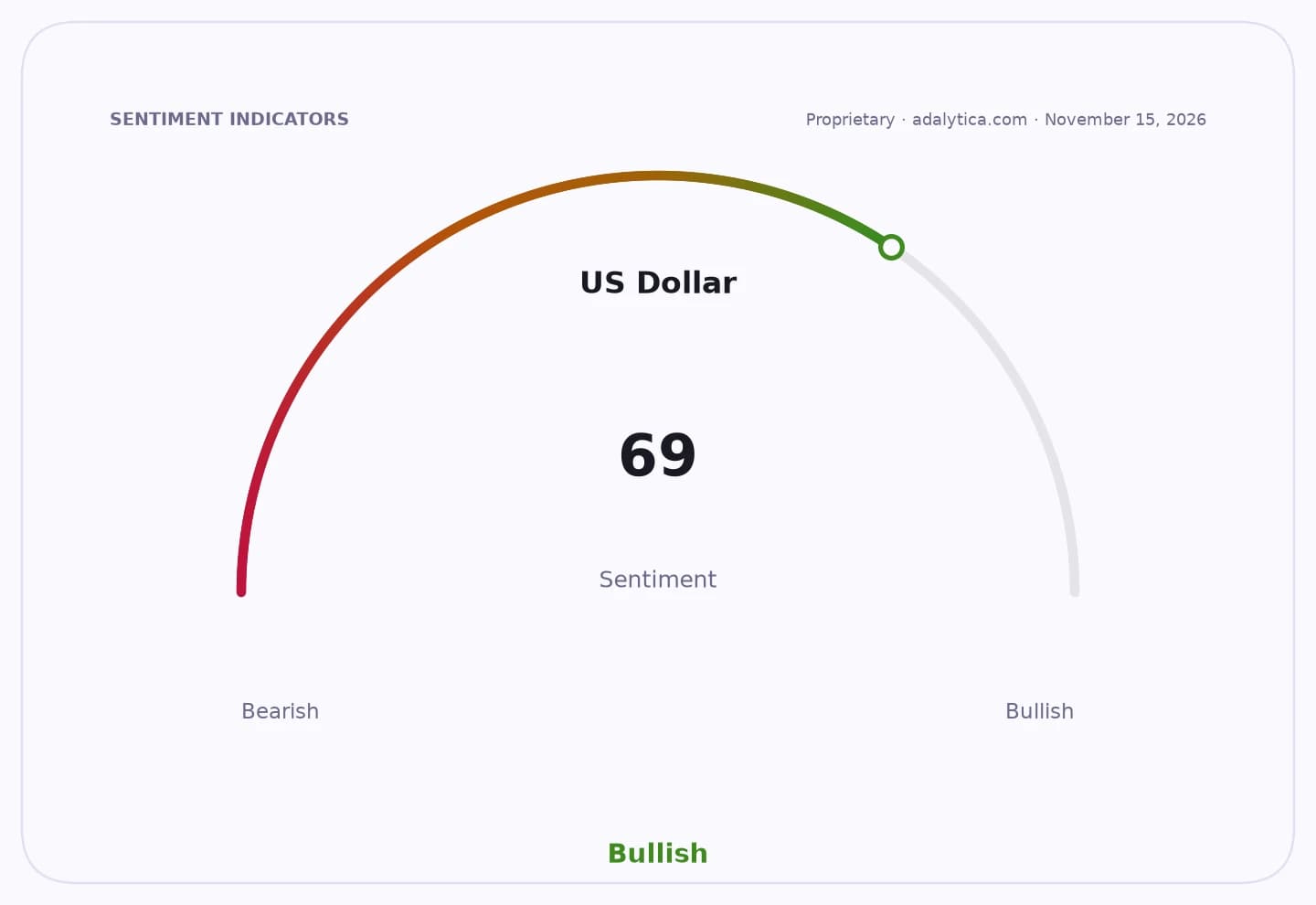
Sentiment Indicators

Daily average CIPS payments rose to 828 billion yuan in June 2026 from 339 billion yuan in January 2022, while China’s share of cross-border settlement in yuan climbed to 49% in July 2026 from 21% in January 2014. But those gains have not translated into a comparable erosion of dollar dominance. Foreign holdings of dollar assets still exceeded 70% of global GDP excluding the U.S. as of June 2026, and the dollar remains the main reserve, invoicing and foreign-exchange currency. The yuan still accounts for only low-single-digit shares in those markets.
That gap is the core of the story. China has deliberately kept the renminbi non-convertible at home, limiting how far foreign holders can take it beyond trade with Chinese counterparties. Deposits of yuan held offshore accounted for less than 0.5% of yuan deposits onshore in mid-2026, underscoring how small the international pool remains.
US Dollar
For Russia and Iran, the system offers relief from U.S. financial pressure, but not freedom from dependence. They can sell oil and other goods to China and settle in yuan, yet those funds are effectively trapped inside the Chinese system. Russian and Iranian officials have both complained that the money cannot easily be repatriated, forcing them to rely on shadow banking and laundering networks to convert yuan into dollars or other hard currencies for purchases from third countries and for payments to allies.
For investors, the implication is that China is helping build parallel payment channels, but not a full-fledged reserve-currency alternative. That limits the long-term threat to the dollar’s role in global finance even as it weakens one of Washington’s most potent tools: the ability to weaponize access to the dollar system. The paradox is that Beijing’s effort to insulate itself from U.S. sanctions may also reinforce the dollar’s appeal by highlighting how few credible substitutes exist.
The dollar’s resilience is visible in the market backdrop as well. UUP, the dollar-tracking fund, has held above its 50-day moving average and recently traded near 29.4, while the yuan fund FXY has slipped below both its 50-day and 200-day moving averages and its RSI has weakened, consistent with a currency that remains constrained by policy rather than driven by full market demand. That divergence fits the broader narrative: China can facilitate trade outside the dollar system, but it has not created a freely usable yuan ecosystem that global investors, central banks or multinational corporates can adopt at scale.
| Entity | Gains | Losses |
|---|---|---|
| China | ▲Wider yuan use in trade | ▼A more open capital account |
| Russia and Iran | ▲Sanctions workaround | ▼Access to hard currency |
| U.S. dollar system | ▲Sees rivals expose its reach | ▼Some sanctions leverage |
| Global investors | ▲Clearer view of dollar dominance | ▼Fewer clean alternatives |