The dollar’s post-election wobble is proving that the risks around a “divided government” were overstated, and that matters because a softer greenback can quickly reshape capital flows, inflation expectations and portfolio returns around the world.
Dollar Falls After U.S. Election, Gold and EM Gain
The dollar index fell to 101.2, its lowest level since late September, after Republicans lost control of both chambers of Congress. That outcome raises the odds of political gridlock in Washington and makes sweeping changes to taxes, spending and trade less likely, at least for now. For investors, the bigger takeaway is not politics alone, but the way markets are responding: capital is already moving toward non-dollar assets, including European and Japanese bonds, emerging-market equities, local currencies and gold.
Sentiment Indicators
FX Vol Index
That shift matters economically because the dollar sits at the center of global pricing and funding. When it weakens, it eases pressure on foreign borrowers with dollar debt, supports commodity prices and can help emerging markets by slowing capital outflows. Reuters noted that the MSCI Emerging Markets index rose on Nov. 4 and that related currencies gained support, while a weaker dollar also improves the relative appeal of overseas assets for U.S. investors. Gold has been a clear beneficiary as well, since it offers a refuge outside any single government’s balance sheet.
The bond market is reinforcing the same message. The U.S. 10-year Treasury yield has climbed to about 5.1%, suggesting investors are still demanding a high premium even as the dollar slips. That combination is important: it points to a market that is not pricing a clean, risk-free American story, but rather one in which fiscal uncertainty, debt concerns and changing reserve preferences are all competing at once.
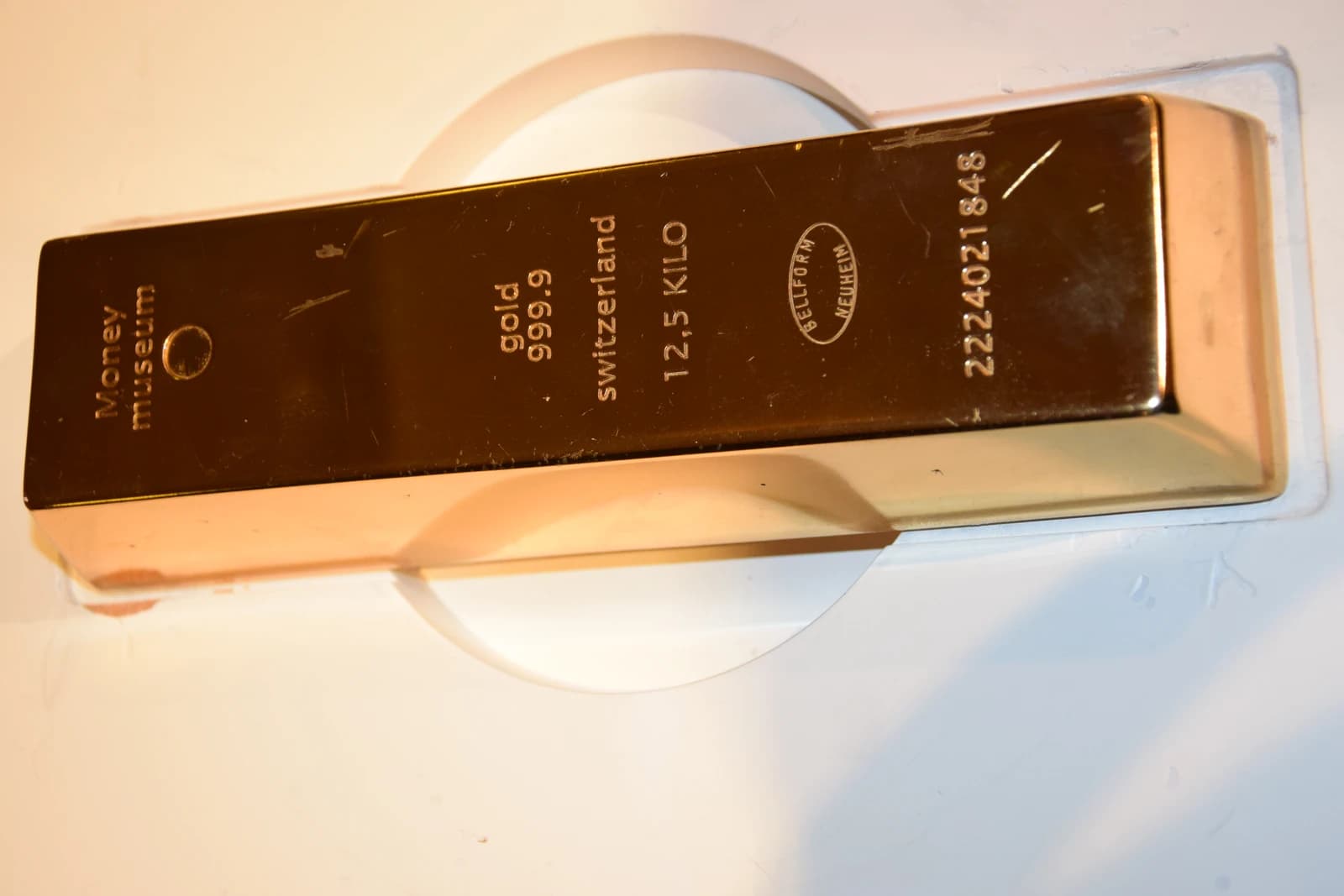
For long-term investors, the more durable narrative is the steady erosion of dollar dominance at the margin, not a dramatic collapse. The International Monetary Fund said the dollar’s share of global reserves fell to 56.70% in the second quarter from 57.18%, while gold’s share rose to 29%. Central banks are still buying roughly 1,000 tons of gold a year, about double the historical norm, and a World Gold Council survey found 74% of central banks expect little change in the next five years. That is a slow-moving but powerful structural bid away from dollar assets.
None of this means investors should rush to abandon U.S. assets. The United States still offers the deepest capital markets, the most liquid Treasury market and a powerful earnings base for global companies. But it does mean currency exposure is no longer a detail. A weaker dollar can lift foreign returns for U.S. investors, help multinationals such as Apple and Amazon when overseas revenue is translated back into dollars, and provide a tailwind for commodity-linked and internationally diversified portfolios. At the same time, countries that rely on dollar funding, such as Indonesia and other emerging markets, can feel immediate relief even as local inflation pressures remain.
The real lesson is that elections did not “kill” the dollar — they reminded investors that reserve currencies are shaped by trust, policy credibility and capital allocation over years, not weeks. For now, the market is voting for diversification. That makes gold, select emerging markets and broad international exposure worth watching, and it argues for patience rather than panic in dollar-related portfolios.
| Entity | Gains | Losses |
|---|---|---|
| Gold | ▲Safe-haven demand | ▼Dollar-linked assets |
| Emerging markets | ▲Easier capital flows | ▼Dollar borrowers under pressure |
| European/Japanese bonds | ▲Inflows from diversifiers | ▼U.S. fixed income appeal |
| U.S. dollar | ▲Short-term support from yields | ▼Reserve share and FX dominance |