China’s electric-vehicle makers are tightening their grip on the fastest-growing markets, and that matters because the next battleground for auto profits is no longer at home in Beijing or Berlin, but in emerging economies where volume growth will decide who wins the industry’s next decade.
Chinese EV makers expand in emerging markets
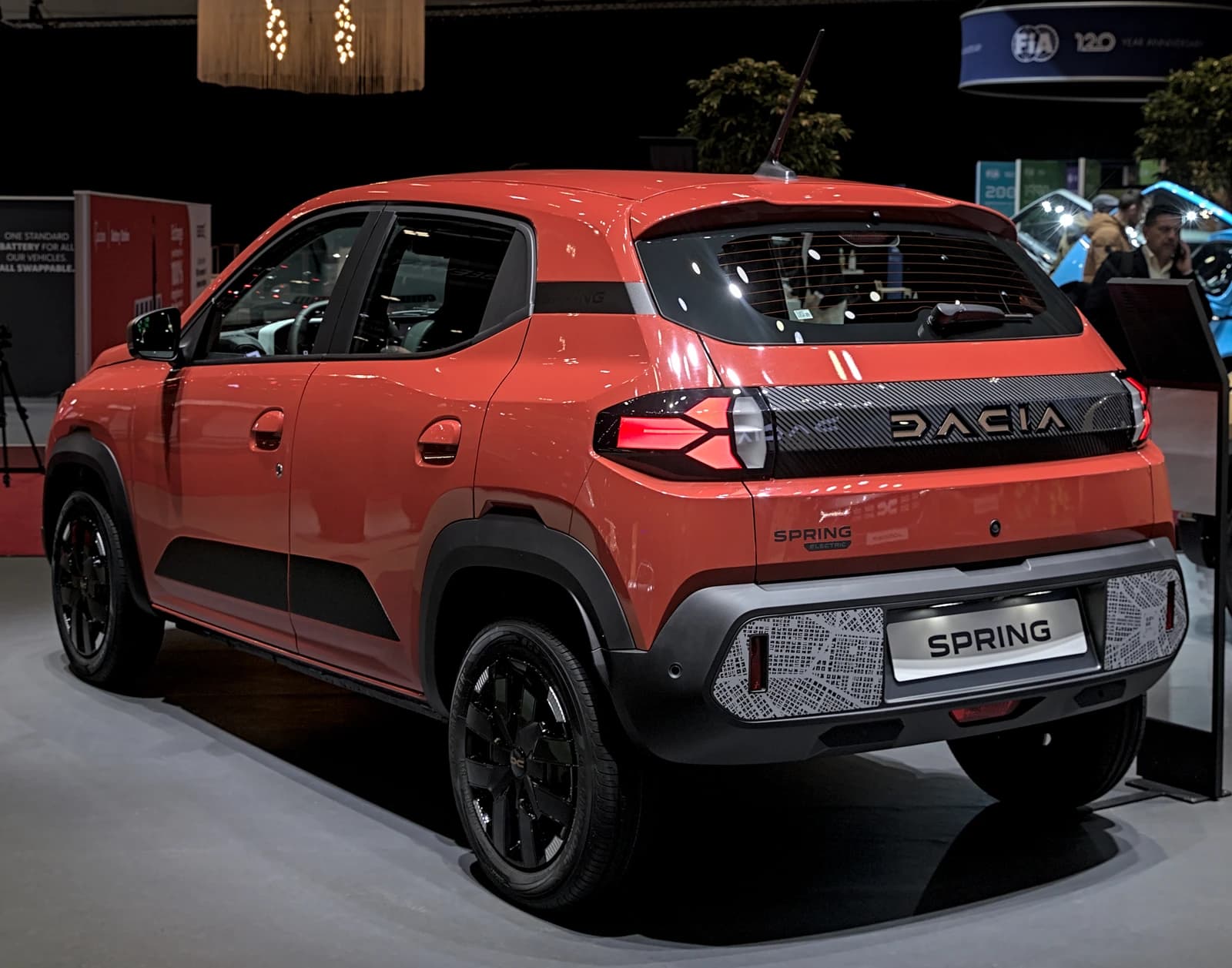
That is the warning embedded in the International Energy Agency’s latest message to Japan and Europe: if their carmakers do not move faster, they risk ceding market share abroad as Chinese brands scale aggressively in countries from Southeast Asia to Latin America and the Middle East. For investors, this is not just a trade story. It is a margin story, a capex story and ultimately a valuation story for legacy automakers that still rely on overseas expansion to offset sluggish demand in mature markets.
Sentiment IndicatorsⓘProprietary · adalytica.com · July 30, 2026
This is a snapshot — live sentiment, awareness and momentum for 130+ markets update continuously in the dashboard.Open AlphaPulse
The economics are straightforward. Emerging markets are where EV adoption can compound fastest as urbanization, lower fuel costs and improving charging networks broaden the buyer base. Whoever locks in those customers early gains a long-duration advantage in software, batteries, distribution and after-sales service. China’s manufacturers have a head start because they have already built industrial scale at home, used that capacity to push prices lower and arrived in new markets with a product lineup that can undercut rivals on cost while still improving range and features.
That is why the market is beginning to separate winners from also-rans. Chinese brands are no longer just a domestic phenomenon; they are becoming a global export machine, and the pressure is showing up across the sector. Tesla, once the premium EV benchmark, has been punished by the reality that even its own shares can swing violently when the competitive backdrop worsens. Its stock closed at $298.32 on July 29 after a sharp slide from above $460 earlier in the period tracked here, with RSI readings plunging to 9.1, a level that signals the shares are deeply stretched on a conventional technical basis. Nio and BYD, meanwhile, have each shown how brutal and volatile the EV fight has become: Nio remains below its 200-day moving average, while BYD’s U.S.-listed shares have also struggled to sustain momentum despite periodic rebounds.
The broader signal is that China’s EV ecosystem is winning on industrial policy, scale and speed, while Japan and Europe are still trying to defend legacy combustion-era franchises. That leaves incumbents with a difficult choice: invest heavily in local production, price more aggressively and accept lower near-term returns, or watch Chinese entrants build durable customer relationships in markets that may account for a growing share of global auto demand.
The foreign-exchange backdrop only sharpens the stakes. Adalytica.com trade signals on the Chinese yuan show “Extreme Fear,” underscoring how sensitive cross-border flows remain to policy, trade and geopolitical risk. Yet even with that strain, Chinese exporters continue to push outward, suggesting the competitive engine is strong enough to withstand currency and political volatility. Tesla’s own latest filing warned that trade and fiscal policy uncertainty and geopolitical conflicts could disrupt supply chains and costs, a reminder that this fight is being waged as much in policy rooms as in showrooms.
For investors, the most important implication is that the next phase of the EV trade may be less about headline unit growth and more about who owns the supply chain, battery stack and distribution channels in emerging economies. That favors the low-cost leaders, selected battery and component suppliers, and companies with local manufacturing footprints that can dodge tariffs and win regulatory goodwill. It is a warning sign for premium automakers that assumed the future of EV demand would be won on brand alone.
Our view is that the market still underestimates how fast Chinese EV makers can turn emerging markets into a structural advantage. Japan and Europe may still have technology, but China has the cost curve, the scale and increasingly the export ambition. Positioning early in the picks-and-shovels of this shift — batteries, charging infrastructure, logistics and low-cost EV platforms — is the higher-conviction way to play the next leg of the global auto cycle.
| Entity | Gains | Losses |
|---|---|---|
| Chinese EV makers | ▲Export scale | ▼Foreign rivals |
| Emerging-market buyers | ▲Lower EV prices | ▼Legacy-brand pricing power |
| Japan and Europe automakers | ▲— | ▼Market share abroad |
| Battery and EV supply-chain firms | ▲Higher demand | ▼Slow-moving incumbents |