The Chinese yuan has become the strongest appreciating emerging-market currency over the past 12 months, a move that matters because it points to a broader repricing of China risk, easier funding conditions for Asian trade, and renewed interest in Chinese assets after a long stretch of caution.
Chinese yuan outperforms EM currencies over 12 months
That shift is not just academic for currency traders. A firmer yuan can ease imported inflation, support domestic confidence and reduce the pressure on Chinese policymakers to lean on depreciation as a growth tool. For investors, it also changes the relative appeal of China-linked equities and exchange-traded funds, where currency stabilization often precedes a better tone in offshore flows.
Sentiment IndicatorsⓘProprietary · adalytica.com · July 30, 2026
This is a snapshot — live sentiment, awareness and momentum for 130+ markets update continuously in the dashboard.Open AlphaPulse
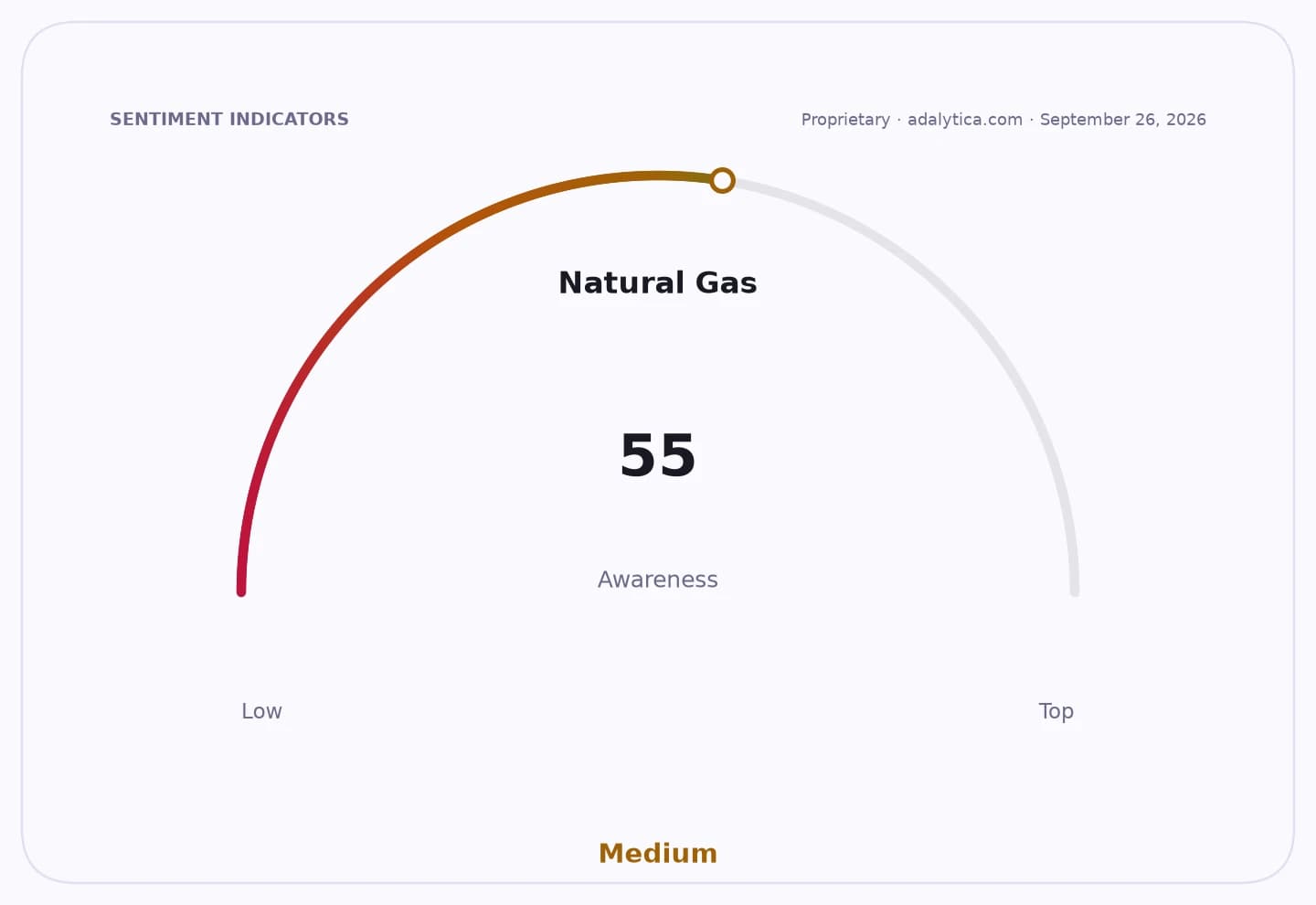
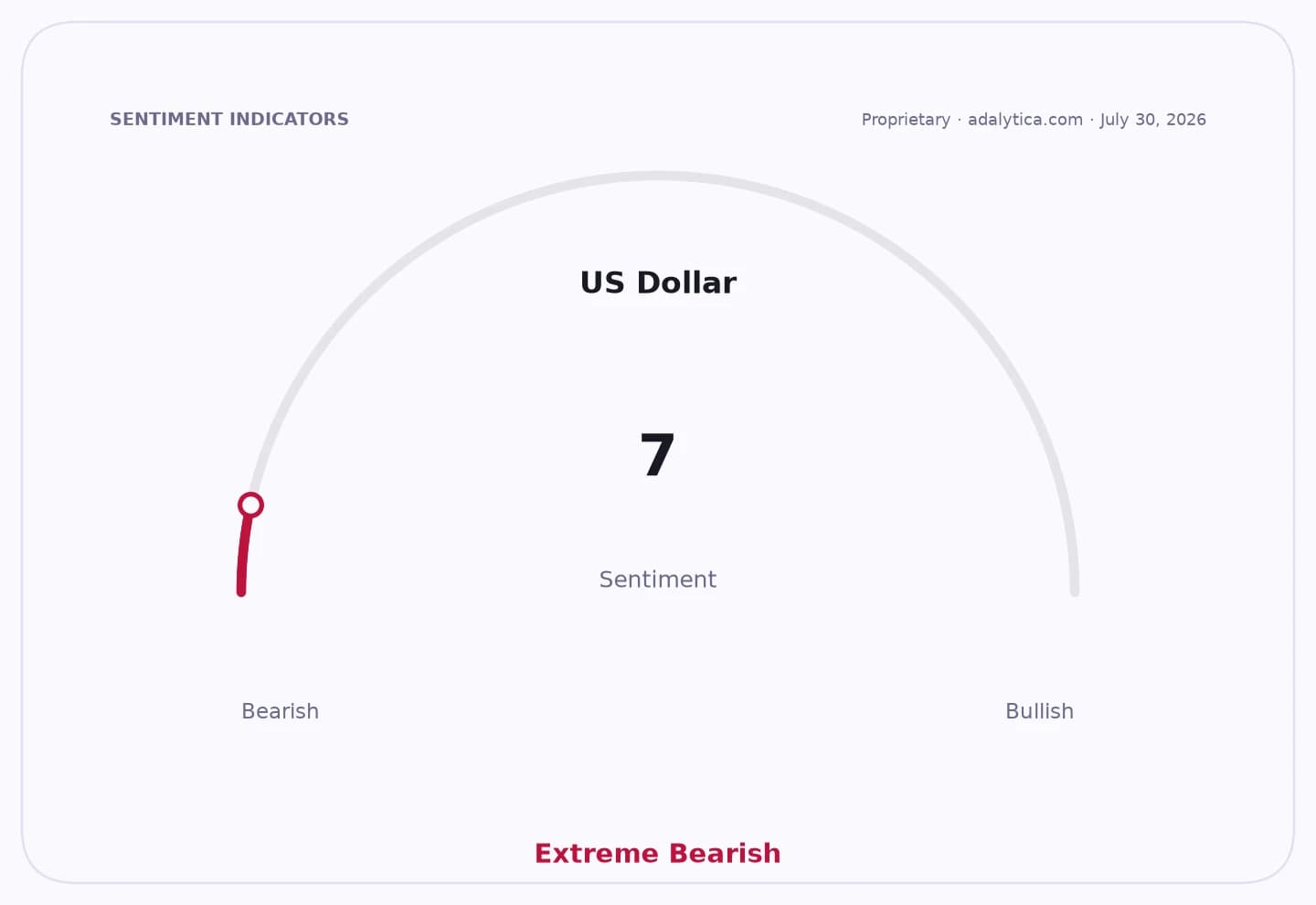
The move comes as markets have been searching for clearer direction on the dollar and on China’s growth outlook. Adalytica’s Chinese yuan trade signals show extreme fear, with sentiment at 2 and awareness at 17, underscoring how quickly positioning can swing in a market that has been heavily consensus-driven. At the same time, the US dollar’s own trade signals have deteriorated sharply, with sentiment at 7 and a 79-point drop over 30 days, suggesting the yuan’s advance is also being helped by a weaker greenback backdrop.
Chinese equities have started to reflect some of that shift. The iShares China Large-Cap ETF, FXI, rose to 36.44 on July 30 from 34.13 on July 17, with momentum indicators improving and RSI climbing to 79.3, a sign of a powerful short-term rally that may still be vulnerable to profit-taking. The fund remains close to its 200-day moving average of 36.96, which makes that area an important technical battleground for investors deciding whether this is a durable turn or just a squeeze higher.
The broader market message is that currency strength is becoming part of the China re-rating story. A stronger yuan can ease stress for companies with foreign-currency liabilities, improve sentiment around mainland consumption and make Chinese assets look less discounted to global buyers. It can also help regional peers by reducing pressure for competitive devaluation, though exporters tied to a weaker renminbi narrative may lose part of the advantage they had enjoyed.
Still, the bear case is that yuan strength may prove fragile if China’s domestic demand remains uneven or if global risk appetite reverses. The recent spike in FXI shows how quickly investors can chase a macro theme, but also how fast it can unwind if earnings, policy support or trade flows disappoint. For now, the key question is whether the yuan’s 12-month outperformance marks a genuine inflection in capital flows — or only a pause in a longer cycle of China skepticism.
| Entity | Gains | Losses |
|---|---|---|
| Chinese yuan | ▲Capital inflows | ▼Dollar strength |
| Chinese equities / FXI | ▲Better sentiment | ▼Short sellers |
| Chinese importers | ▲Lower import costs | ▼Exporters |
| EM currency complex | ▲Less USD pressure | ▼Weakest peers |