The market’s pullback from crowded AI winners is creating a powerful second-order trade: the exchanges, market data and trading platforms that sit behind the action are starting to look like the cleaner way to own volatility, and investors are paying attention.
CME, Cboe, ICE Gain on AI Rotation
That matters because money is rotating, not leaving equities. When traders trim exposure to the AI complex, they still need places to hedge, rebalance and express views, and that usually means more activity across futures, options, cash equities and market-data subscriptions. The result is a favorable setup for exchange operators and electronic trading venues such as CME Group, Cboe Global Markets, Intercontinental Exchange, Nasdaq, Marex Group and Tradeweb Markets.
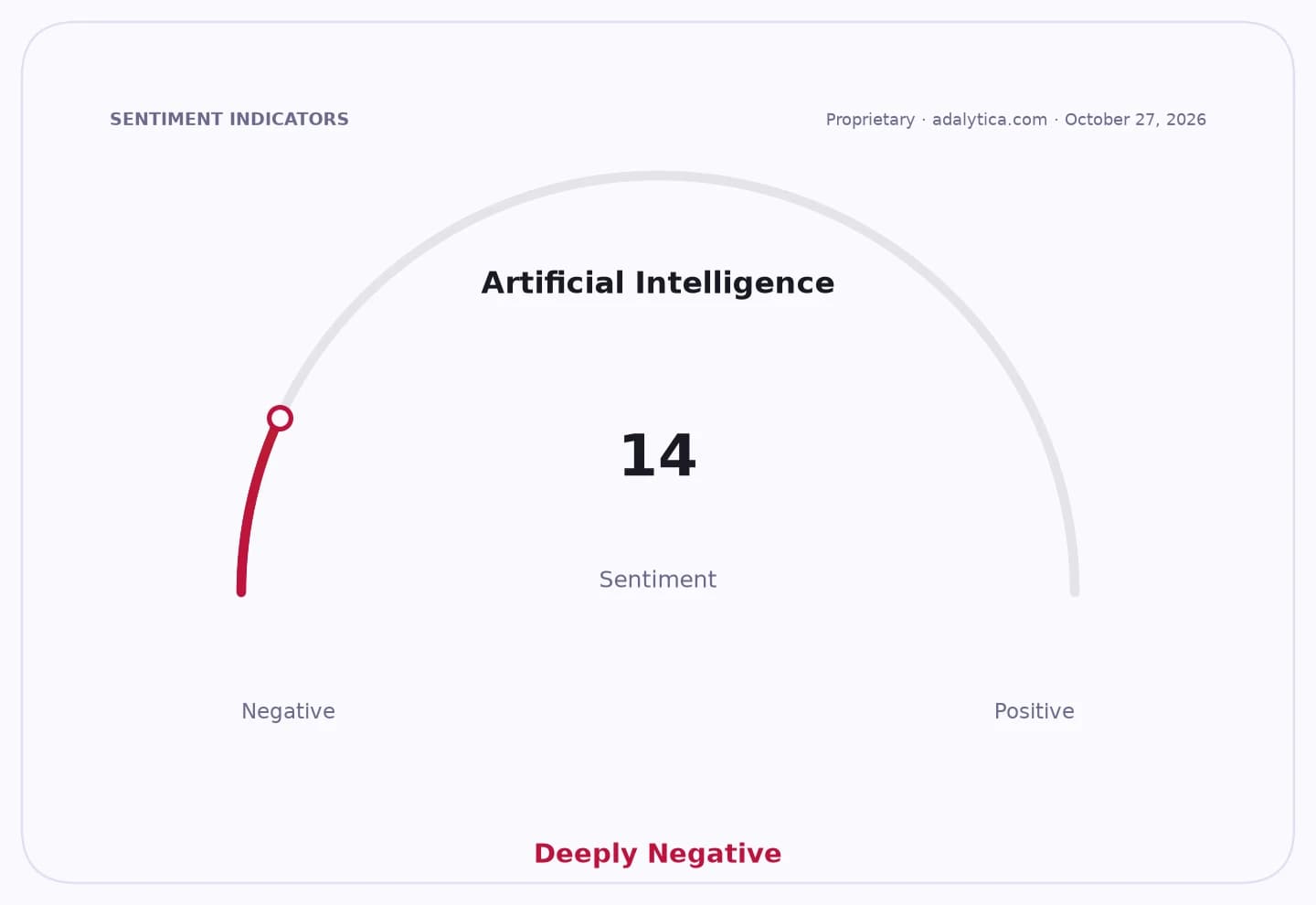
Sentiment Indicators
The shift is visible in the tape. The S&P 500 has recovered to 772.31, but its conventional technical indicators still show a market that is not in a clean trend, with the RSI at 48.6 and the MACD only just turning positive. The Nasdaq 100 has bounced to 725.61, yet its MACD remains negative, underscoring a market that is repairing rather than roaring. The Russell 2000 has climbed to 281.29, well above its 200-day moving average of 277.49, as investors broaden out beyond the largest growth names.
That broadening is exactly the kind of backdrop that tends to benefit the “plumbing” of markets. More two-way trading, more portfolio rebalancing and more demand for hedging usually translate into stronger volumes and better engagement for exchanges and electronic brokers. Tradeweb, for example, is levered to fixed-income and rates turnover, while Cboe and CME can capture greater derivatives activity as investors hedge tech exposure and reposition around macro uncertainty. ICE and Nasdaq also stand to benefit from data, listings and transaction services if this rotation becomes more durable.
What makes the opportunity more interesting is that AI itself is no longer being treated as a simple buy-everything theme. Adalytica’s AI sentiment gauge is in “Extreme Fear” at 4, down from 100 just days earlier, while NVIDIA’s sentiment remains positive but has slipped from recent peaks. That kind of reversal often pushes capital from the most crowded megacap names into the infrastructure and market-structure beneficiaries that get paid when positioning changes.
For investors, that creates a more asymmetric way to play the next phase of the AI trade. If AI leaders stabilize, exchange operators still benefit from elevated activity and hedging. If the rotation deepens, turnover, volatility and cross-asset trading should support their earnings even more. In other words, these are not just fallback names — they are the toll roads on the road out of consensus.
The market may keep arguing over whether AI is over-owned or simply pausing, but the investable point is clearer: in a choppier tape, the winners are often the firms that collect fees every time money moves. I believe CME, Cboe, ICE, Nasdaq and, for higher-beta exposure, Tradeweb and Marex deserve a place on the shortlist now, before this rotation becomes the consensus trade.
| Entity | Gains | Losses |
|---|---|---|
| CME, Cboe, ICE, Nasdaq | ▲Higher hedging activity | ▼Crowded AI longs |
| Tradeweb, Marex | ▲More trading volumes | ▼One-way momentum trades |
| Broader market participants | ▲Better diversification | ▼Concentrated megacap exposure |
| NVIDIA and AI leaders | ▲Stabilization if rotation fades | ▼Capital outflows now |