Coffee prices are extending their slide as fresh supply from top growers and a stronger flow of beans into exchange warehouses keep pressure on both robusta and arabica futures.
Coffee futures fall on Vietnam supply and Brazil exports
Robusta on ICE in London fell for an 11th straight session on Monday, dropping 0.9% to $2,854 a metric ton after briefly touching a three-year low of $2,825. Arabica in New York eased 0.3% to 267.75 cents a pound for March 2027 delivery, while the nearby December 2026 contract slipped to 274.35 cents.
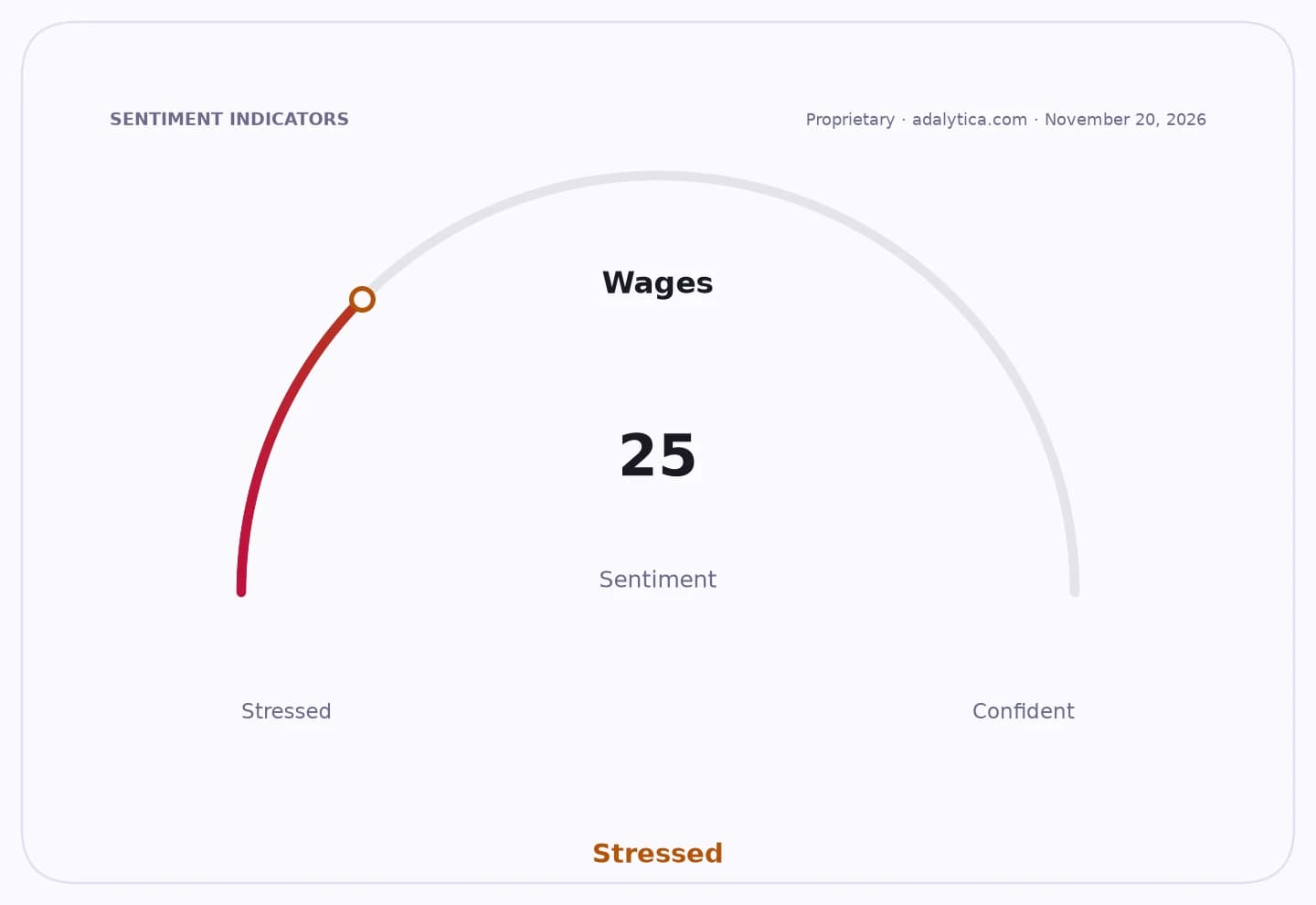
Sentiment Indicators
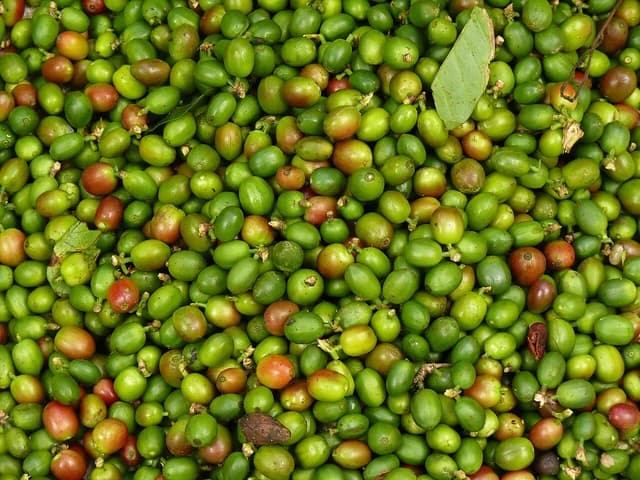
The key driver is supply. Vietnam, the world’s biggest robusta producer, is in harvest with expectations for a record crop, even if fresh beans are reaching the market more slowly than usual. Spot prices in Vietnam are also falling, while local farmers face higher picking costs, increasing the incentive to sell into a softer market.
Indonesia is adding to the bearish tone after recent rains improved soil moisture and coffee development following a long dry spell linked to El Niño. That eases immediate crop concerns and reinforces the view that robusta supply is improving across Southeast Asia.
In arabica, Brazil remains the main price cap. A weaker real, which fell to a 1.75-year low, encourages exporters to sell more coffee because dollar revenues translate into more local currency. Brazil’s coffee moving into ICE warehouses has also surged, with beans awaiting grading hitting 251,230 bags late last week, the highest in 3.75 years, before easing to 246,182 bags early this week.
Inventory trends have offered only limited support. ICE-monitored arabica stocks rose to a four-month high of 268,614 bags, while robusta inventories had climbed sharply since early October before easing to 5,791 lots on Monday. Lower stocks can cushion declines, but not enough to offset the flood of new supply.
For investors, the move matters because coffee is a key input for roasters, beverage makers and packaged-food companies, and falling beans prices can eventually ease margin pressure across the sector. Starbucks, Keurig Dr Pepper and J.M. Smucker all have exposure to coffee costs, while producers and exporters in Vietnam and Brazil are likely to feel the squeeze if prices keep sliding.
The next catalyst is whether the Vietnamese harvest accelerates enough to deepen the robusta downturn and whether Brazil’s export flow keeps rebuilding ICE inventories into December.
| Entity | Gains | Losses |
|---|---|---|
| Roasters and beverage makers | ▲Lower input costs | ▼Near-term price volatility |
| Coffee exporters in Vietnam and Brazil | ▲Higher sales volume | ▼Softer dollar returns per bag |
| Coffee farmers | ▲None | ▼Lower farmgate prices, higher picking costs |
| Shorts in coffee futures | ▲Momentum in falling prices | ▼Rebound risk if supply slows |