Nestlé said it will pay above international benchmark prices for more Mexican coffee in 2026-2027, a move that could tighten sourcing competition just as global coffee prices are softening on a stronger supply outlook.
Nestlé to pay premium for Mexican coffee in 2026-2027
The strategy matters because it shifts Nestlé’s procurement from a purely commodity-driven exercise toward a more defensive, relationship-based supply chain at a moment when weather, harvest timing and export flows are moving prices lower. By pledging to buy more green coffee from Mexican farmers and to reference London robusta and New York arabica futures while paying a premium, the company is signaling it wants secure origin supply even if that means absorbing higher input costs.
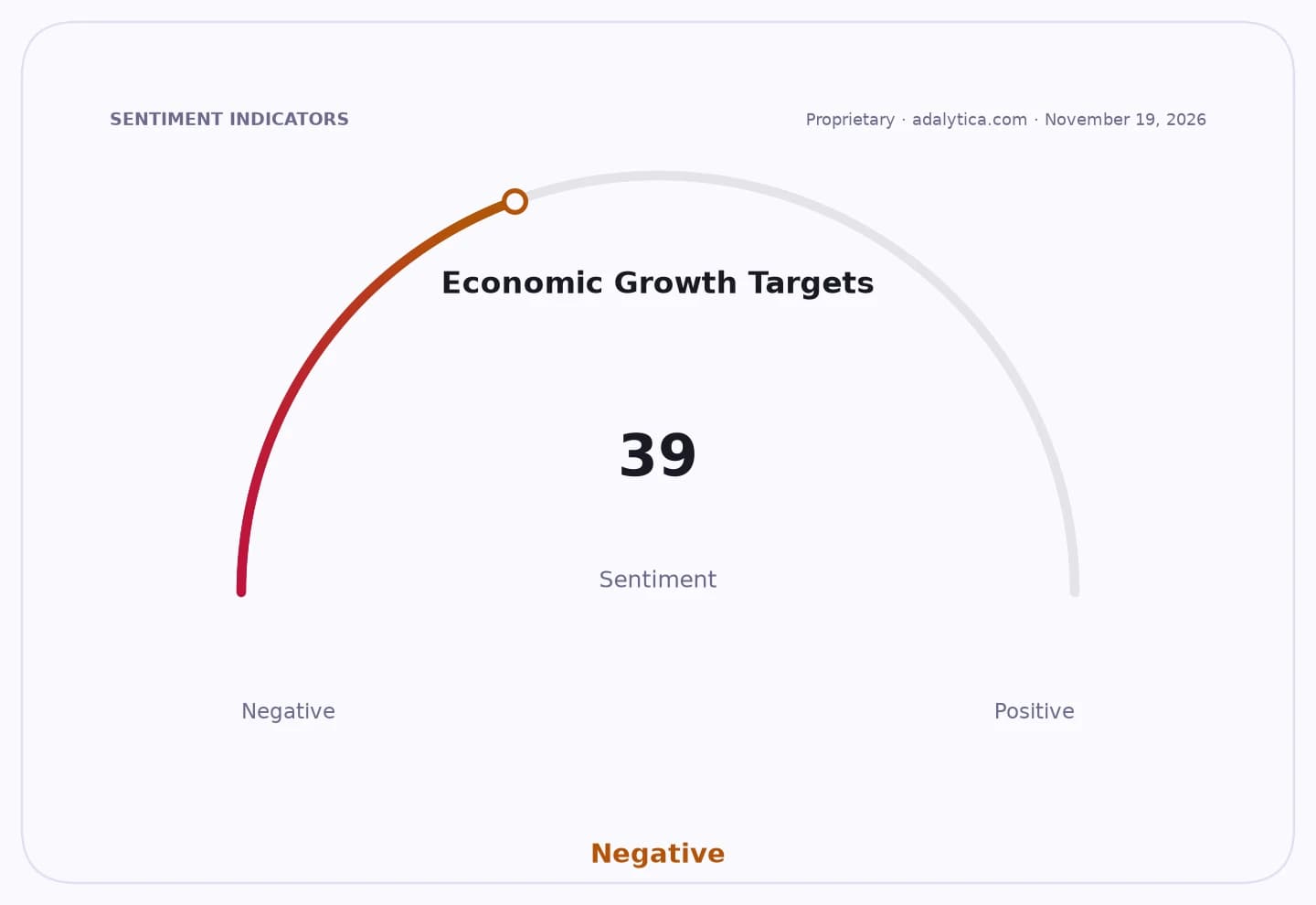
Sentiment Indicators
For Mexico’s coffee growers, especially in Chiapas, Veracruz, Oaxaca, Puebla and Guerrero, the announcement could offer a floor under farmgate revenues at a time when international prices are under pressure. Nestlé did not disclose the size of the premium or the per-kilo purchase price, so the economic impact still hinges on execution. But the direction is clear: the company is trying to lock in ethically sourced supply and preserve volumes in a market where producers are vulnerable to price swings and climate stress.
That is the real investment narrative here. When a global consumer giant is willing to pay up for origin security, it reinforces the value of traceable supply chains, agroforestry and climate-resilient farming systems. Nestlé has been building that model through its Nescafé program since 2010, using training, technical assistance, fertilizer support and seed distribution to raise productivity. In other words, this is not just a coffee purchase plan — it is a long-dated bet on supply resilience in an industry exposed to drought, crop disease and volatile weather patterns.
The backdrop also helps explain the timing. Coffee futures have come under pressure as robusta supply improves, especially with Vietnam’s harvest season adding volume. But that easing may prove temporary if El Niño-related weather disruptions hit next year’s crop cycle. For investors, that creates a classic two-layer trade: near-term commodity weakness versus medium-term supply risk. Companies that own resilient sourcing networks, rather than only price exposure, are better positioned if coffee markets turn tighter again.
Nestlé shareholders should view the move as a margin-management decision rather than a simple cost increase. Paying premiums in Mexico may pressure procurement economics in the short run, but it can reduce supply disruption, support brand positioning around sustainability, and protect volumes in a category where consistent quality matters more than spot-price arbitrage. The bigger implication is for rivals and packaged-food peers: as climate volatility rises, the cheapest bean is not always the best bean.
For investors, the opportunity sits less in chasing commodity direction and more in backing the companies and supply chains built to outlast it. If Nestlé can secure more Mexican coffee at scale, the winners are the farmers, the sustainability-linked sourcing model and the consumer brands with pricing power. The losers are spot-market suppliers, and any coffee buyer that still treats origin security as optional.
| Entity | Gains | Losses |
|---|---|---|
| Nestlé | ▲More secure supply | ▼Higher input costs |
| Mexican coffee farmers | ▲Better farmgate pricing | ▼Less exposed to spot weakness |
| Coffee spot sellers | ▲Near-term volume demand | ▼Weaker bargaining power |
| Packaged-food rivals | ▲None | ▼Greater pressure to pay premiums |