A Brazilian worker on the minimum wage can now buy about 39 kilograms of beef chuck, nearly 23 kilograms less than in 2007, underscoring how rising meat prices and stagnant household purchasing power are squeezing domestic consumption even as the country posts record output and exports.
Brazil Beef Prices Outpace Minimum Wage
The gap matters because it shows a quiet but powerful shift in one of the world’s biggest protein markets: Brazil is producing more beef than ever, but more of it is leaving the country, and less is staying on Brazilian tables. That combination is changing demand patterns for retailers, slaughterhouses and feed suppliers, while pushing consumers toward cheaper proteins such as chicken and pork.
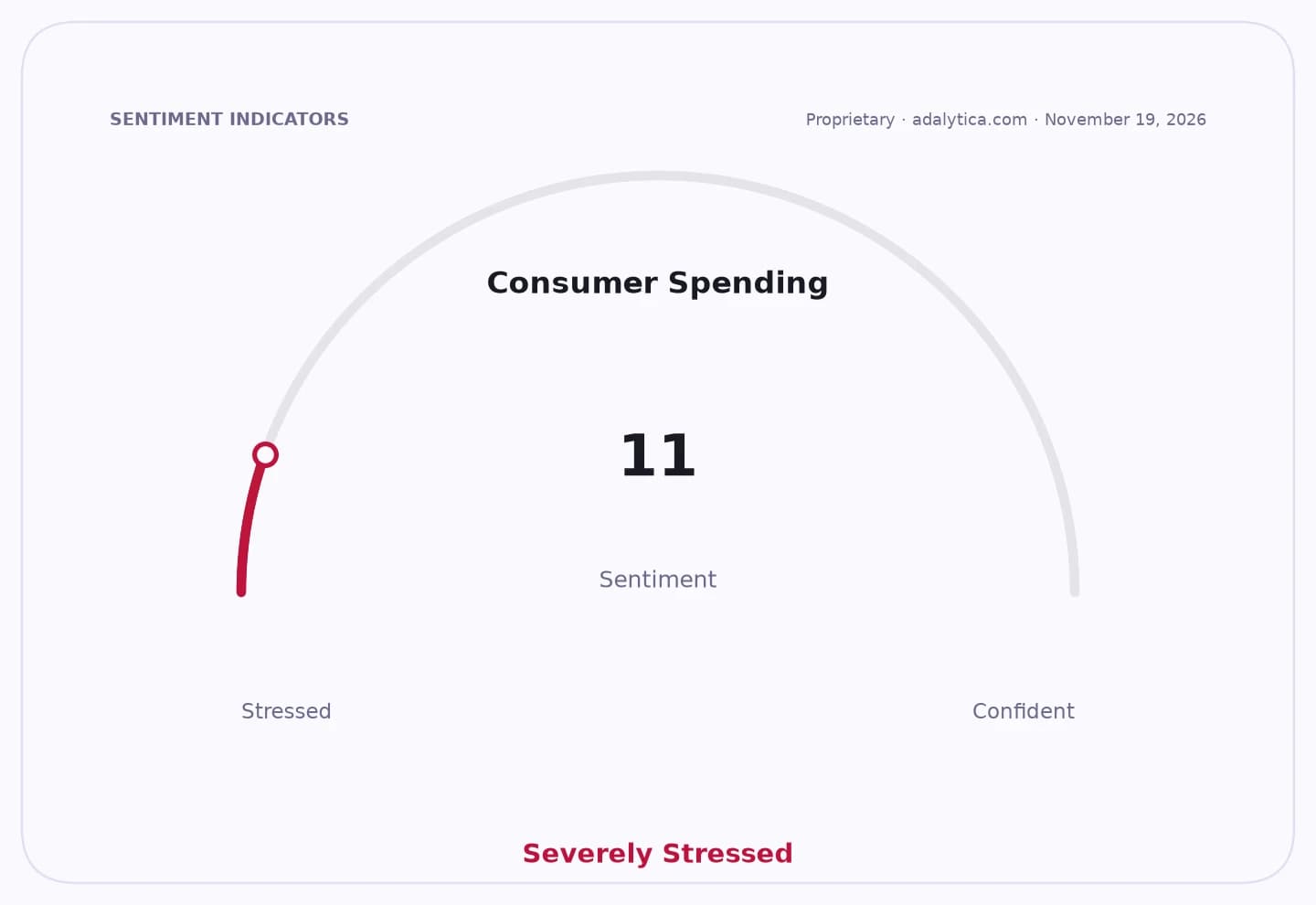
Sentiment Indicators
The decline in affordability is not just a household story. Agrifatto says the minimum wage now buys about 39 kilograms of acém, one of the cheaper beef cuts, versus almost 62 kilograms 19 years ago. The worst point in the series came in 2021, when the same wage bought only 33.8 kilograms, before a recovery to 45 kilograms in 2024 and a fresh drop this year.
At the same time, Brazil has become the world’s largest beef producer, turning out a record 11.1 million tons in 2025 and overtaking the United States for the first time in six decades. But domestic availability fell 0.5% as exports surged almost 20%, according to Agrifatto, with the share of production staying at home slipping to 61% from a historical 70%.
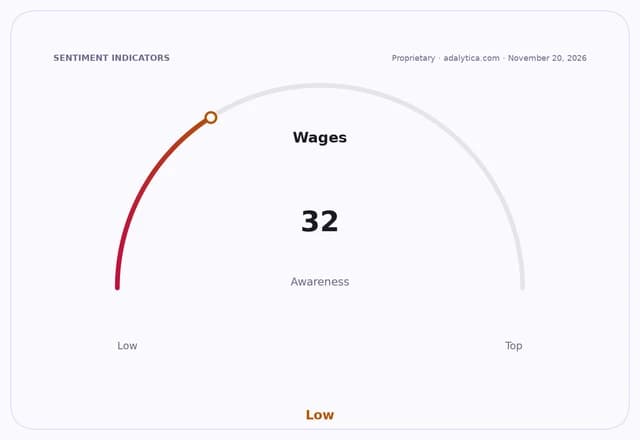
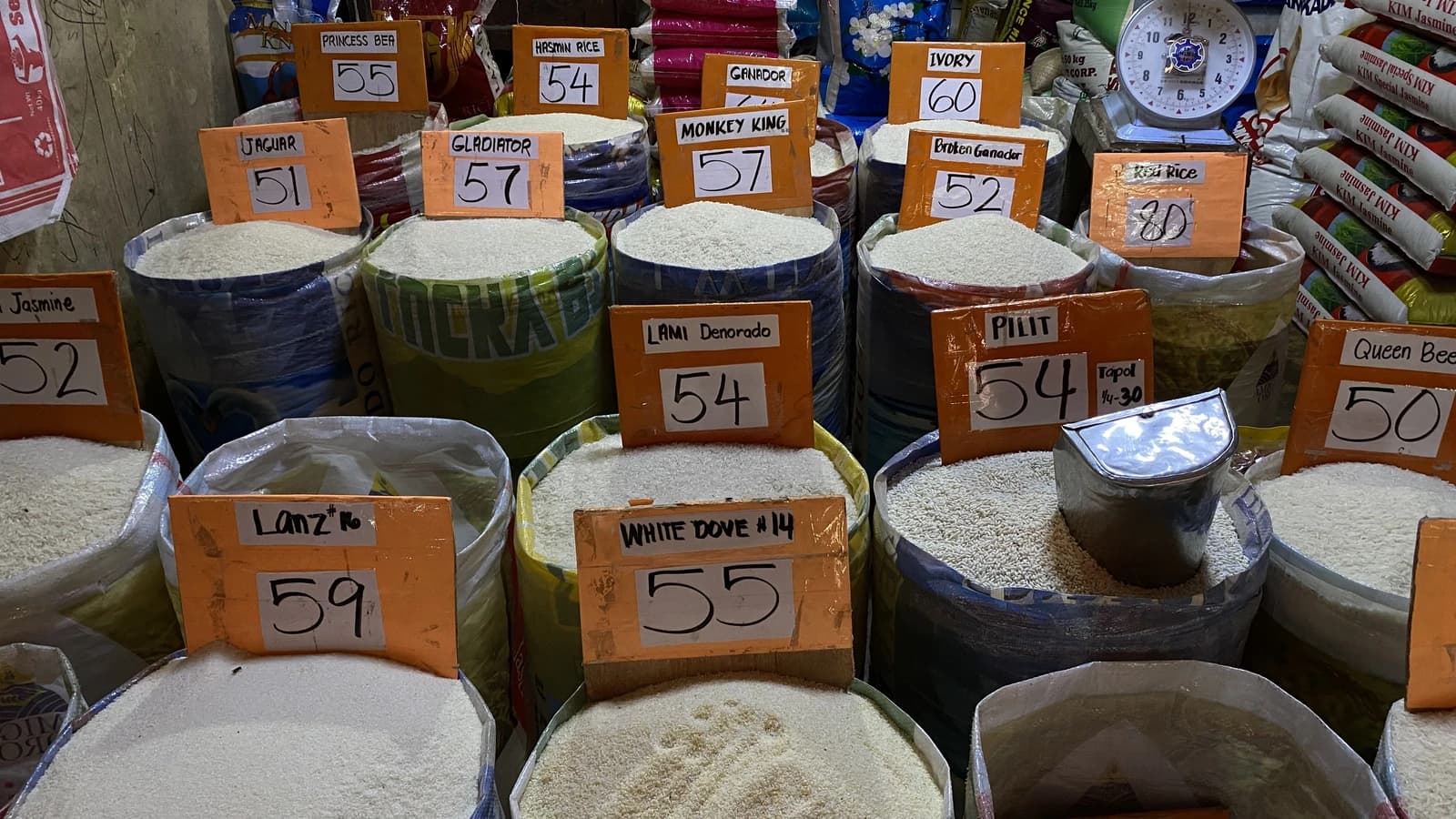
That tighter local supply is amplifying a broader affordability crunch. Rabobank says per-capita beef consumption has fallen to about 32 kilograms in 2025 from a record 43 kilograms in 2006, while the inflation squeeze is limiting how much more supermarkets can pass on to shoppers. Economists describe it as “silent inflation”: official inflation may be around 4.5%, but debt, high interest rates and basic expenses leave less room in family budgets for meat.
For investors, the story is a reminder that Brazil’s beef champions are increasingly tied to export markets and global pricing, not domestic demand. Exporters are getting paid more abroad — about 22% to 23% more per tonne than in the local market, according to Rabobank analyst Wagner Yanaguizawa — but that also raises exposure to sudden trade disruptions, such as China’s quota limits and the European Union’s abrupt sanitary suspension.
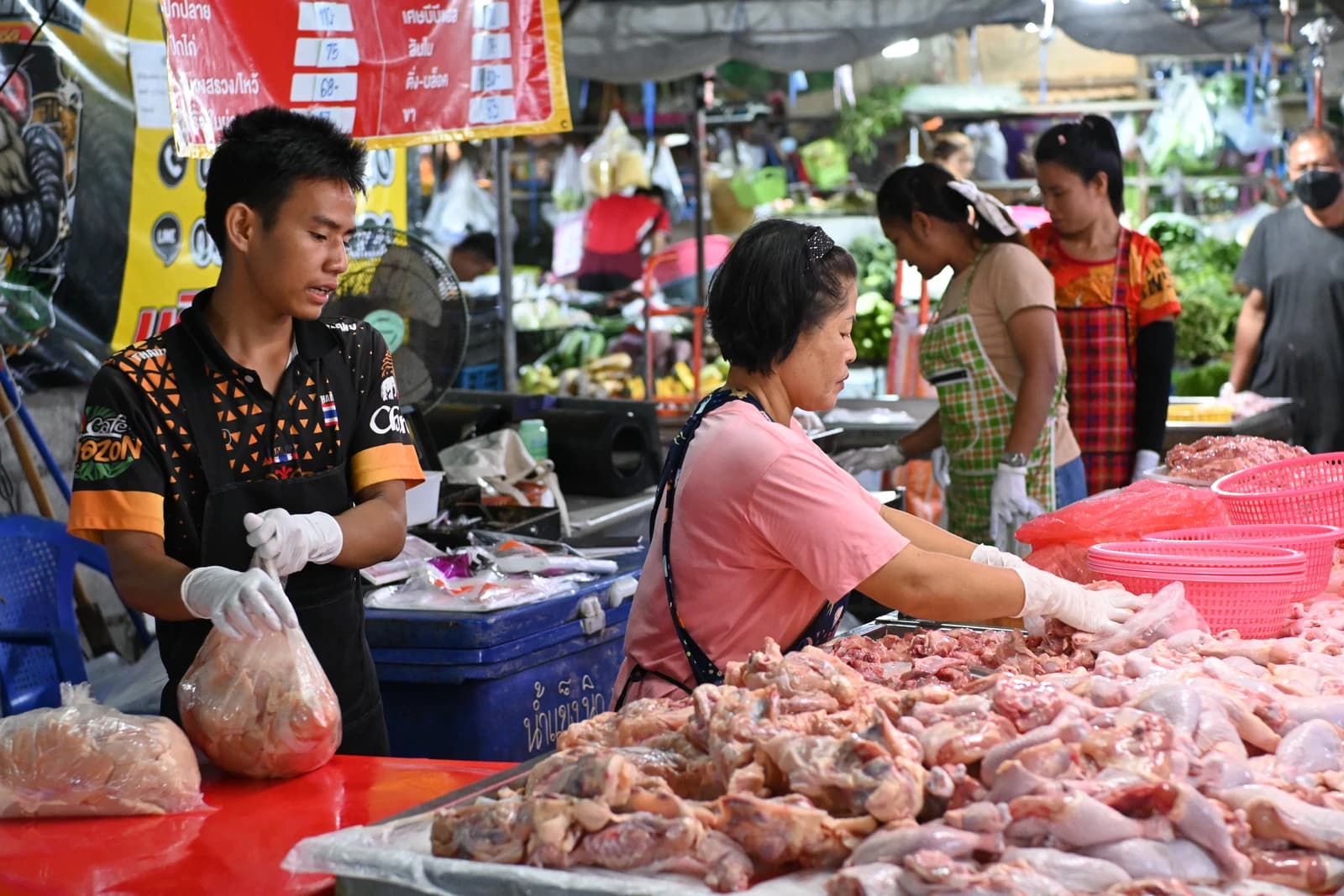
The shift has implications beyond beef. As consumers trade down to cheaper proteins, competition intensifies for chicken and pork producers, while supermarket pricing power on beef weakens. It also supports a longer-term thesis that Brazilian beef is becoming a more premium, occasional purchase for lower- and middle-income families rather than a staple.
The near-term risk is that even if production eases from its 2025 peak, a larger share of output may still flow overseas, keeping domestic supplies tight. For households, that means beef stays expensive; for exporters and listed meat processors, it means the market narrative increasingly hinges on foreign demand, trade policy and the next move in Brazil’s supply cycle.
| Entity | Gains | Losses |
|---|---|---|
| Brazilian beef exporters | ▲Higher overseas prices | ▼More trade-policy risk |
| Brazilian households | ▲Cheaper protein alternatives | ▼Beef affordability |
| Chicken and pork producers | ▲Trading-down demand | ▼Beef market share pressure |
| Retail beef sellers | ▲Less price-sensitive premium demand | ▼Volume from lower-income buyers |