Uruguay’s inflation pressure is increasingly coming from homegrown prices, with non-tradable goods and services rising 6.09% in the 12 months through October and moving above the Central Bank of Uruguay’s tolerance ceiling.
Uruguay inflation rises on domestic prices
That matters because it suggests the inflation fight is becoming less about imported price shocks and more about domestic costs, a mix that is harder for policymakers to offset with exchange-rate moves or softer global commodity prices. The central bank kept its policy rate at 6% in its latest decision, betting that inflation and expectations remain contained enough to hold steady for now.
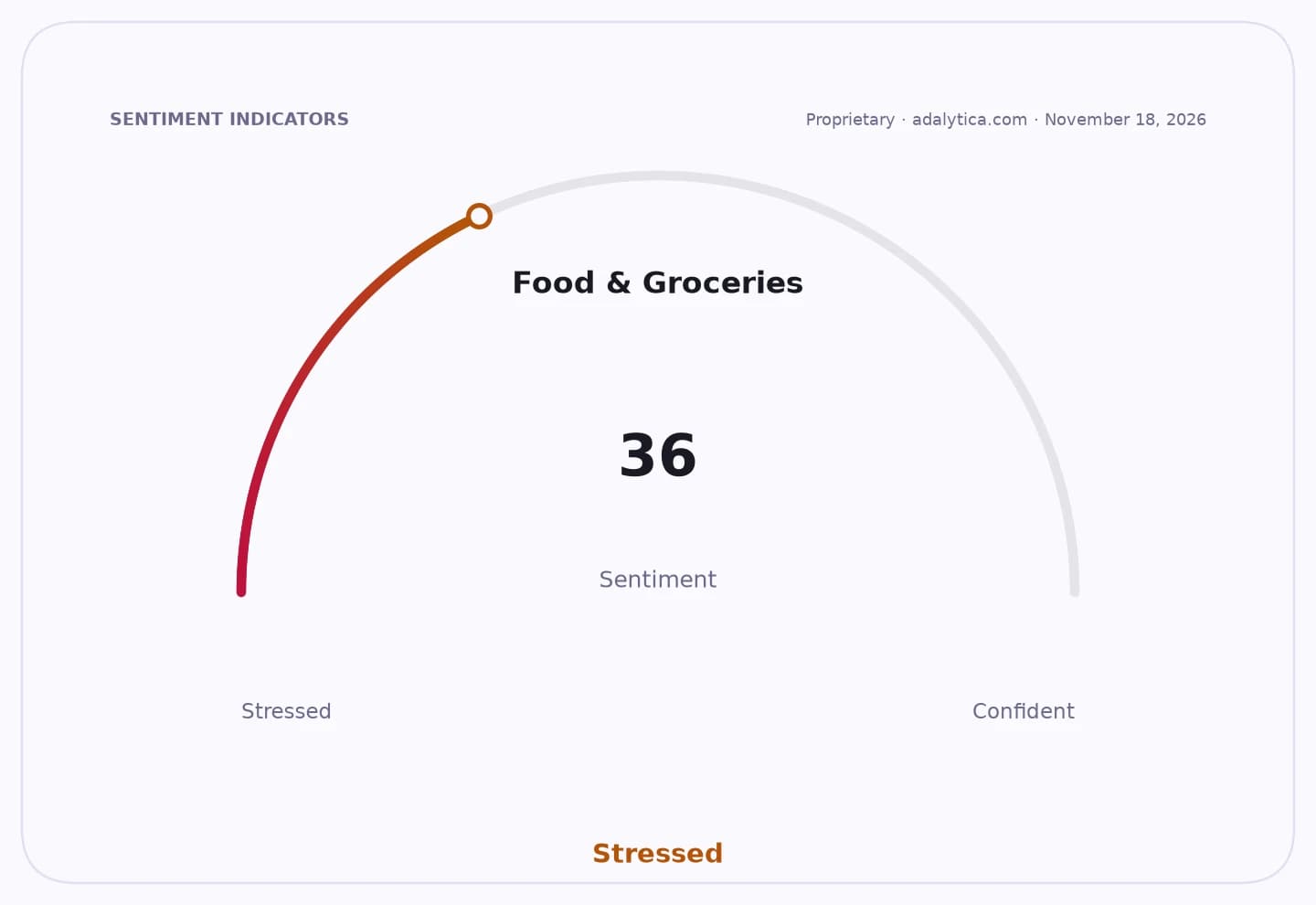
Sentiment Indicators
The latest consumer price report from the National Institute of Statistics showed headline inflation at 4.87% year on year in October, up 0.59% on the month. Prices have climbed 4.82% so far this year and are running above the 4.32% pace recorded in the 12 months through October 2025.
The split between tradables and non-tradables is the key signal for investors and policymakers. Tradable prices, which are more exposed to imported goods and currency moves, rose 3.30% over the past 12 months, while non-tradables — mostly services and domestically priced items — accelerated to 6.09%.
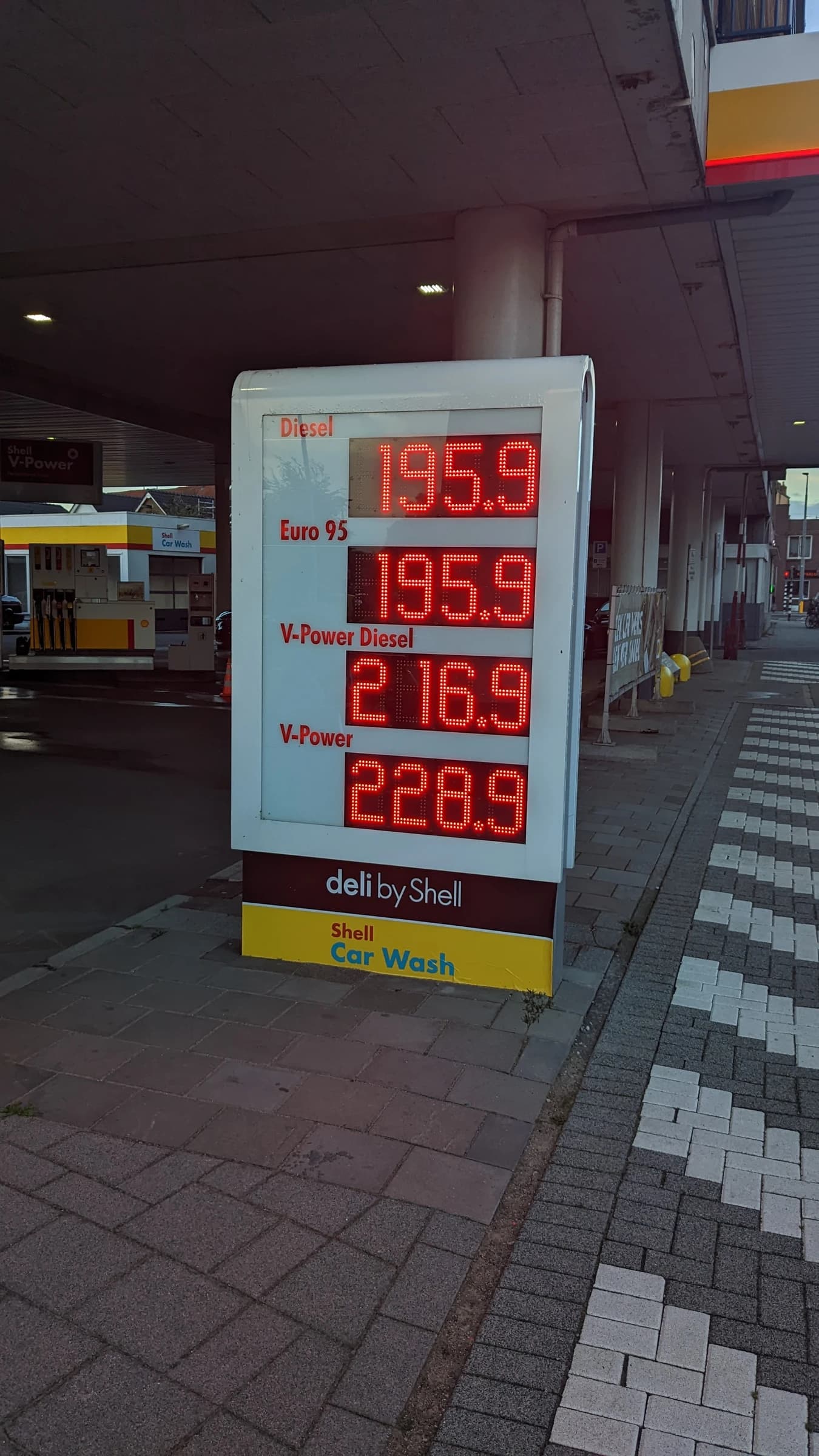
Food, fuel and clothing drove much of the monthly increase. Food and non-alcoholic beverages rose 1.05% in October, transport climbed 0.94%, and restaurants and accommodation services increased 0.78%. Within transport, gasoil jumped 7% and gasoline 2.01%, while passenger transport with driver rose 4.44%.
Food prices were also uneven, with meat and meat products up 1.73% in the month. Vegetables saw sharper swings, led by peppers, which surged 23.04%, pumpkin up 20.01% and onions up 16.37%, even as lettuce and zucchini fell.
Rising non-tradable inflation is important for the BCU because it points to sticky domestic price pressure that can keep core inflation elevated even if external conditions improve. The INE’s underlying inflation gauges came in at 4.57% and 4.64%, reinforcing the view that price momentum remains above the headline rate’s comfort zone.
For investors, the read-through is that Uruguay’s monetary policy is likely to stay cautious and that local consumer-sensitive sectors may face continued margin pressure if wage and service costs keep climbing. Energy-intensive businesses and transport-heavy industries are particularly exposed if fuel prices remain firm.
The next focus is whether the BCU can keep policy unchanged without allowing domestic inflation to broaden further, especially as fuel, food and services continue to do the heavy lifting on prices.
| Entity | Gains | Losses |
|---|---|---|
| Central Bank of Uruguay | ▲policy credibility if inflation eases | ▼room to cut rates |
| Consumers | ▲none | ▼purchasing power |
| Service businesses | ▲higher nominal revenues | ▼higher input and wage costs |
| Fuel importers/transport users | ▲none | ▼operating costs |