Italy’s food inflation is hitting households where it hurts most, with tomatoes up 52.6% from a year earlier and a basket of everyday vegetables posting double-digit gains as fuel and energy costs feed through the food chain.
Italy Food Inflation Hits Households
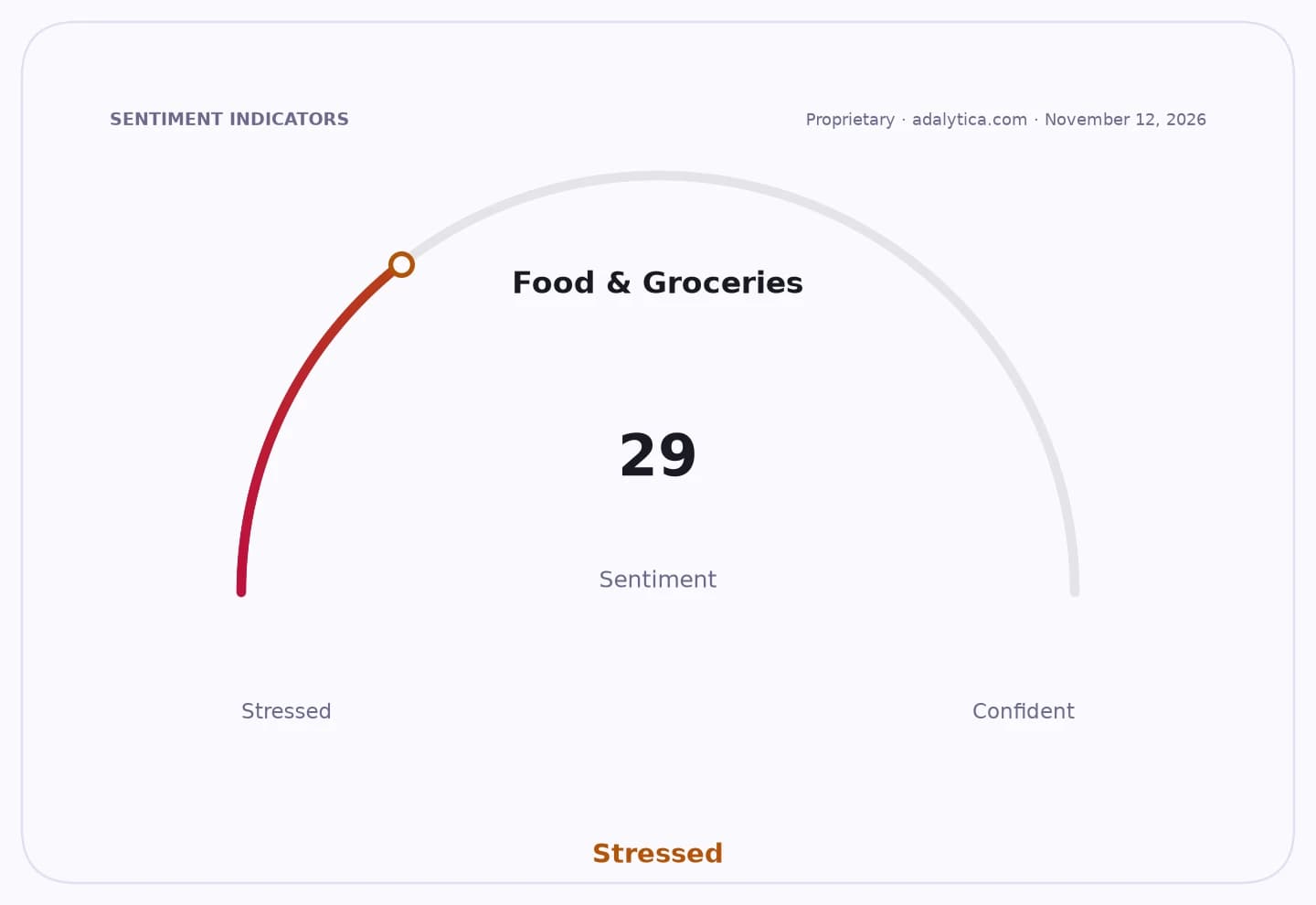
Food & Groceries
Consumer watchdog Adusbef said food and non-alcoholic beverages rose 2.7% in October, translating into an estimated 4.8 billion euro annual hit for Italian families if consumption stays unchanged. The group said the sharpest increases were concentrated in fresh produce, including strawberries up 41.3%, artichokes up 31.4%, asparagus up 19.5% and peppers up 19.1%.
Sentiment Indicators
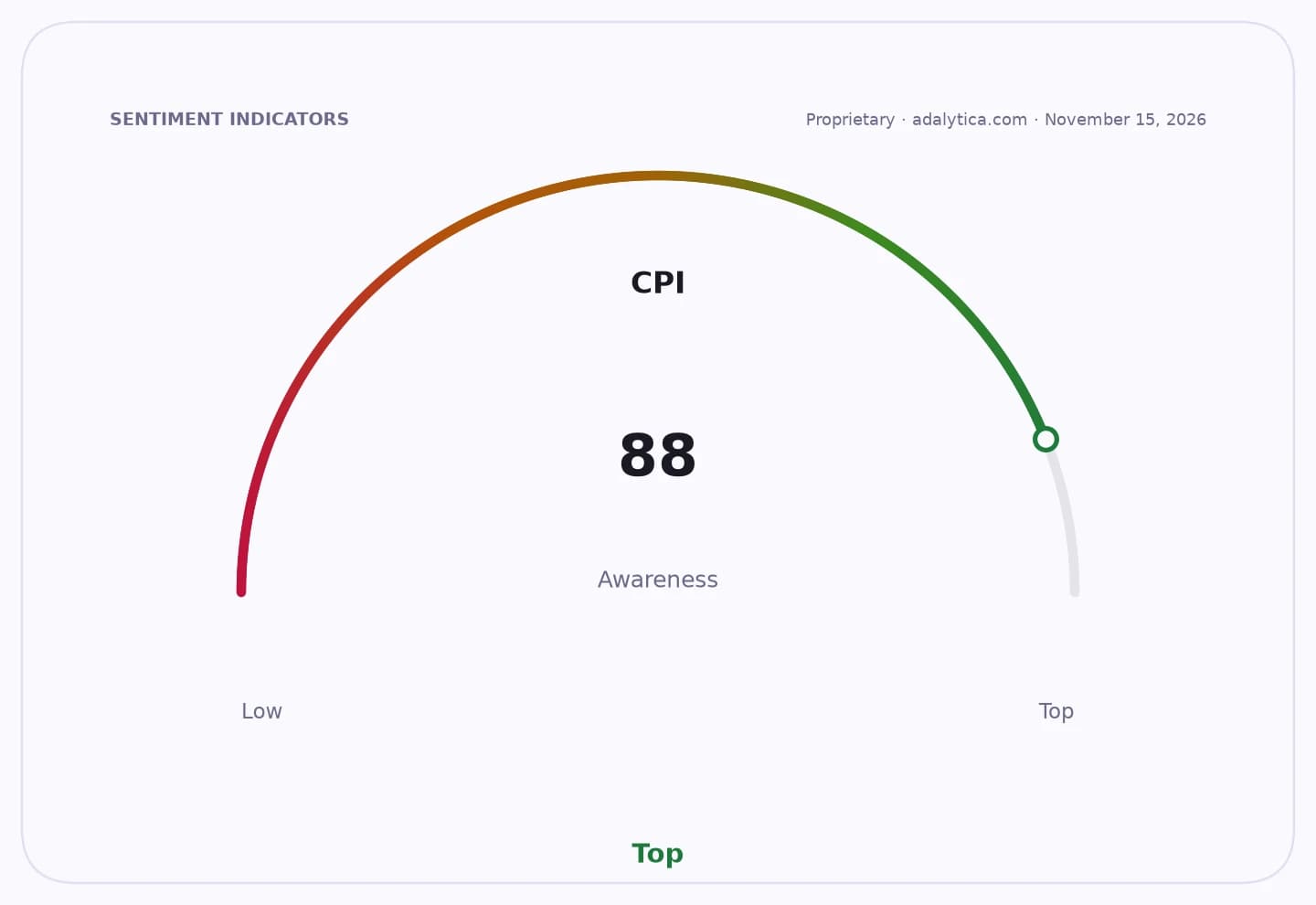
CPI
The surge matters because food is one of the most visible components of inflation and one of the hardest for households to cut. Rising bills for staples can force consumers to trade down, reduce volumes or postpone discretionary spending, which tends to hit grocery retailers, food producers and suppliers with the narrowest margins.
Adusbef said higher fuel and power costs are pushing up production expenses and then retail prices, underscoring how energy inflation can keep food prices elevated even when broader price pressures ease. Other items showed notable gains, including cauliflower and broccoli up 14.8%, salad up 13.7%, peas up 13.6%, eggplants up 12.7%, oranges up 9.5%, green beans and potatoes up 7.8%, and eggs up 7.4%.
For investors, the read-through is mixed: farmers and packaged-food companies may see some relief if pricing power holds, but supermarkets and consumer staples groups face the risk of weaker volumes as shoppers become more price-sensitive. Any persistence in food inflation could also keep pressure on policymakers in Rome to address household purchasing power and support measures for energy-intensive industries.
The next focus will be whether energy costs and agricultural supply conditions ease enough to slow grocery inflation heading into the winter, or whether fresh food prices keep driving Italy’s inflation story into year-end.
| Entity | Gains | Losses |
|---|---|---|
| Food producers with pricing power | ▲Higher selling prices | ▼Volume pressure from demand destruction |
| Supermarkets and retailers | ▲Some nominal revenue lift | ▼Margin squeeze and trade-down behavior |
| Italian households | ▲None | ▼Higher grocery bills |
| Policymakers | ▲Stronger case for intervention | ▼More pressure over cost of living |