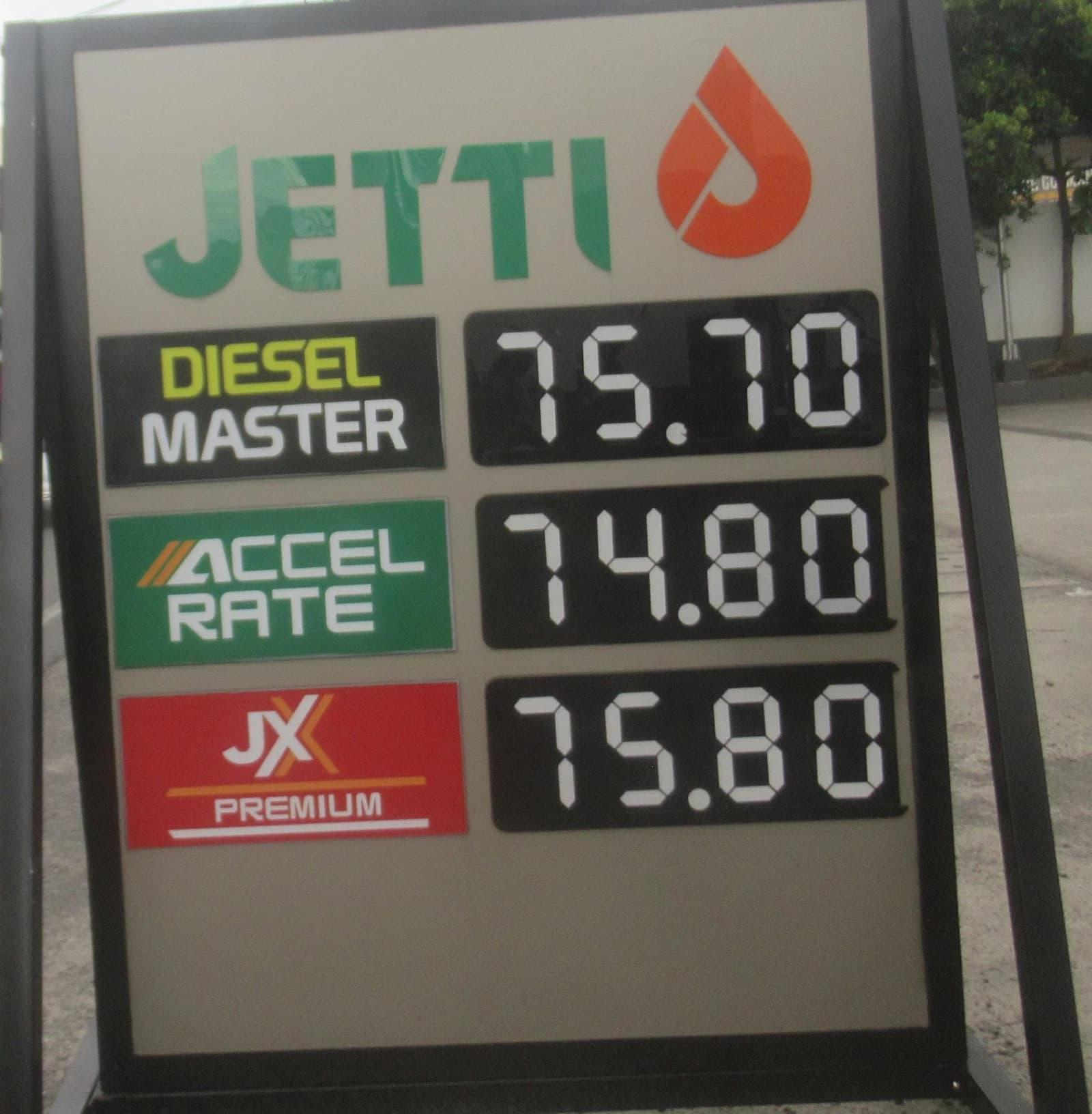
Gasoline and diesel are rising far faster than Brazil’s broader inflation basket, underscoring how quickly imported fuel costs can filter through to households and the economy once temporary tax relief starts to fade.
Brazil fuel prices rise faster than inflation
In the latest IBGE inflation reading, gasoline climbed 2.16% and diesel 7.08% in 30 days in the Porto Alegre metro area, compared with 0.36% for the overall index. The move comes as global oil prices have pushed above $115 a barrel amid a sharper conflict in Iran and Ukrainian attacks on Russian refineries, keeping international fuel benchmarks elevated. Even with Petrobras holding domestic prices and the federal government using subsidies and tax cuts to cushion the blow, pump prices are still being pulled higher by the imported portion of the market.
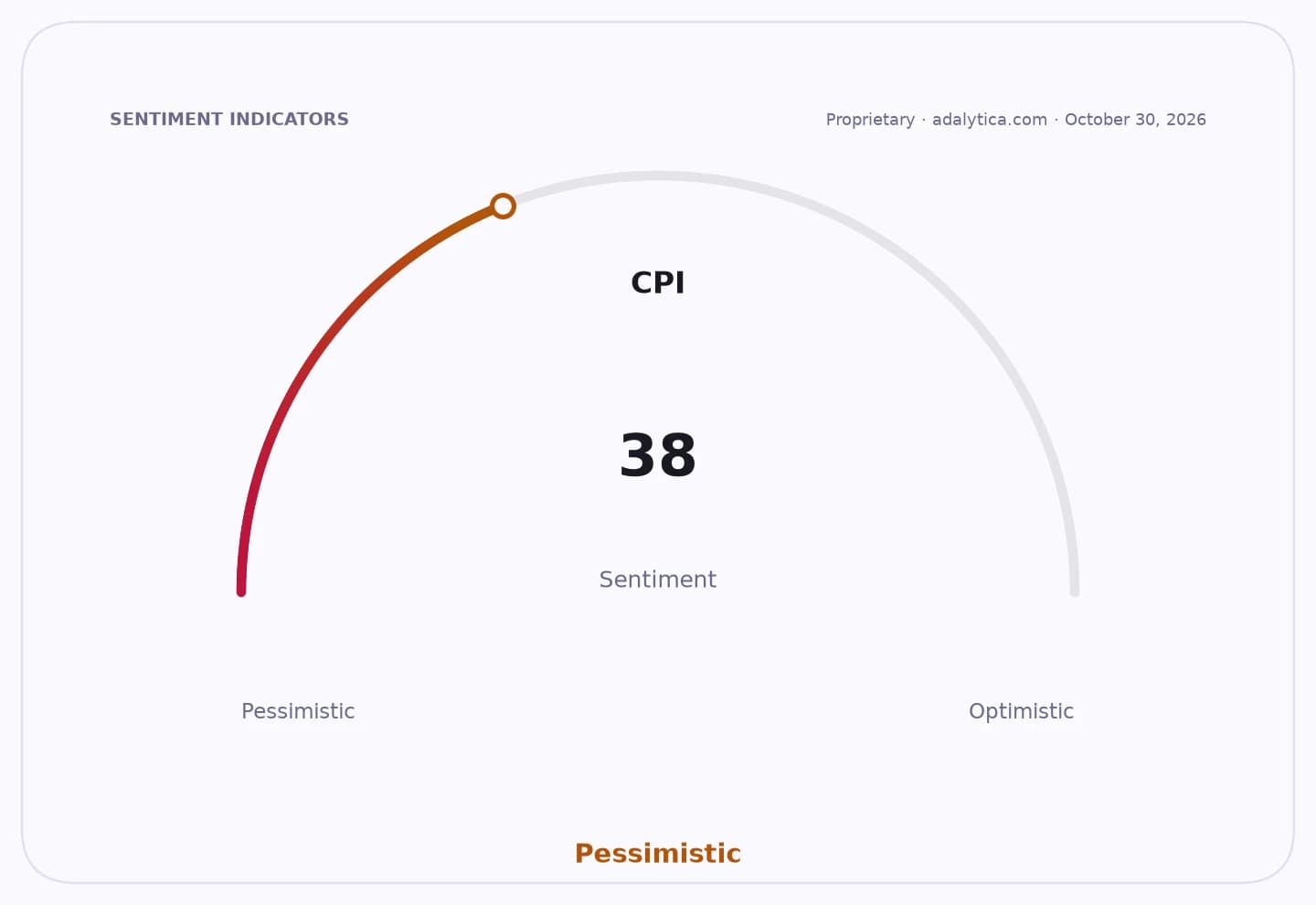
Sentiment Indicators
For policymakers, the timing is awkward. The federal tax waiver introduced before the election is only valid for 30 days, which means the post-vote path for fuel prices depends on two variables that are both outside Brasília’s full control: whether crude stays near current levels and whether the government renews the tax break. Without that support, the inflation pass-through could accelerate just as consumers are already feeling pressure from higher transport and food costs.
The economic importance is straightforward. Fuel is a key input for freight, agriculture and manufacturing, so persistent gains in gasoline and diesel tend to ripple across the economy rather than staying at the pump. That creates a dilemma for the central bank and for fiscal authorities: trying to suppress fuel inflation through taxes can ease headline readings temporarily, but it also leaves public accounts more exposed if oil remains high.
For investors, the story cuts in different directions. Higher crude prices and stronger fuel demand tend to support upstream oil producers and energy-linked assets, while refinery and transport costs rise for airlines, logistics firms and consumer-facing businesses. Brazilian inflation-sensitive assets also face a more complicated outlook if the government is forced to extend relief measures or if the pass-through into broader prices becomes harder to contain.
Technical indicators on US oil proxies reflect the same tension. USO, a U.S. oil ETF, has risen to $168.83, with its 50-day moving average at $150.09 and RSI at 77, a level that suggests the rally is extended even if the trend remains strong. The energy sector ETF XLE has also advanced to $70.02, while the oil-services fund OIH is near $411.57, indicating the market is still positioning for a sustained period of firmer energy prices.
The key issue after the election is whether Brazil is entering a new round of fuel-cost inflation or merely absorbing a geopolitical shock through subsidies. If crude stays above $115 and tax relief expires, the next inflation prints could show broader pressure building, leaving consumers, rate-setters and fiscal planners with fewer buffers than they have now.
| Entity | Gains | Losses |
|---|---|---|
| Oil producers | ▲Higher realized prices | ▼None from price move |
| Brazilian consumers | ▲Temporary tax relief | ▼Higher pump bills |
| Petrobras | ▲Domestic pricing stability | ▼Margin pressure from capped pass-through |
| Freight and transport firms | ▲None | ▼Higher operating costs |