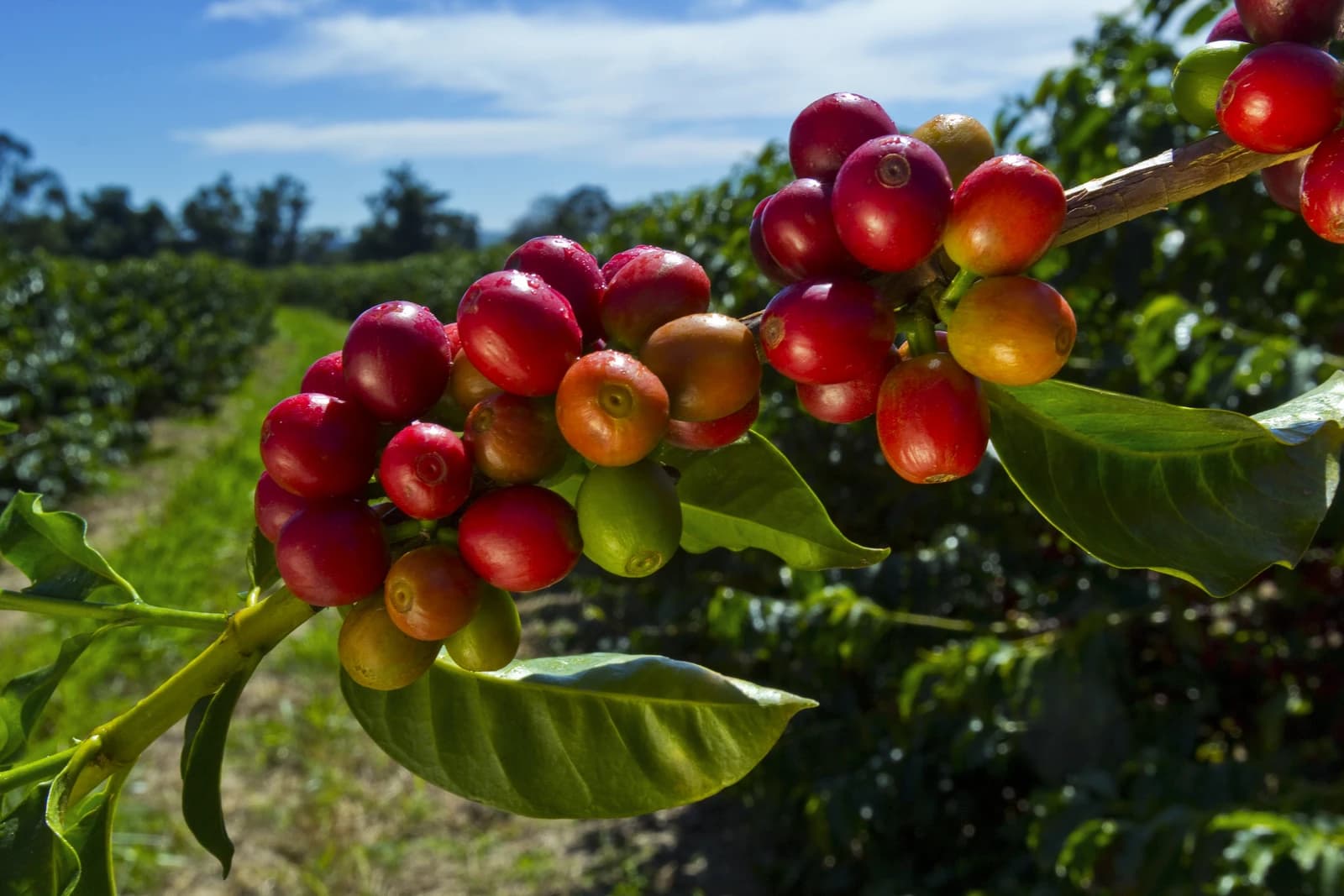
Coffee prices are firming as traders brace for Brazil’s winter weather, and that matters because the world’s biggest arabica supplier still sets the tone for global coffee inflation.
Coffee Prices Firm as Brazil Frost Risk Rises
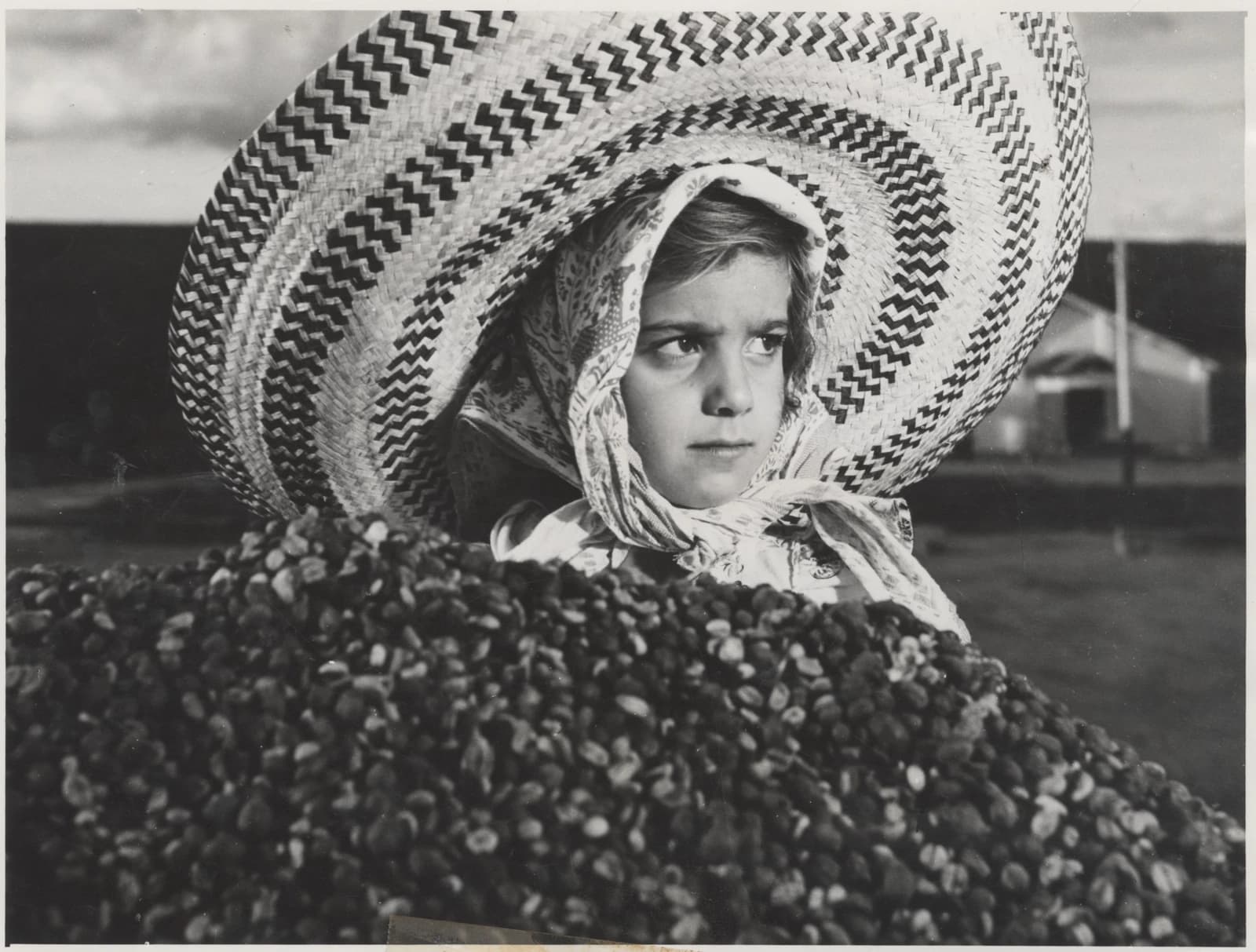
The market’s central worry is the same one that has driven repeated squeezes for decades: a cold snap in Brazil can quickly turn a supply deficit into a price spike. Somar, Brazil’s weather forecaster, said the chance of frost has risen as La Niña weakens, raising the risk that polar air reaches the country’s coffee belt in Minas Gerais and surrounding areas. That is the region that anchors arabica output, so even a short-lived weather event can reverberate through futures, roasters and retail pricing.
The stakes are already elevated. Arabica prices have climbed about 25% this year as consumption outpaces supply, while Rabobank has estimated a deficit of 6.2 million bags in the crop year starting in October. Brazil’s coffee crop is also seen falling to 41.9 million-44.7 million bags from about 55.5 million last year, according to Brazilian agriculture ministry estimates cited in the source material. In a market this tight, weather is not just a headline risk — it is the marginal driver of price discovery.
That is why the recent rebound in coffee futures and related equities matters. Coffee producers and exporters may see stronger near-term pricing power, but roasters, consumer brands and food companies face a margin squeeze unless they can pass costs through. J.M. Smucker, Kraft Foods and Starbucks are all exposed to higher green coffee costs, and history suggests those increases do not stay contained for long once the crop outlook deteriorates.
Investors should read this as a classic weather-driven commodity trade with a second-order equity opportunity. If frost fears intensify, the winners are likely to be coffee producers, merchants and trading houses with physical exposure. The losers are packaged-food and beverage names with weak pricing power, especially if arabica inventories keep tightening into the next crop cycle.
The market is also underestimating how quickly weather can interact with structural supply problems. Even without a frost event, lower output, previous hail damage and a weaker La Niña pattern leave little buffer. That makes coffee one of the more asymmetric agri trades going into Brazil’s winter: the downside for prices is limited by thin inventories, while any weather shock could force another leg higher.
For investors, the playbook is straightforward: stay long the supply chain, stay cautious on coffee users, and keep watching Brazil’s temperature maps. The next cold front may decide whether this is just another seasonal rally or the start of a much larger repricing.
| Entity | Gains | Losses |
|---|---|---|
| Coffee producers | ▲Higher selling prices | ▼None from higher arabica prices |
| Coffee roasters/brands | ▲None | ▼Higher input costs |
| Brazil weather risk | ▲Speculative long positions | ▼Short coffee bets |
| Consumers | ▲None | ▼Higher retail coffee prices |