Consumer confidence is falling as Americans grow more downbeat about jobs and business conditions, a shift that matters because consumer spending is still the backbone of the U.S. economy.
Consumer Caution Hurts Discretionary Stocks
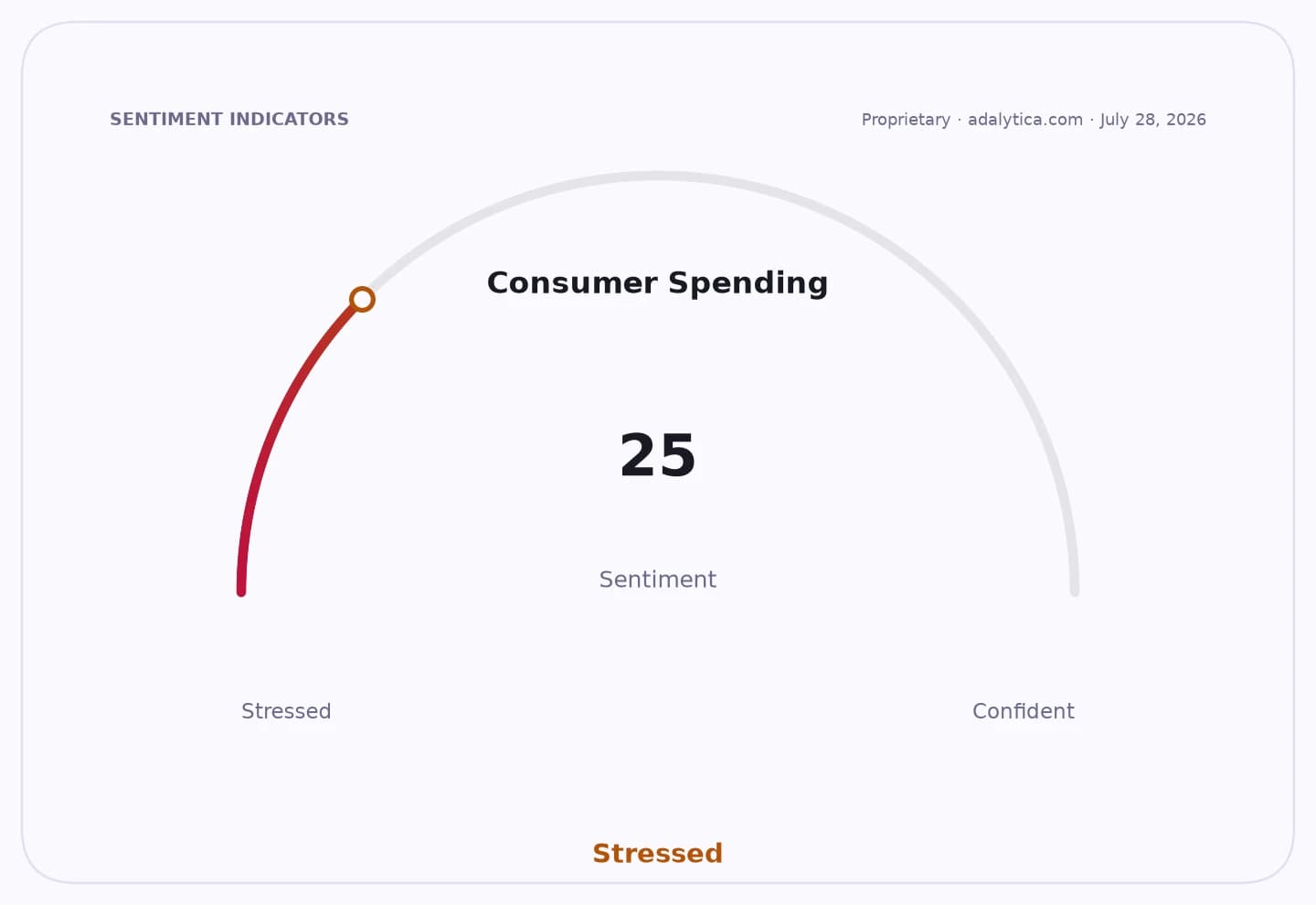
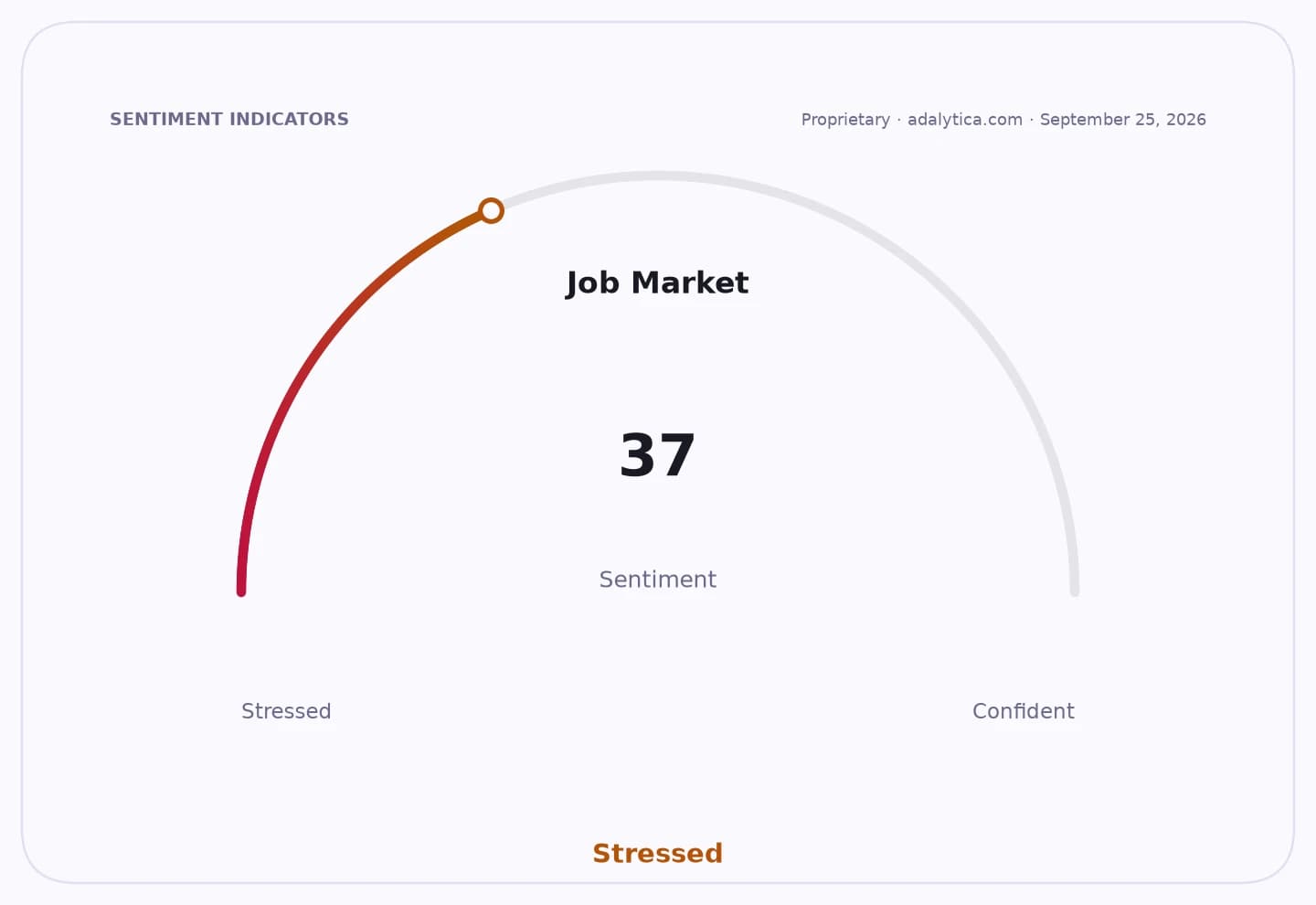
That weakens the odds of a smooth landing for growth. Households can keep the economy moving only as long as they feel secure enough to spend, and the latest readings suggest that confidence is getting more fragile even while the labor market remains historically tight. The unemployment rate held near 4.2% in June, but consumers are clearly not taking comfort from that alone. When people start worrying more about business prospects and job availability, they tend to pull back on big-ticket purchases first and discretionary spending next.
Sentiment IndicatorsⓘProprietary · adalytica.com · July 28, 2026
This is a snapshot — live sentiment, awareness and momentum for 130+ markets update continuously in the dashboard.Open AlphaPulse
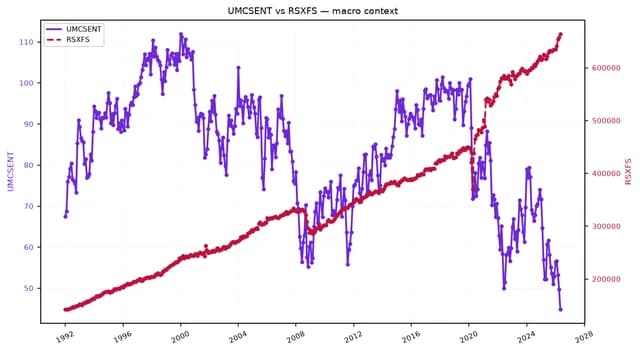
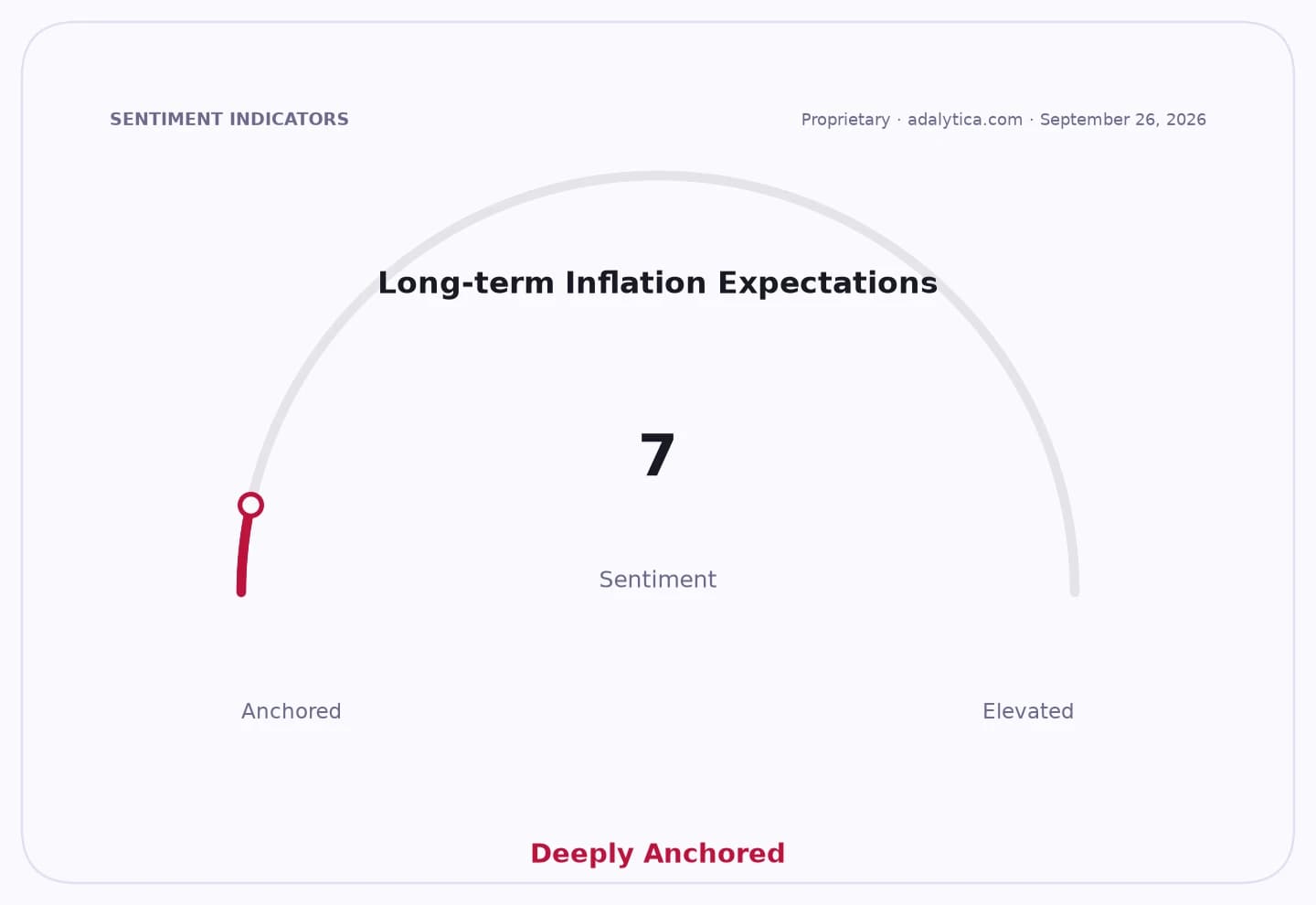
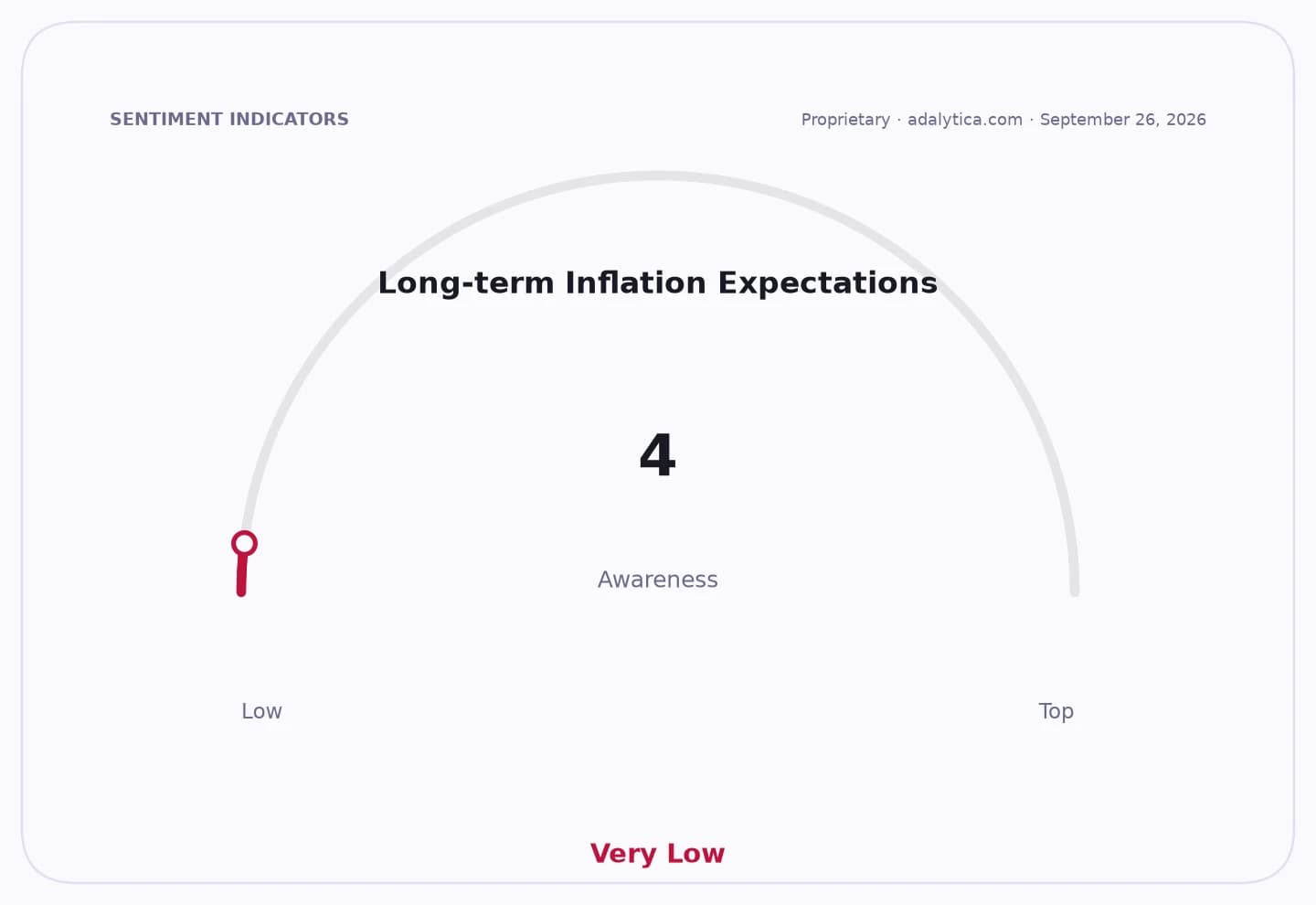
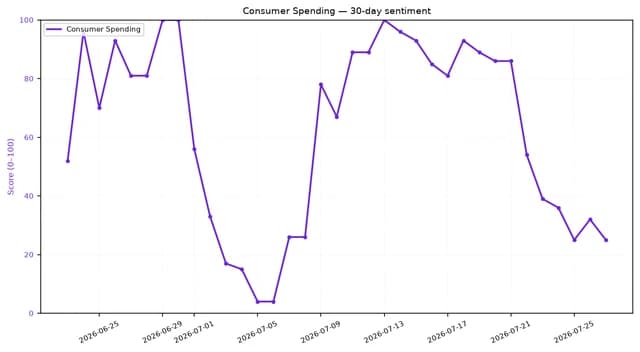
The data show just how quickly that mood has deteriorated. The University of Michigan consumer sentiment index has fallen to 44.8 in May from 53.3 in March, with a further decline projected for June. That is a sharp drop in a short period and leaves sentiment hovering near recessionary territory. At the same time, the Adalytica Consumer Spending Sentiment gauge shows fear, with awareness in extreme fear territory. In plain English, households are becoming more cautious even before the hard data turn weak.
That disconnect matters for investors because consumer-led slowdowns rarely stay confined to surveys. If Americans turn more defensive, revenue growth becomes harder to sustain for retailers, travel companies, restaurants, auto makers and other cyclical names that rely on healthy discretionary demand. It also raises the risk that corporate earnings estimates prove too optimistic. A more cautious consumer can quickly turn into lower sales volumes, fatter inventories and margin pressure.
The market is already hinting at that stress. The Consumer Discretionary Select Sector SPDR Fund, which tracks many of the companies most exposed to household spending, has been trading below both its 50-day and 200-day moving averages, a sign of deteriorating momentum by a standard technical measure. By contrast, Walmart and Target have held up better, underscoring the familiar defensive trade: when consumers get nervous, they often trade down rather than stop spending entirely. That tends to help discount retailers, warehouse clubs and value-oriented chains at the expense of higher-end discretionary brands.
For long-term investors, this is less a reason to panic than a reminder to respect the cycle. Weak sentiment does not automatically mean recession, and the labor market is still providing an important cushion. But it does argue for selectivity. Companies with pricing power, strong free cash flow and resilient demand should outperform if households keep tightening their belts. More economically sensitive names may need a stronger recovery in confidence before they can lead again.
The bigger narrative here is simple: the U.S. consumer is not breaking, but it is becoming more cautious. That usually shows up in earnings before it shows up in GDP. Investors should keep an eye on how fast spending sentiment translates into retail sales and corporate guidance, because the next leg for markets may depend less on how many people are employed than on how willing they feel to open their wallets.
| Entity | Gains | Losses |
|---|---|---|
| Walmart | ▲Trade-down demand | ▼Premium discretionary rivals |
| Target | ▲Value-focused shopping | ▼Higher-end retailers |
| Consumer staples | ▲Defensive spending | ▼Cyclical consumer names |
| Consumer discretionary stocks | ▲Lower for now | ▼Earnings and sentiment pressure |