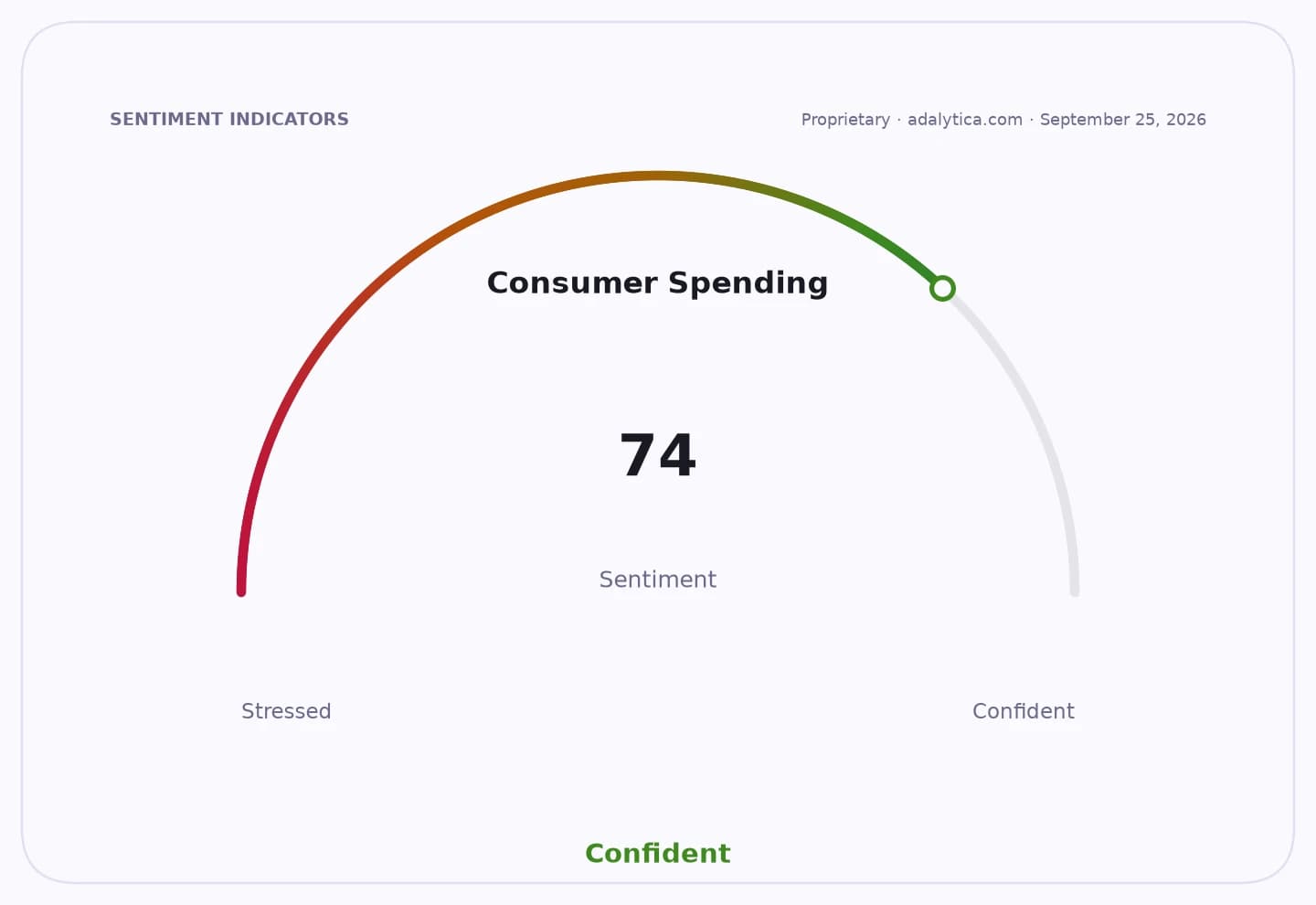
Consumers kept spending more than their disposable income grew in the latest GDP figures, a sign the U.S. economy is still being powered by households that have plenty of firepower left to keep buying. For investors, that matters because consumer demand is still the biggest engine of corporate earnings, and it helps explain why retail leaders and consumer ETFs keep drawing attention even as confidence readings swing around.
U.S. Consumer Spending Still Supports Retail Winners
The broad message is simple: America’s consumer is not tapped out. Personal consumption, tracked by the RSXFS series, climbed to an estimated 666,056 in June 2026 and is projected to rise again to 674,837.9 in July, extending a long run of spending growth that has outpaced household disposable income in GDP metrics. That gap suggests households are still willing to lean on wages, savings, credit, and wealth effects to maintain their lifestyles, which is exactly the kind of resilience that keeps the economy expanding and corporate revenue lines moving higher.
Sentiment IndicatorsⓘProprietary · adalytica.com · July 24, 2026
This is a snapshot — live sentiment, awareness and momentum for 130+ markets update continuously in the dashboard.Open AlphaPulse
That resilience matters most for companies that live and die by everyday spending. Walmart, with its scale and value positioning, is often one of the first places investors look when consumers get cautious. Costco benefits from the same behavior through membership loyalty and bulk-buying habits. Even the Consumer Discretionary Select Sector SPDR Fund, XLY, remains a clean way to capture the upside when spending holds up. Those stocks and funds do not need an exuberant consumer forever — they need a consumer that keeps showing up, and the GDP data says that is still the case.
The market data reinforces the point. XLY has been volatile, but it is still trading close to its 200-day moving average, a conventional technical indicator that suggests the sector has not broken down structurally. Walmart has had a much stronger run over the past year, reflecting the market’s preference for defensive growth and essential retailers. Costco, meanwhile, has held up relatively well as investors continue to pay for predictable traffic and pricing power. None of that happens if households suddenly stop spending.
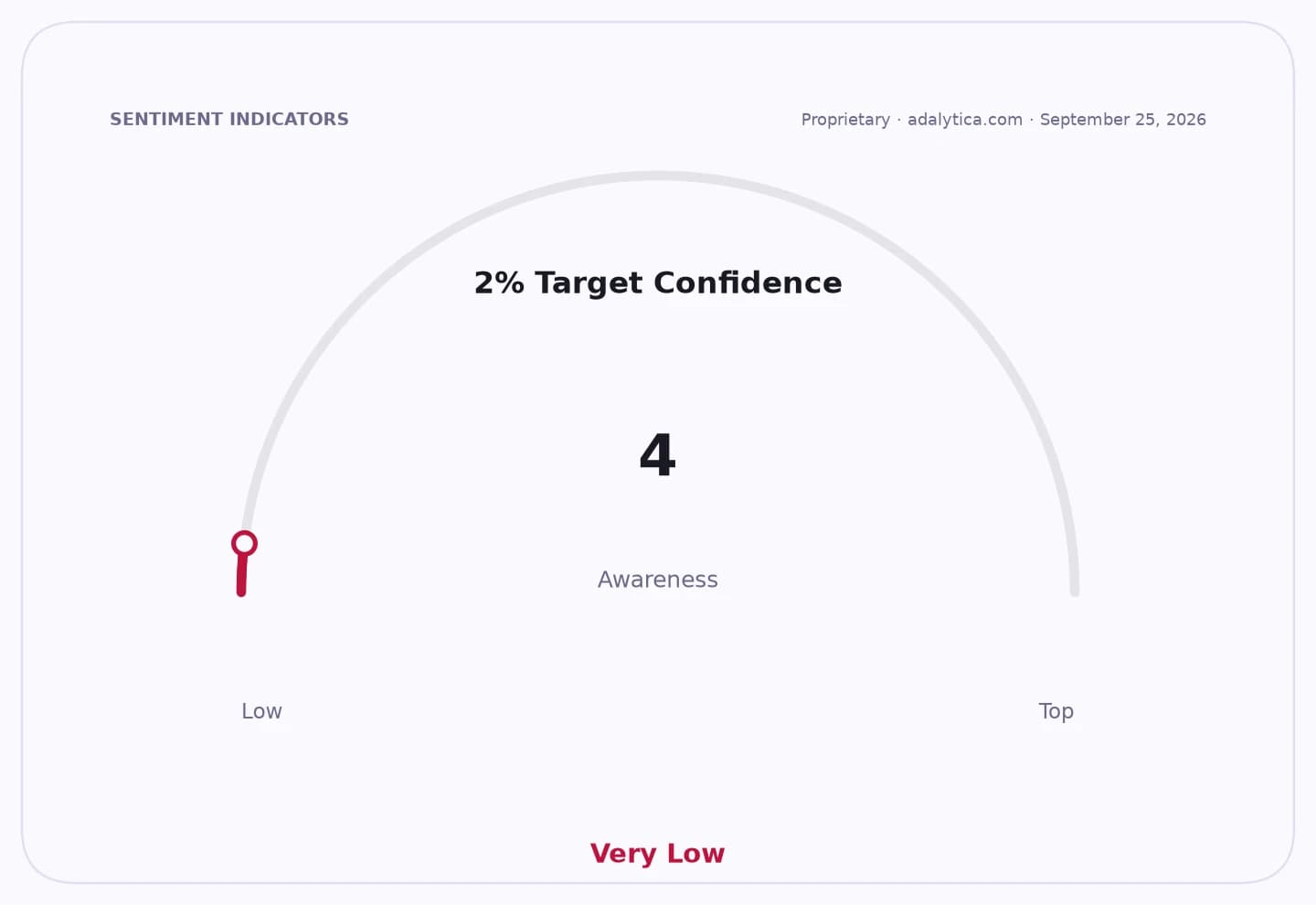
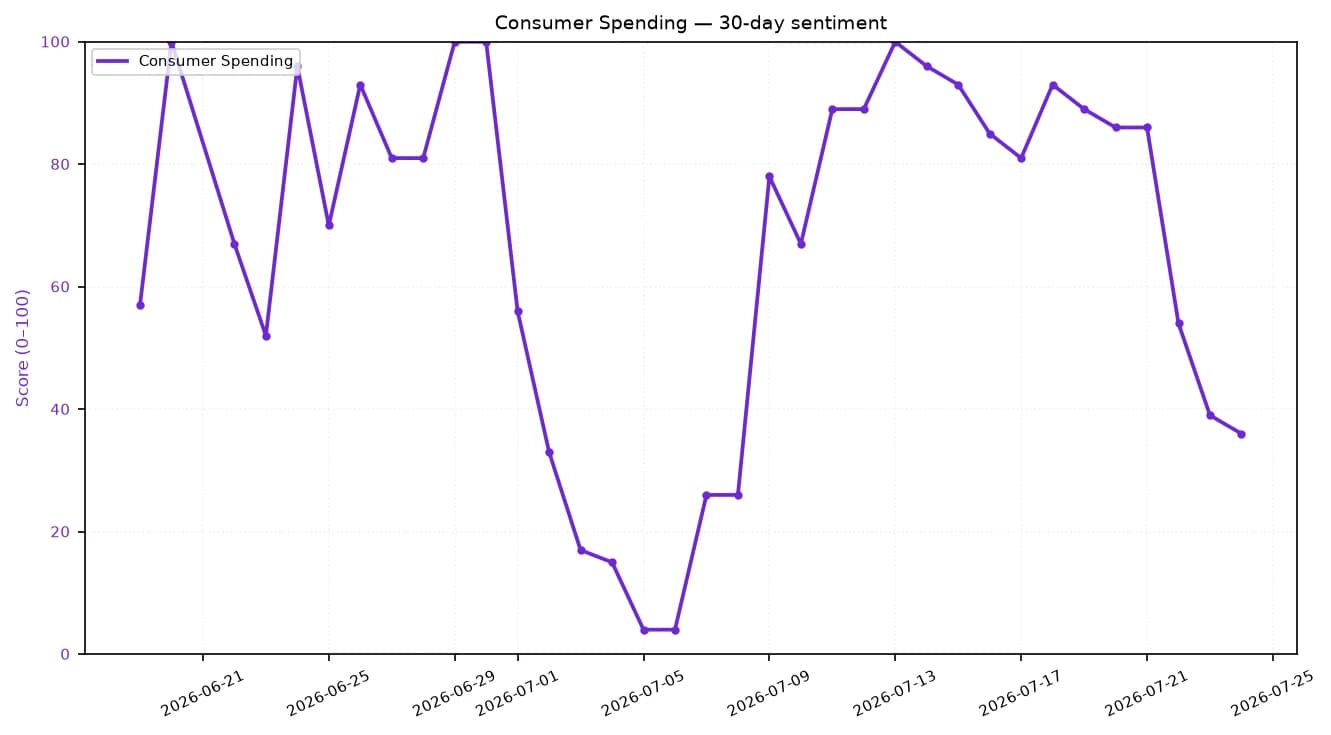
There is a flip side, of course. Consumer spending that outruns disposable income cannot go on indefinitely without help from savings, borrowing, or asset appreciation. If job growth slows, credit tightens, or inflation re-accelerates, the gap can close fast. Adalytica’s consumer spending sentiment gauge has also fallen sharply in recent weeks into neutral territory with extreme fear in awareness, which tells you confidence can deteriorate even while spending remains solid. That combination is worth watching because markets often turn before the macro data does.
For long-term investors, the message is encouraging rather than exciting: a durable consumer is one of the most powerful supports for compounding earnings over years, not quarters. If spending keeps outpacing income, retailers with scale, efficiency and brand trust should continue to win share, while broad consumer ETFs can remain a sensible way to ride the trend without betting on a single winner. This is a stock-market backdrop that favors patience, diversification and staying invested in businesses that benefit from everyday demand.
| Entity | Gains | Losses |
|---|---|---|
| Walmart | ▲steady traffic and sales | ▼price-war pressure |
| Costco | ▲loyal members and volume growth | ▼margin squeeze from higher costs |
| XLY holders | ▲consumer-spending upside | ▼sector volatility |
| Cautious consumers | ▲value options | ▼tighter household budgets |