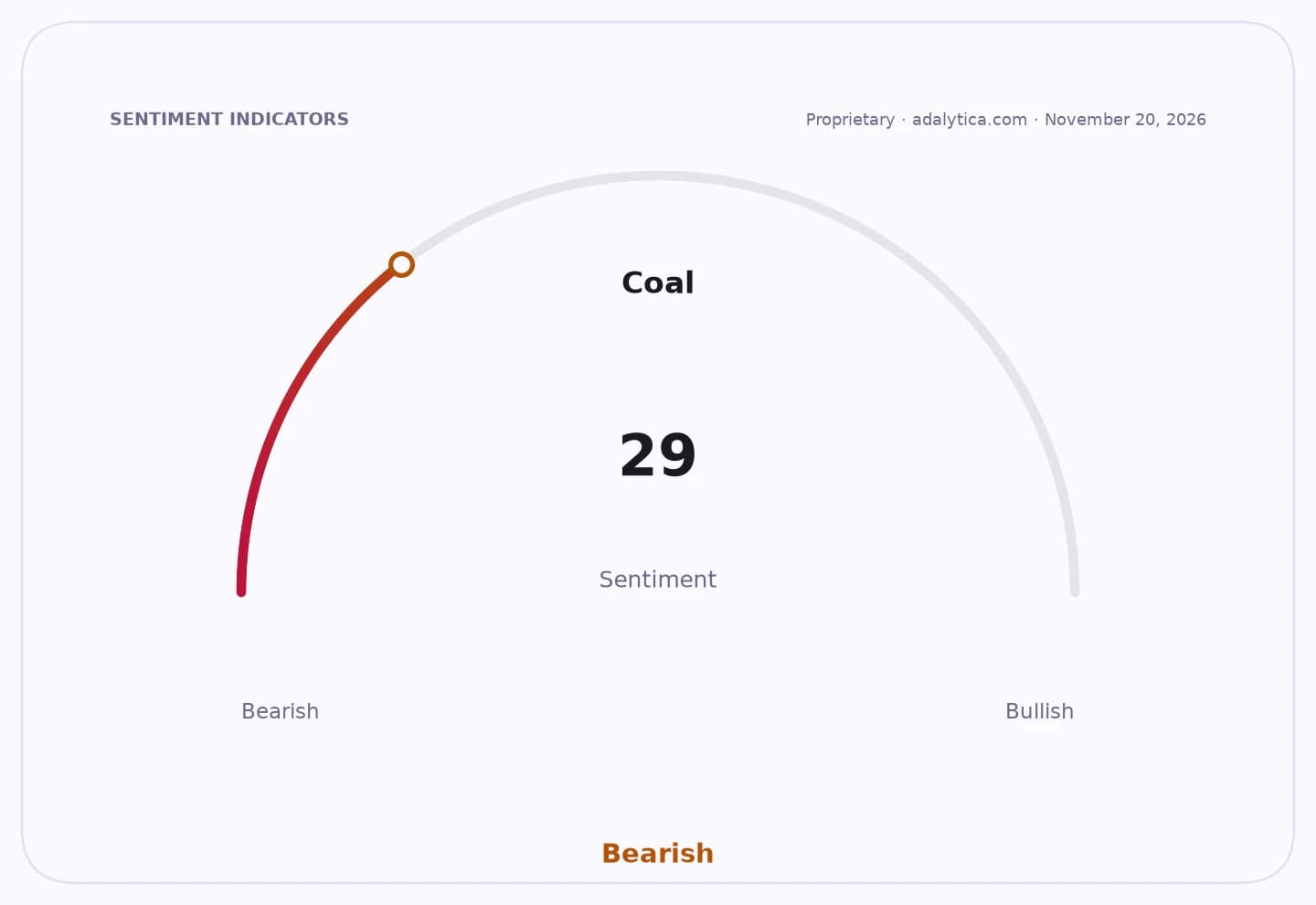
The latest draft of the COP31 climate deal omits any mention of “fossil fuels,” underscoring how far the United Nations talks have drifted from a binding path to phase out coal, oil and gas — and raising the odds of another weak global climate outcome with direct implications for energy policy, carbon costs and long-term capital allocation.
COP31 draft omits fossil fuels language

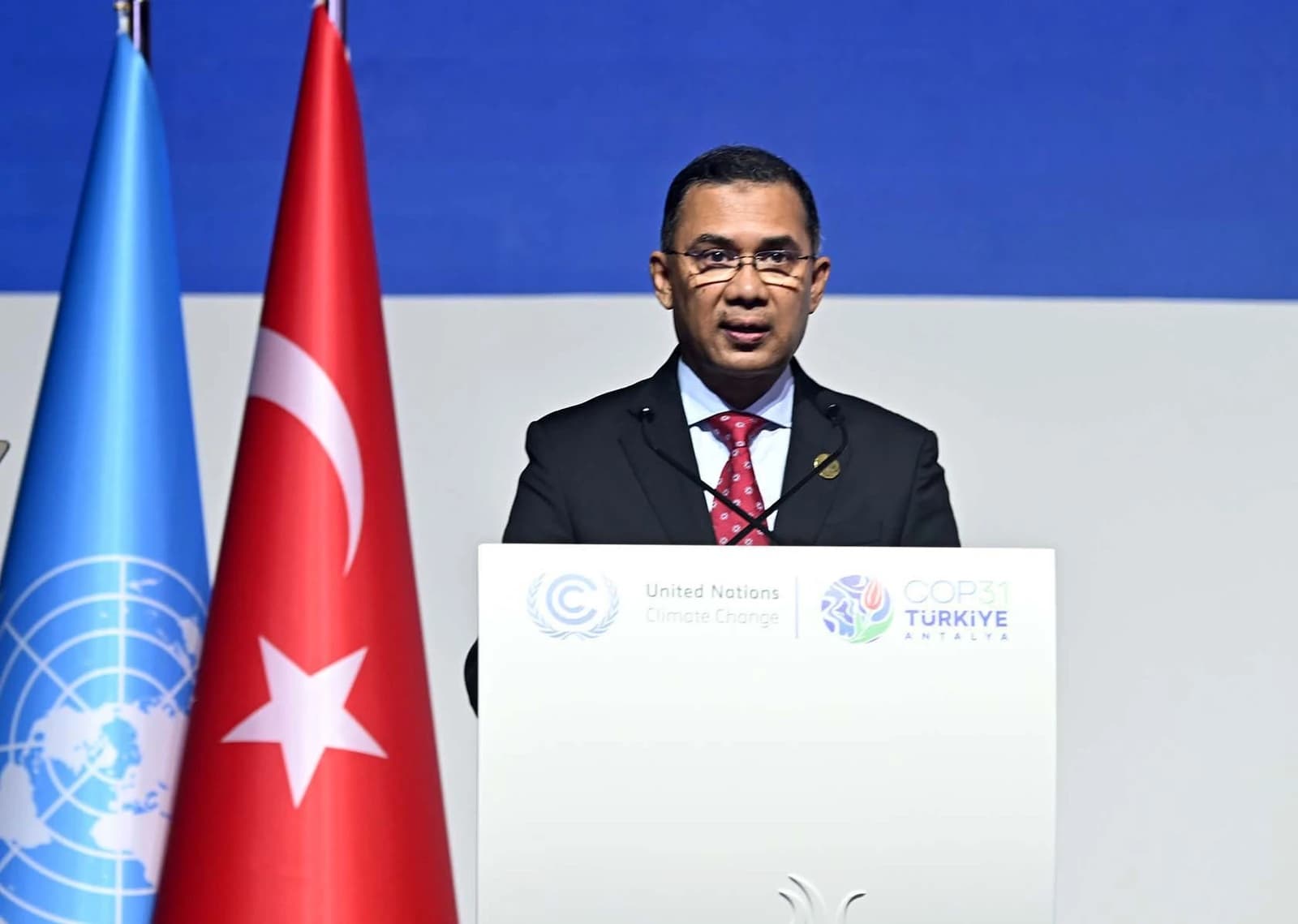
The Turkish presidency’s 10-page text, circulated after 3 a.m. Sunday, does not explicitly call for a gradual abandonment of fossil fuels, despite the 2023 Dubai summit’s promise to move away from them. Negotiators were given just three hours to file objections before the draft was sent to plenary, a compressed timetable that angered several countries and activists.
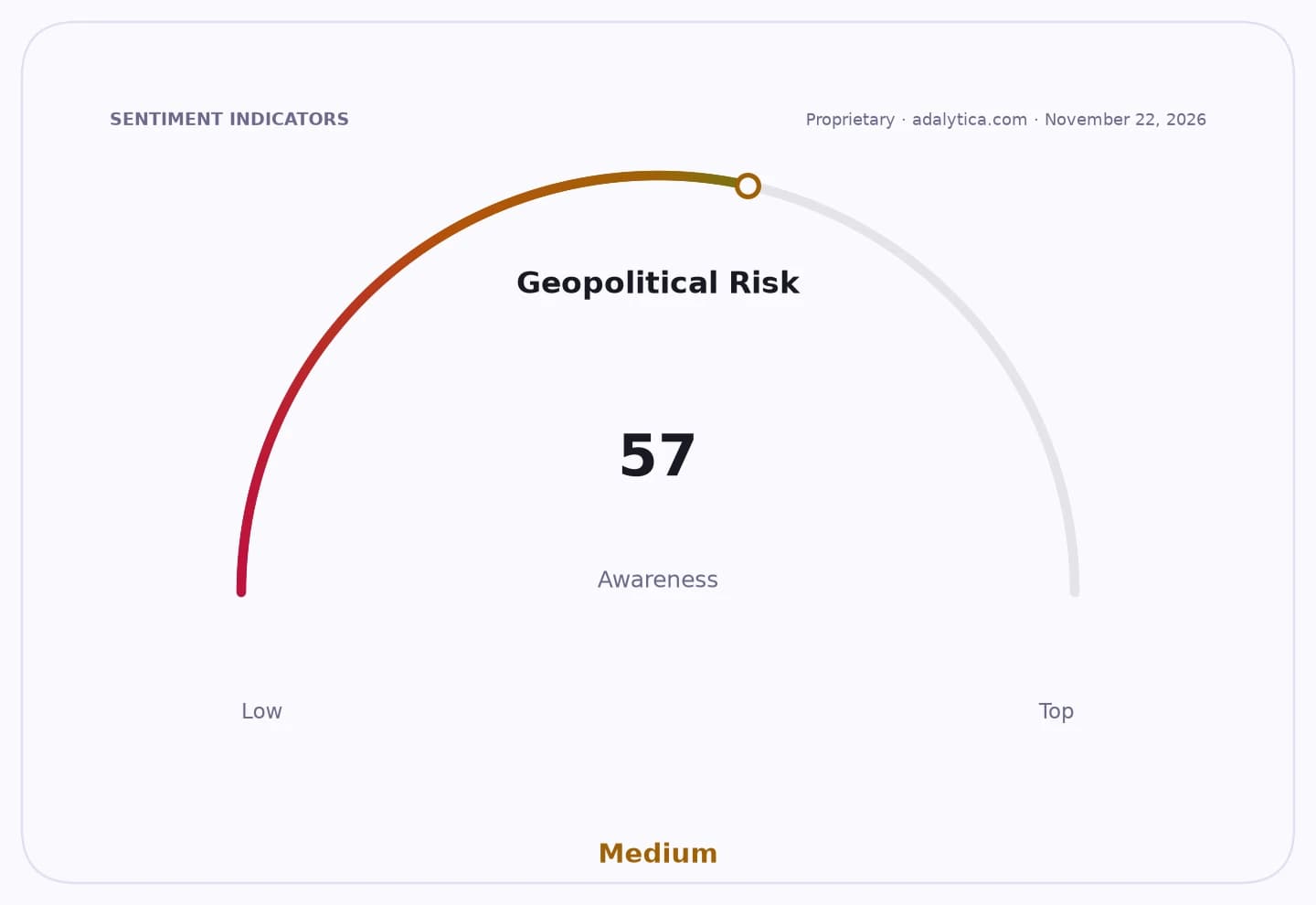
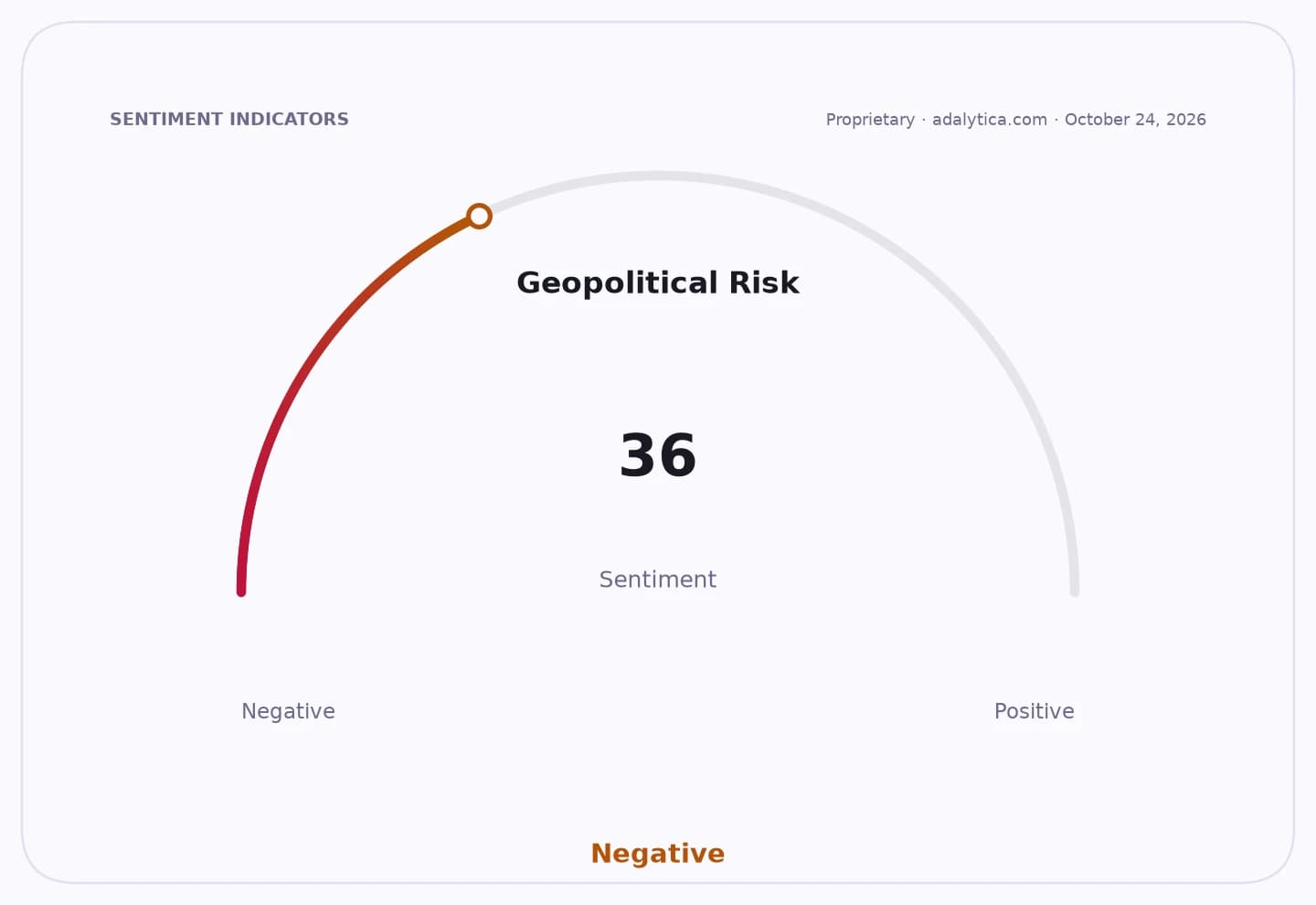
Sentiment Indicators
Geopolitical Risk
The omission matters economically because fossil fuels remain the backbone of the global energy system and the biggest source of climate-related transition risk for governments and companies. A deal that stops short of phasing them down gives oil, gas and coal producers more room to argue that demand will stay resilient, while weakening the policy signal for utilities, heavy industry and transport operators planning multibillion-dollar decarbonization spending.
Panama said it would formally object to any final accord that does not cap oil production, acknowledge failed temperature goals and increase adaptation funding. The country’s warning reflects broader frustration among developing economies, which want richer nations to spell out how they will pay for the costs of floods, droughts and other climate damage.
Oil WTI
The draft instead leans heavily on electrification, calling for electricity to rise to 35% of final energy use by 2035 from about 21% now, including in transport. Turkey and the International Energy Agency argue most new power already comes from renewables, but critics say the wording still allows coal- and gas-fired power to count as “electrified” energy, blunting emissions cuts.
It also keeps a controversial role for carbon capture and storage, setting an eye-catching target of 1 billion metric tons, a technology favored by the oil industry but still costly and difficult to deploy at scale. For investors, that keeps alive a split market narrative: a stronger case for CCS, grid buildout and electric mobility, but continued support for upstream oil and gas assets and related service firms if the final text remains as vague as the draft.
The conference, originally due to end Friday, is now in its second extension, and organizers fear the quorum needed to approve any agreement could vanish as delegations leave. If the final version remains free of explicit fossil-fuel phaseout language, COP31 would mark a notable retreat from Dubai and another sign that climate diplomacy is struggling to convert broad ambition into enforceable policy.
| Entity | Gains | Losses |
|---|---|---|
| Oil and gas producers | ▲Weaker phase-out pressure | ▼Clearer long-term demand risk |
| Coal and fossil-fuel exporters | ▲More policy breathing room | ▼Lower transition-cost certainty |
| Renewables and grid investors | ▲Electrification targets | ▼No exclusive clean-power mandate |
| Developing countries | ▲More leverage on adaptation funds | ▼No firm financing benchmark |