Copper prices were on track for a second straight weekly advance on Friday as mine supply disruptions, firmer Chinese demand and low visible inventories kept the market tight despite lingering concerns that US stockpiling could eventually ease the squeeze.
Copper prices rise on tight supply, China demand

Three-month copper on the London Metal Exchange was up 1.6% at $14,541 a metric ton, putting the benchmark on course for a 2.0% weekly gain. The move reflects a market that is being pulled in opposite directions: near-term physical tightness is supporting prices, while a growing pile of copper in the US — built ahead of potential tariffs — has kept a lid on some of the upside.
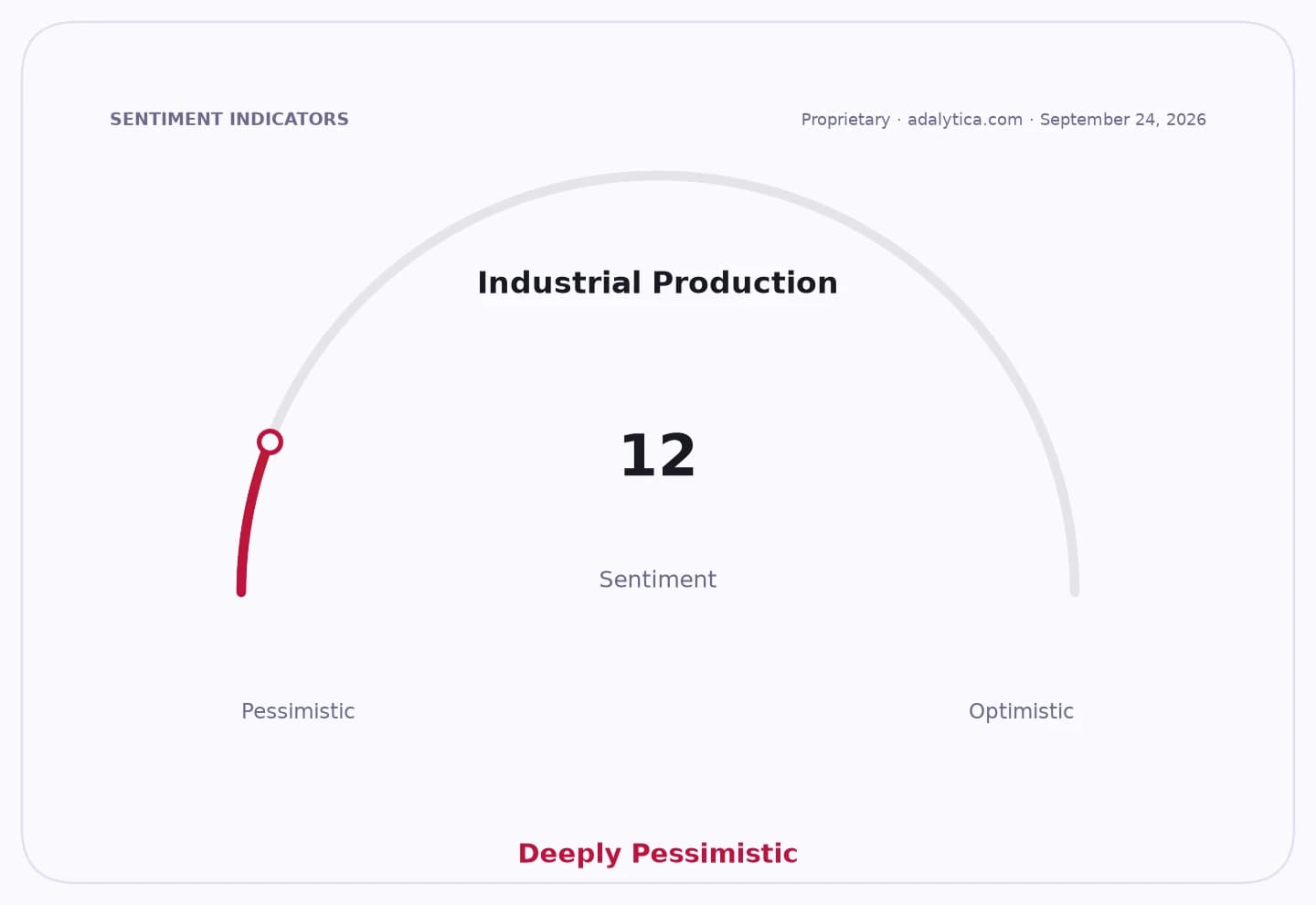
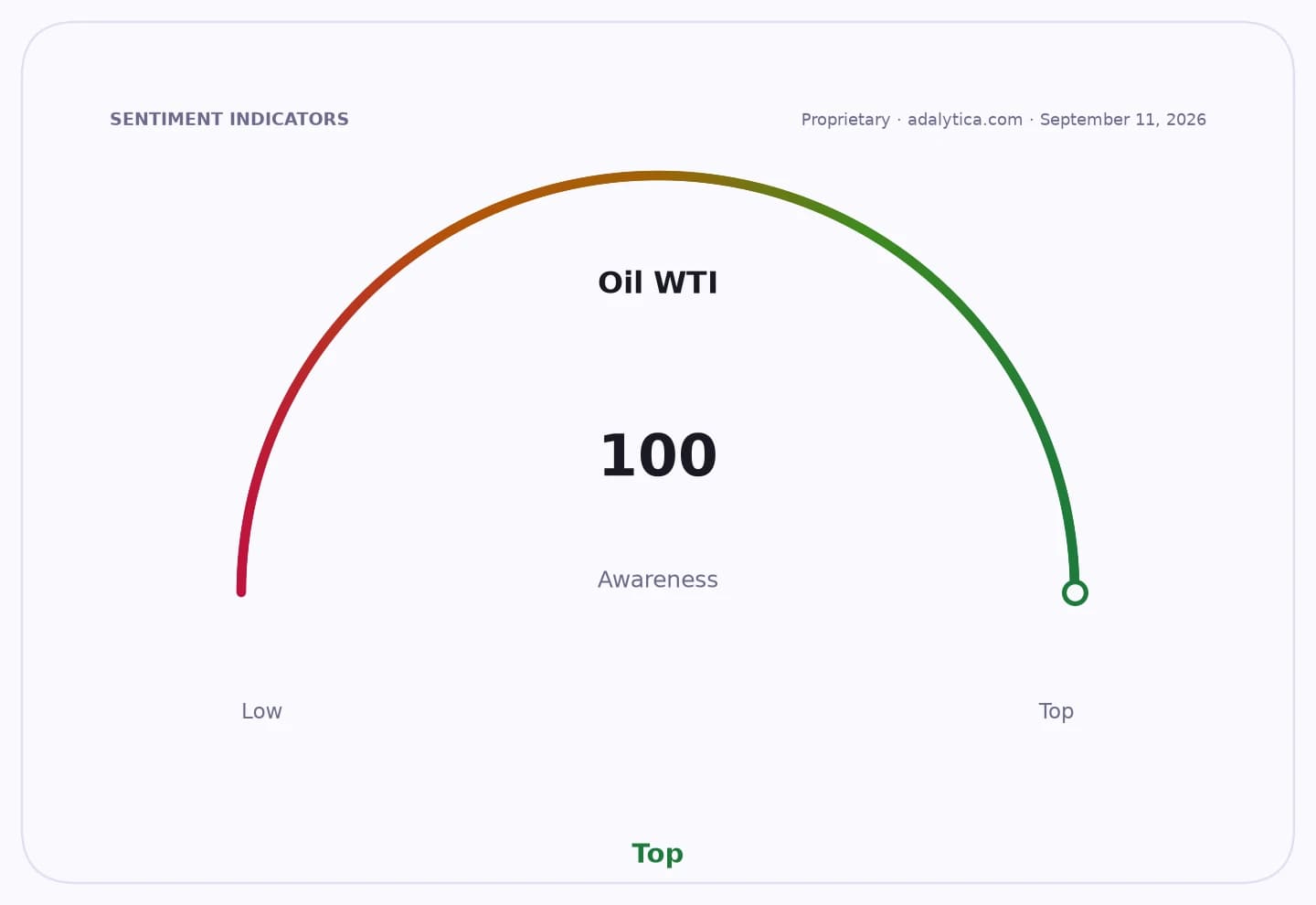
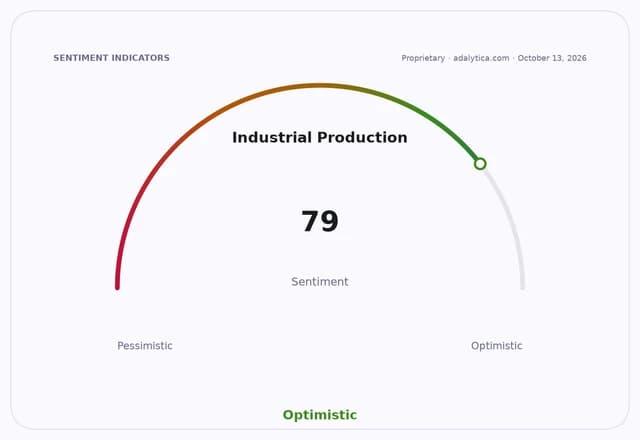
Sentiment IndicatorsⓘProprietary · adalytica.com · October 13, 2026
This is a snapshot — live sentiment, awareness and momentum for 130+ markets update continuously in the dashboard.Open AlphaPulse

The clearest sign of demand strength came from China, where the Yangshan premium — a closely watched measure of appetite for imported copper — ended the week at $135 a ton, a four-year high after the country returned from a week-long holiday. That matters because China is the world’s largest copper consumer and the premium often rises when smelters and traders are competing for cargoes. It suggests industrial users are still willing to pay up even after a strong run in prices.
Inventories also point to a tighter market outside the US. LME-registered warehouse stocks fell to a six-week low of 233,025 tons after net outflows, while the cash copper contract finished Thursday at a $97 a ton premium to the three-month contract, an indication that nearby supply is scarce. By contrast, Comex inventories in the US have climbed to a record 711,609 tons as buyers front-run possible import tariffs on refined copper, creating a regional mismatch that has helped support global prices since early 2025.
On the supply side, the market is increasingly worried that mining disruption is no longer a one-off risk. A union at Antofagasta’s Centinela mine in Chile said the ongoing strike would start to weigh on output in November, adding to broader concerns about concentrate availability and refinery feedstock. Morgan Stanley said any slowdown in US stockpiling could make the market feel looser, but said China’s demand had been resilient and supply faced significant disruptions.
For investors, that combination keeps copper one of the most sensitive ways to express a view on China, industrial activity and the energy-transition trade. Miners with copper exposure, including Freeport-McMoRan and Southern Copper, have benefited from the rally, while downstream users face higher input costs. A prolonged period of tightness would support producer margins, but it also raises the risk that elevated prices eventually slow consumption or encourage inventory liquidation.
The broader narrative is that copper is being driven less by one single catalyst than by a structural squeeze: resilient Chinese buying, threatened mine output and a geographically distorted inventory build in the US. Unless stockpiles outside America recover or US demand for physical metal cools, the market is likely to remain prone to sharp moves on any fresh supply disruption.
| Entity | Gains | Losses |
|---|---|---|
| Copper producers | ▲Higher realized prices | ▼Supply disruption risk |
| Chinese buyers/smelters | ▲Near-term supply access | ▼Higher import costs |
| US stockpilers | ▲Tariff hedge value | ▼Market tightness narrows spreads |
| Downstream manufacturers | ▲— | ▼Rising input costs |