Córdoba’s Legislature remains one of Argentina’s least expensive provincial chambers on a per-bench basis, but its staffing footprint is large enough to put it among the country’s biggest legislative structures and raise questions about public payroll discipline.
Córdoba Legislature Budget Rises 52.6% for 2026
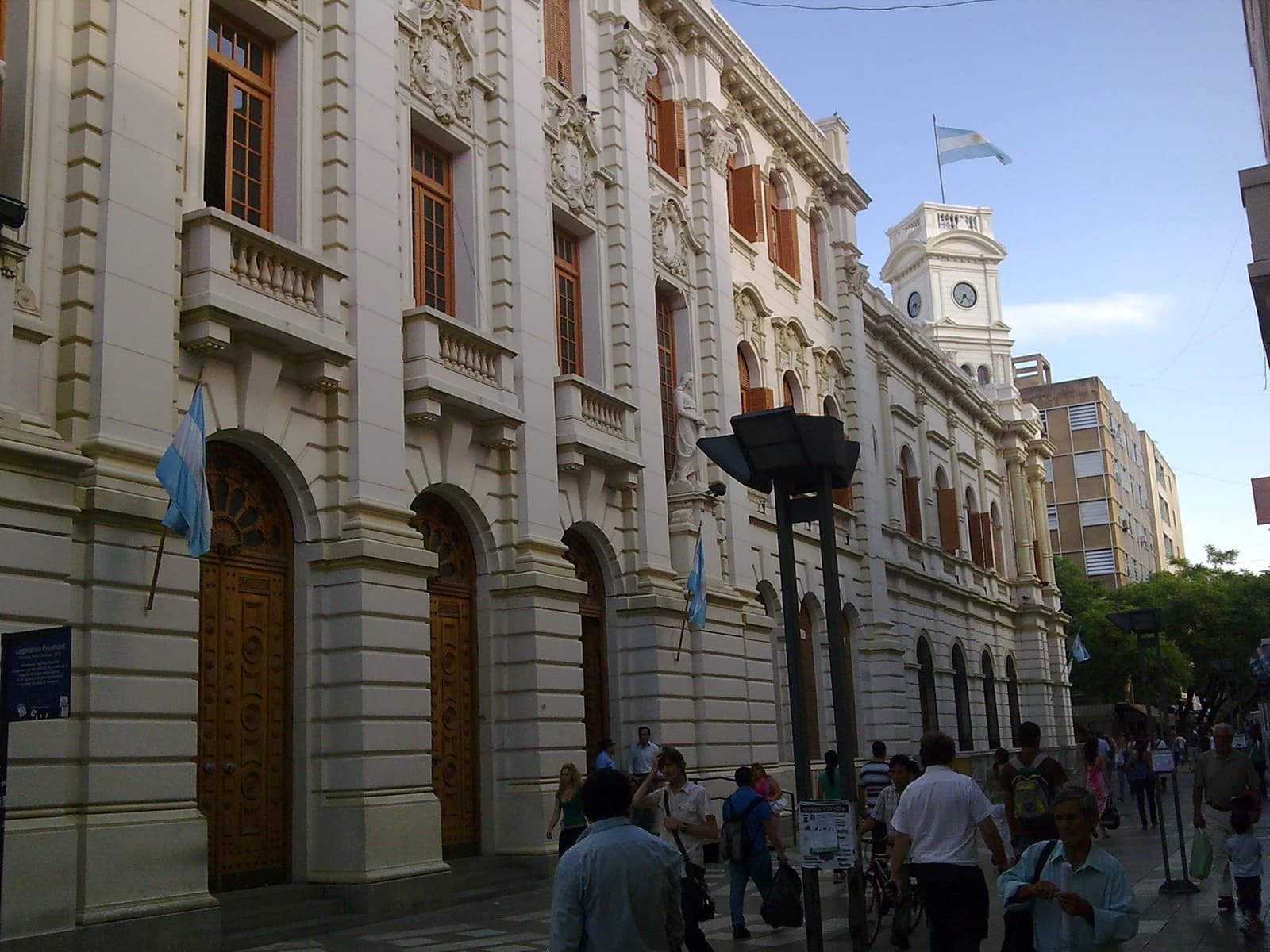
That contrast matters because staffing is the main cost driver in provincial legislatures and because Argentina’s fiscal debate increasingly centers on how much room governments have to expand payrolls without eroding budget credibility. In Córdoba, the legislature is budgeted at $55.11 billion pesos for 2026, or $787.3 million per legislator, about 48.6% below the national average of $1.53 billion per seat, according to Fundación Libertad.
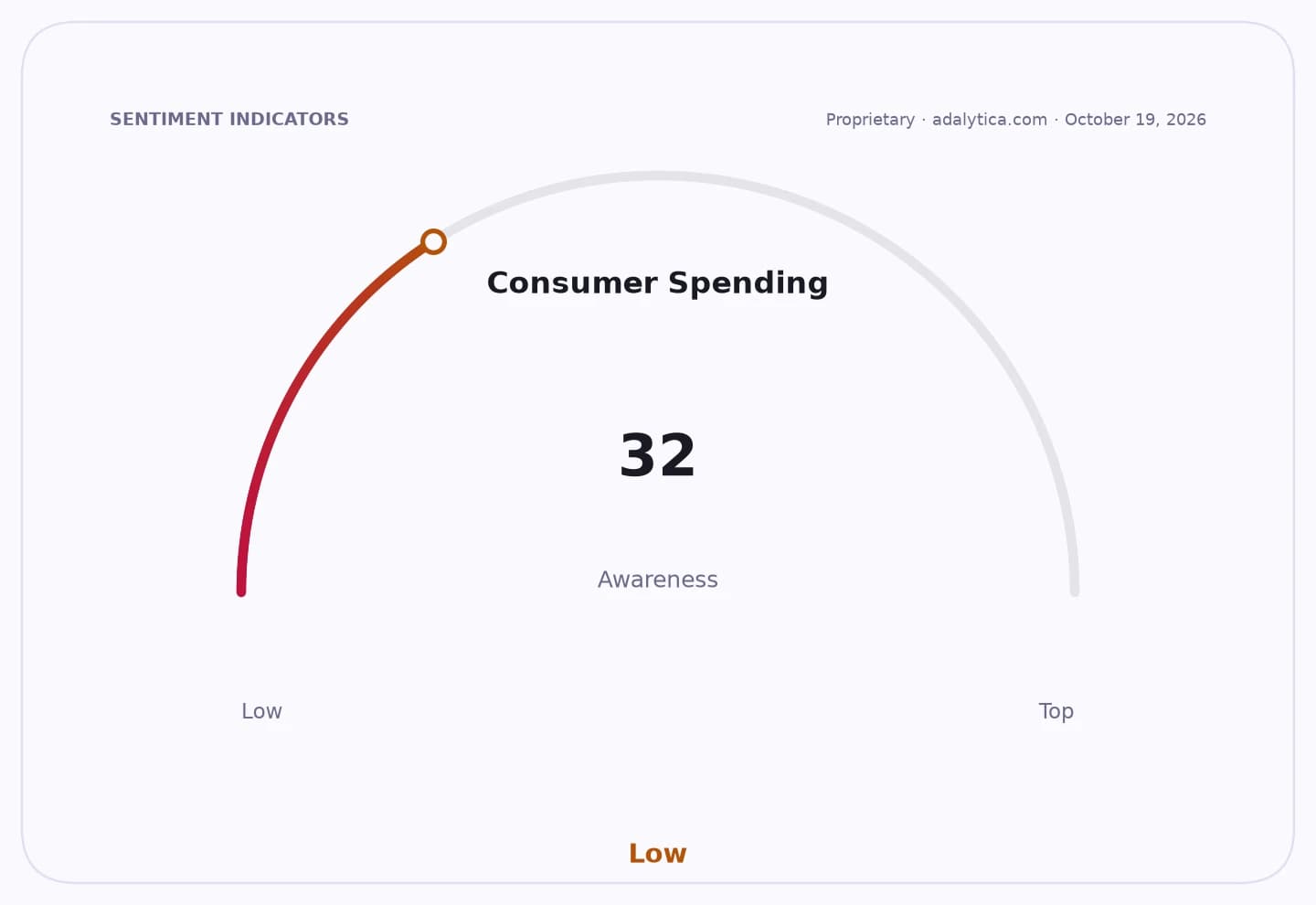
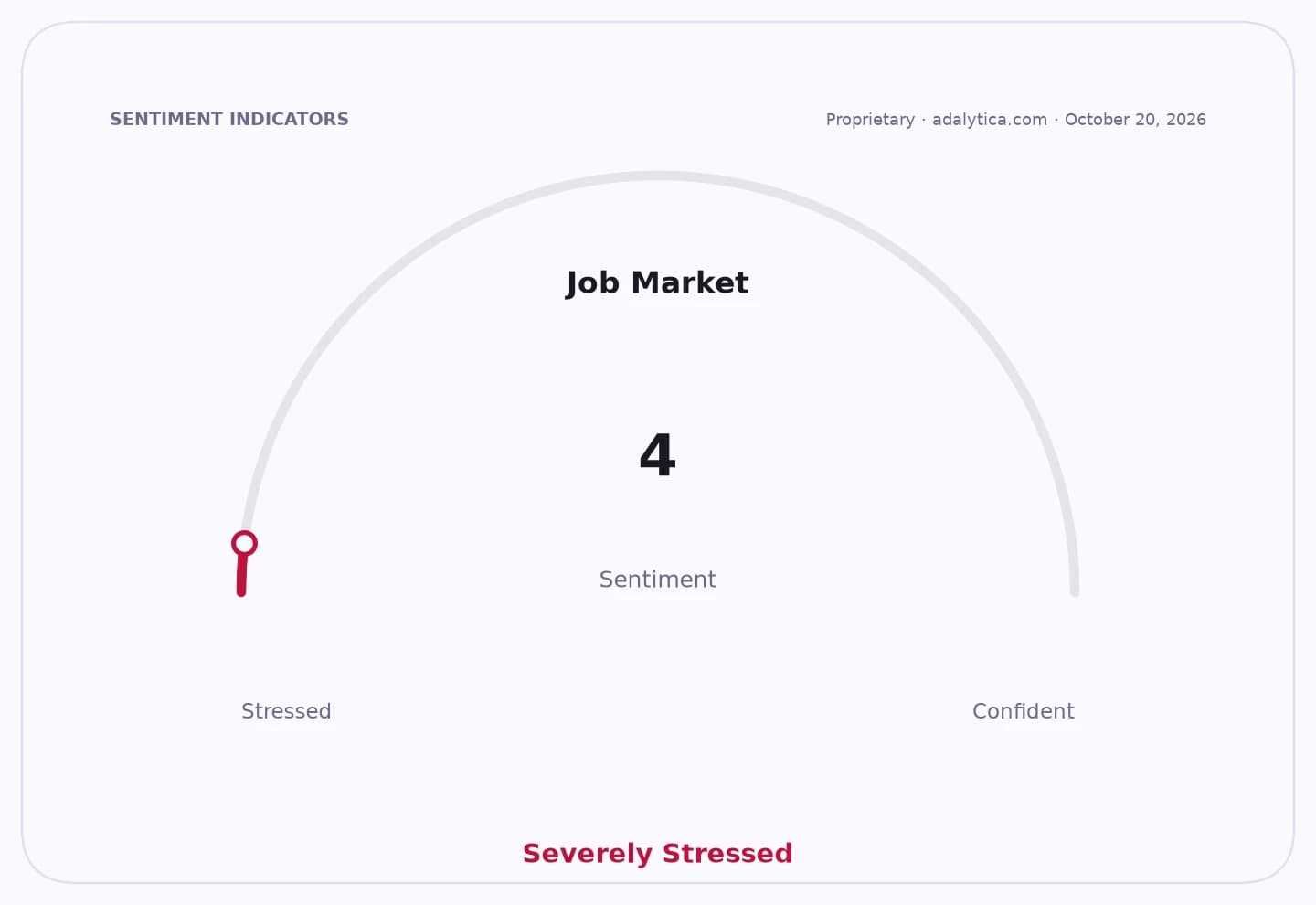
Sentiment IndicatorsⓘProprietary · adalytica.com · September 27, 2026
This is a snapshot — live sentiment, awareness and momentum for 130+ markets update continuously in the dashboard.Open AlphaPulse
The chamber’s headcount, however, tells a different story. Fundación Libertad received a count of 569 workers for Córdoba, but the legislature’s own nominal rosters list 1,637 people linked to the Unicameral. On that basis, Córdoba would rank sixth among the 18 provinces that reported staffing data, behind Corrientes, Buenos Aires, Catamarca, Chaco and Formosa.
The gap is especially notable next to Santa Fe, which has 69 legislators, one fewer than Córdoba, but 1,405 workers versus Córdoba’s 1,637, a difference of 232 people, or about 16.5%. Santa Fe’s legislature budget is far larger at $191.81 billion pesos, or 3.5 times Córdoba’s, yet Córdoba’s staffing intensity would still leave it close to the national average when measured by people per lawmaker.
That is where the policy significance lies for investors and broader markets: even a relatively “cheap” legislature can carry a heavy recurring payroll burden. Across the provinces that reported data, about 84% of legislative spending goes to personnel, including legislators, secretariats, advisers and permanent and temporary staff.
Córdoba’s 2026 legislative budget rose to $55.11 billion pesos from $36.13 billion pesos in 2025, a nominal increase of 52.6%. With 70 lawmakers unchanged, the cost per seat climbed from $516.1 million to $787.3 million. Using an inflation rate of 33.5%, that still implies a real increase of roughly 14.3%, underscoring that even the “cheap” chambers are getting more expensive in real terms.
For provincial governments, the issue is less the absolute level of Córdoba’s legislature spending than the structure behind it. The numbers suggest room for scrutiny over administrative staffing, the use of advisers and how much of the payroll is tied directly to lawmakers versus the institution itself.
The next focal point is whether provincial budget negotiations in 2026 start targeting legislative overhead more aggressively, especially as public spending remains under pressure nationwide and fiscal restraint becomes a political as well as an economic test.
| Entity | Gains | Losses |
|---|---|---|
| Córdoba taxpayers | ▲Lower cost per legislator | ▼Higher legislative payroll burden |
| Córdoba provincial treasury | ▲Spending remains below national average | ▼Budget still rises 52.6% |
| Legislative staff and advisers | ▲Large staffing footprint preserved | ▼Scrutiny over payroll and overhead |
| Fiscal reform advocates | ▲Fresh data to press for cuts | ▼Status quo legislative structures |