CoreWeave, the Nvidia-backed AI infrastructure provider, is facing rising default risk as its debt load swells to $47 billion, putting fresh pressure on one of the market’s most leveraged bets on artificial-intelligence demand.
CoreWeave Debt Load Raises Default Risk
The warning matters because CoreWeave sits at the center of the AI buildout: it borrows heavily to buy Nvidia chips, build data centers and rent computing power to clients such as OpenAI and Anthropic. If its financing model cracks, the strain could spill into the wider AI supply chain, from chipmakers to lenders and cloud rivals.
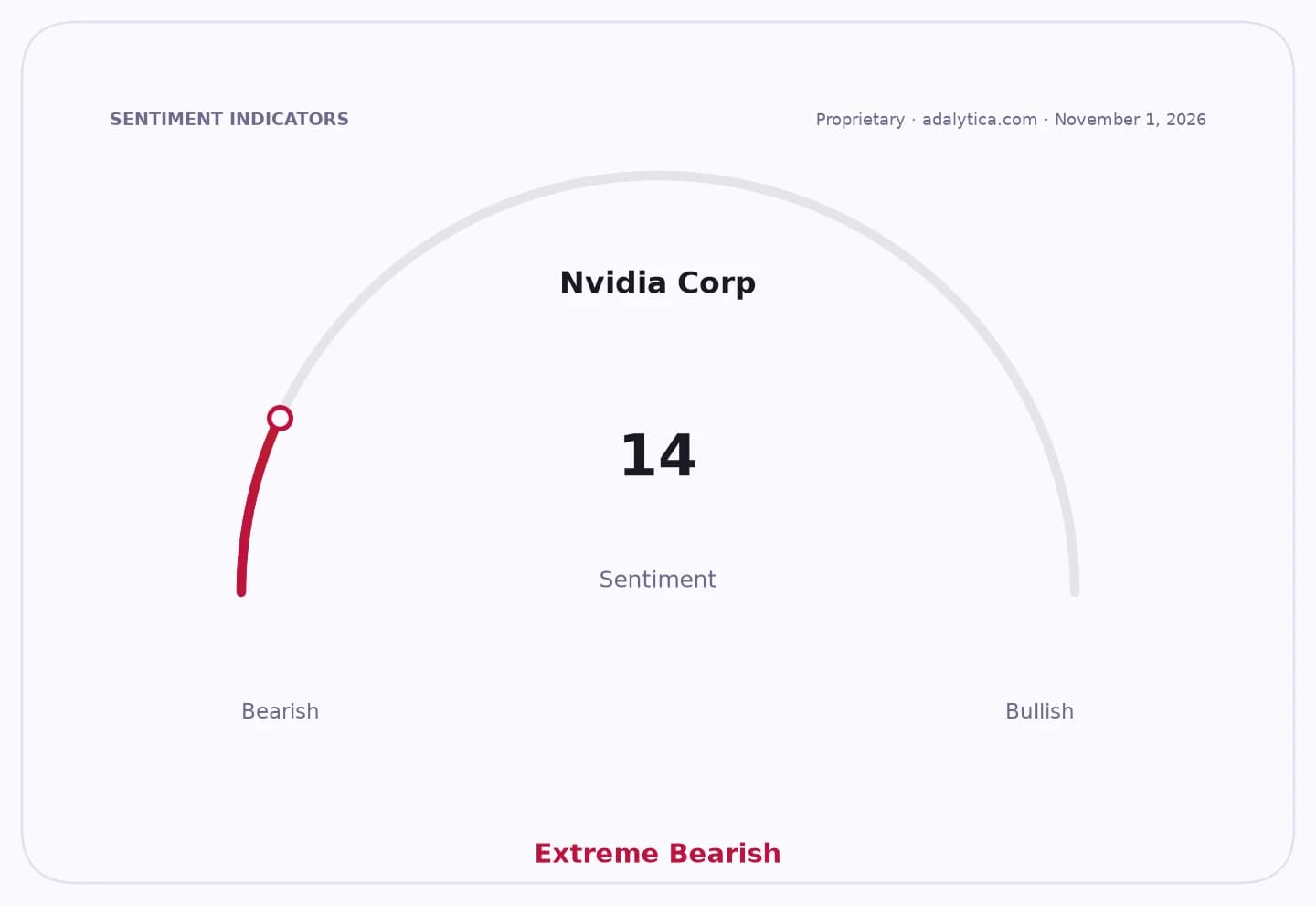
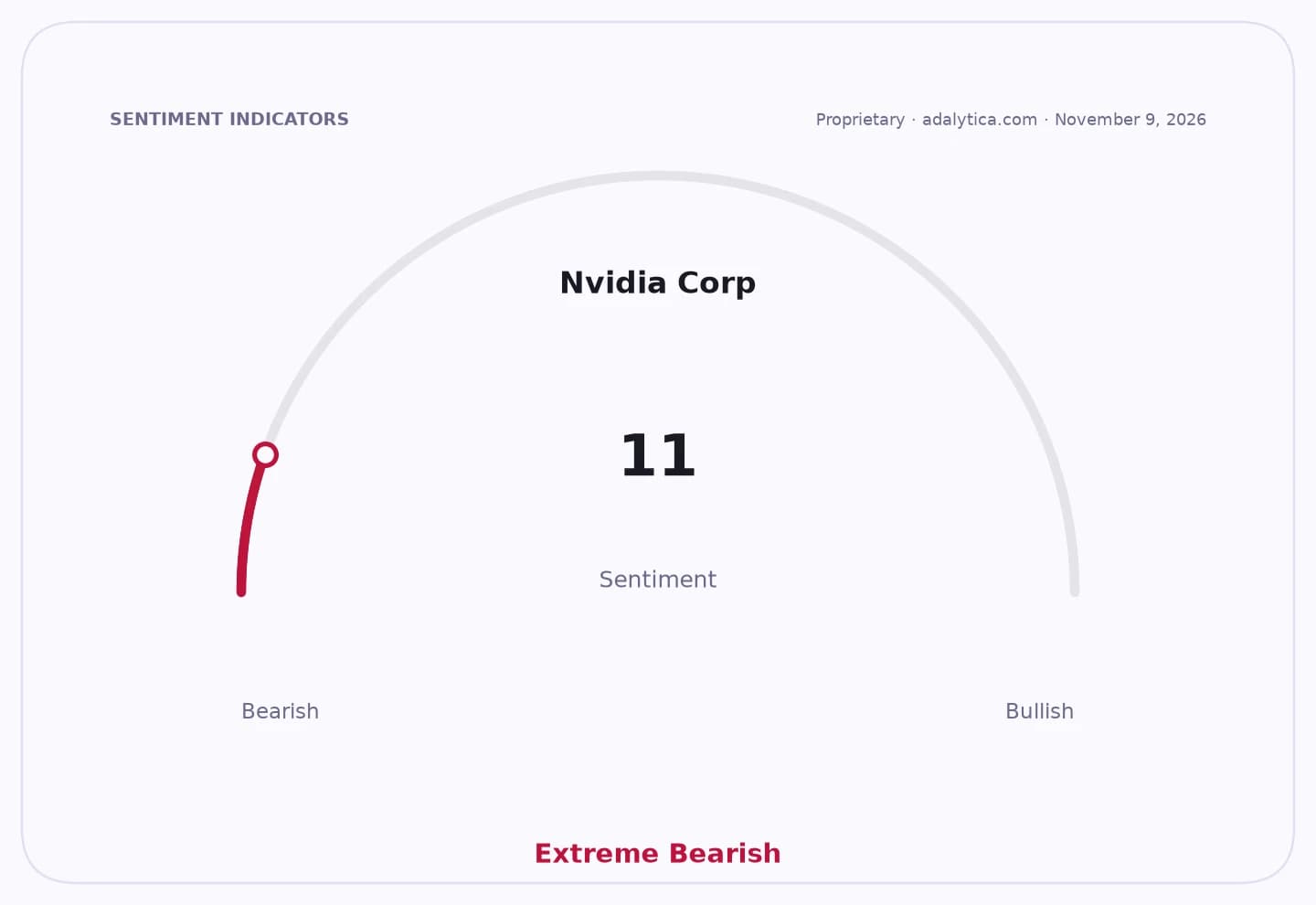
Sentiment Indicators
The Guardian reported that more than $10 billion of CoreWeave’s debt matures in 2027 and that creditors were valuing the odds of a default within five years at more than 60% as of autumn. The company posted a $709 million quarterly loss on $3.6 billion in revenue, underscoring how far cash generation still lags the pace of expansion.
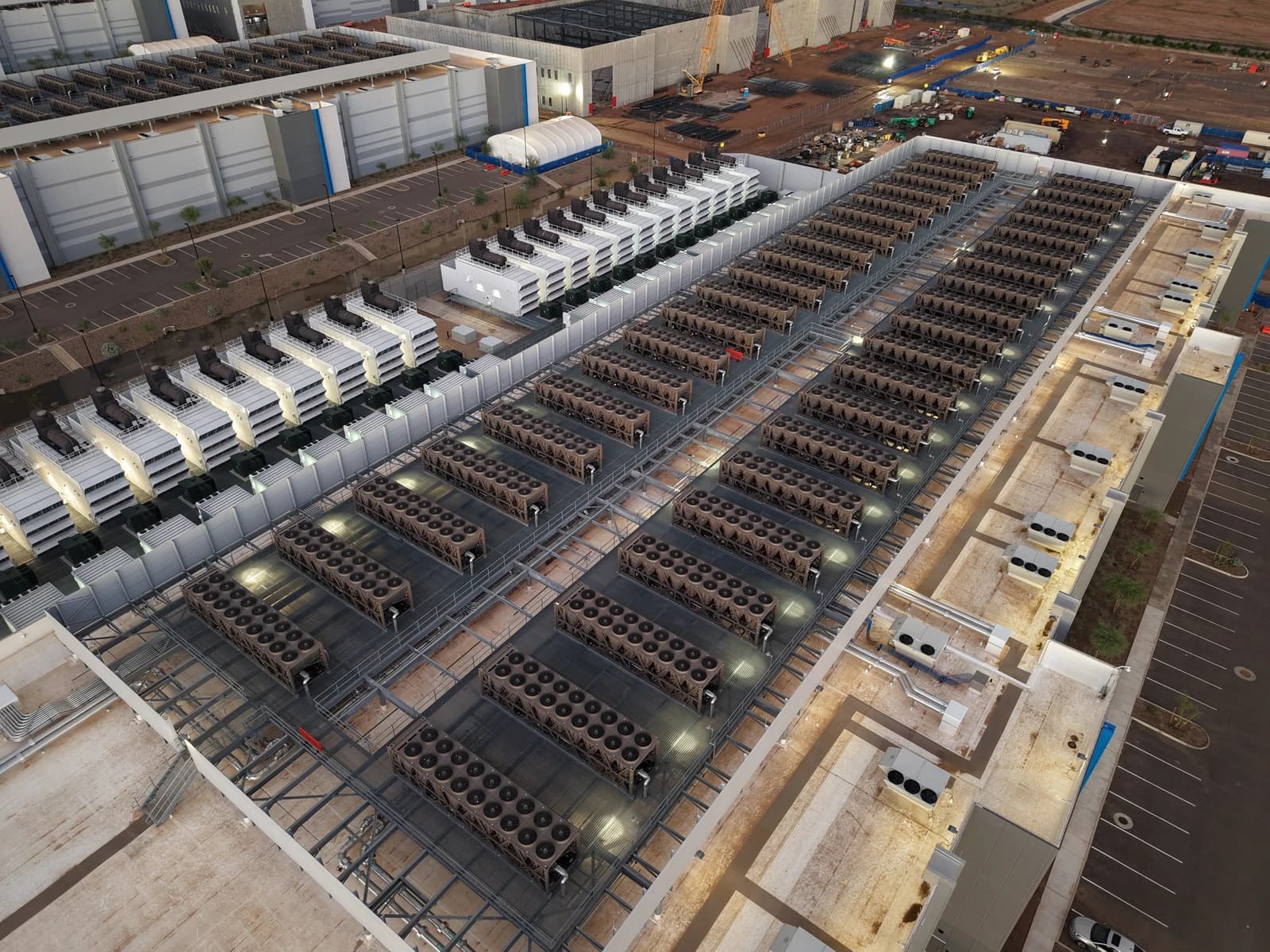
CoreWeave now operates 52 data centers globally, with some still under construction or in planning. It says demand is backed by $132.5 billion of contractual obligations, but a large share of its cash flow comes from customer prepayments rather than completed services, leaving the business dependent on continued capital access and client spending.
Nvidia owns about 11% of CoreWeave and has agreed to buy $6.3 billion of computing capacity from the company that cannot be sold to other customers. CoreWeave has also borrowed roughly $25 billion against Nvidia chips, a structure that raises lender risk as hardware depreciates and some investors argue the chips lose value faster than the six-year life CoreWeave uses.
The stress is already hitting the market. Shares of CoreWeave and peers including Nebius and Iren slumped in October, with investors worrying that AI cloud providers are financing long-dated data-center expansion with debt while the biggest AI developers remain unprofitable. Elon Musk’s warning that more than 200 AI infrastructure companies could go bust added to the selloff and briefly pushed CoreWeave lower in premarket trading.
For investors, the key issue is whether AI infrastructure spending can keep outrunning financing costs. If credit markets tighten or customer growth slows, the model that helped power the AI trade could become a source of losses for lenders, chip suppliers and equity holders alike.
| Entity | Gains | Losses |
|---|---|---|
| CoreWeave | ▲Expansion funding | ▼Default risk rises |
| Nvidia | ▲Chip sales, equity stake | ▼Counterparty exposure |
| Lenders | ▲High-yield income | ▼Collateral and credit risk |
| AI clients | ▲Faster access to compute | ▼Higher future costs |