U.S. neocloud stocks have fallen hard enough this month to hand short sellers about $6 billion, or 8 trillion won, in paper profits, underscoring a growing market reassessment of the debt-fuelled AI infrastructure boom.
CoreWeave, Nebius Fall as Neocloud Shorts Profit
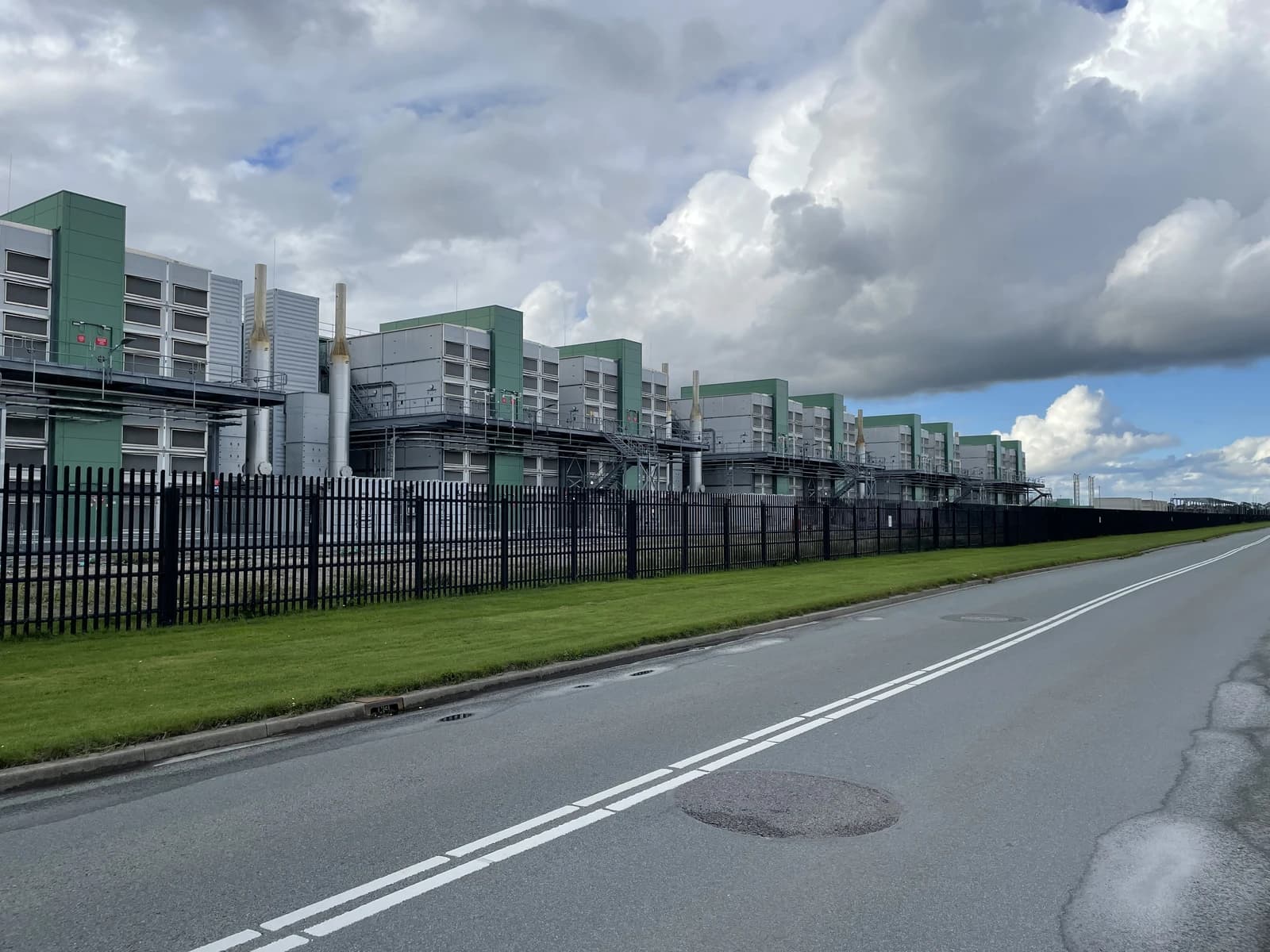
The selloff matters because it is no longer just a stock-picking problem. It is a question about whether highly levered AI cloud and data-center operators can convert borrowed money into durable cash flow fast enough to justify the capital being spent. That concern is starting to hit valuations across the group, even as demand for AI computing remains strong.
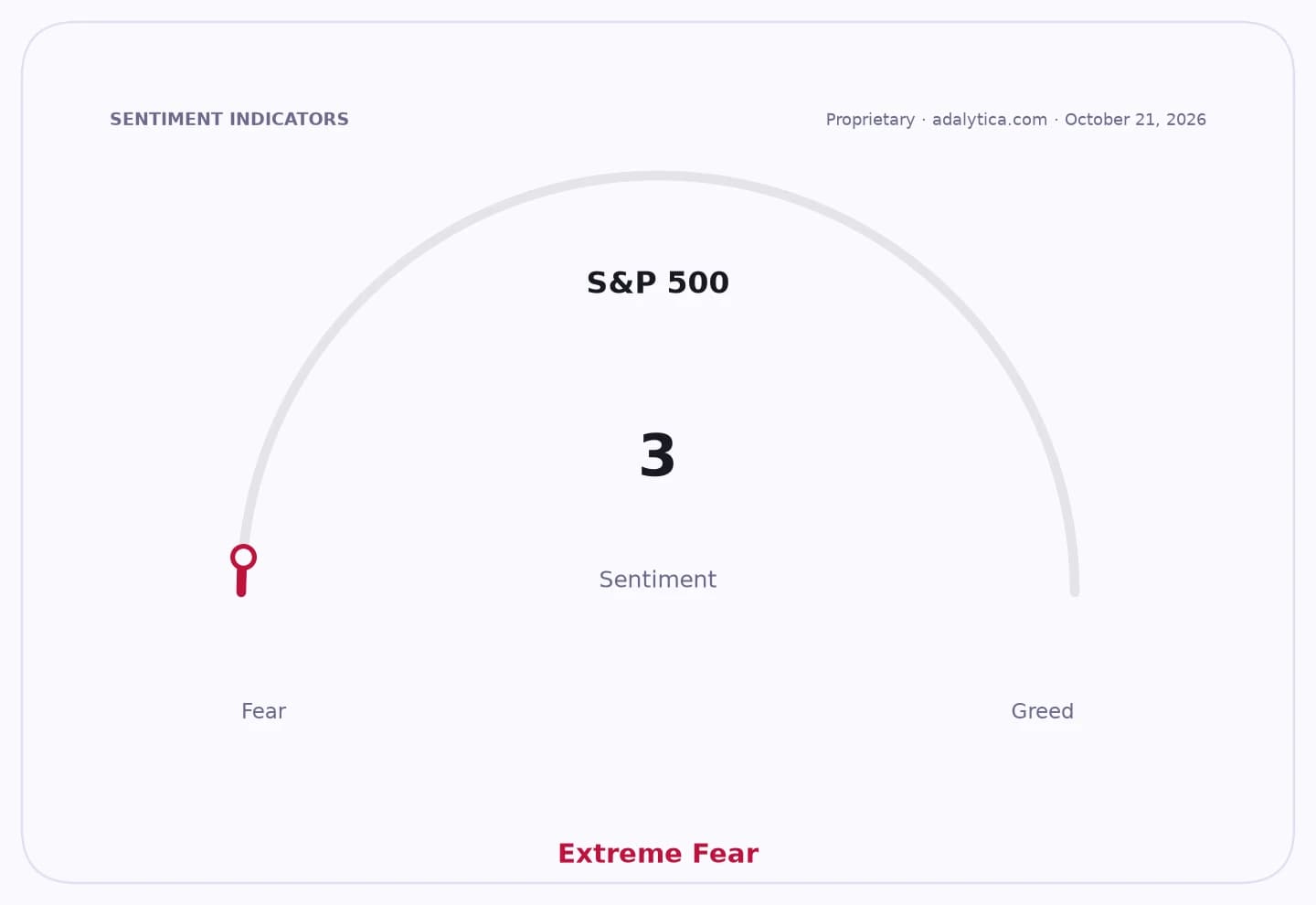
Sentiment Indicators
According to data from ORTEX cited by Reuters, short sellers have booked mark-to-market gains this month on five U.S. AI cloud and infrastructure names — CoreWeave, IREN, Nebius Group, Applied Digital and Core Scientific — as investors reassess the sustainability of a business model reliant on heavy borrowing to build GPU clusters and data centers.
CoreWeave, the best-known pure-play neocloud name, has dropped nearly 30% this month, leaving short sellers with about $1.7 billion in unrealized gains, ORTEX estimated. Its short interest has climbed to 23.7% of free float from 19.6% earlier this month, and is above the 22.7% level seen at the start of the year. Nebius has also come under pressure, with short sellers showing about $2.94 billion in monthly paper profits even though they are still nursing losses for the year.
The pattern points to a broader shift in sentiment around AI spending. For much of the past two years, the market rewarded companies that rushed to secure GPUs, land, power and data-center capacity, treating the buildout as a call option on future AI demand. But the financing burden is now more visible. Investors are asking whether accelerated capex, funded with debt, can produce returns before interest costs, refinancing needs and asset depreciation start to weigh on earnings.
That tension is evident in the trading. ORTEX said the combined short interest in the five names amounts to roughly 20% to 26% of shares outstanding, with shorted stock valued at about $17 billion. Yet borrowing costs for the shorts remain relatively low, suggesting bearish positions can still be carried or expanded without much friction. That keeps the pressure on the group if shares continue to weaken.
The neocloud pullback also comes against a wider backdrop of concern over AI financing more broadly. Microsoft, Broadcom and Anthropic have all tapped debt markets to fund AI-related projects, adding to fears that the sector’s growth story is increasingly dependent on leverage rather than immediate operating cash generation. Microsoft’s own filing this week warned that demand for cloud and AI services is difficult to forecast and that capacity missteps can leave infrastructure underused and assets impaired.
For investors, the immediate question is whether this is a valuation reset or the start of a deeper de-rating of the AI infrastructure trade. Bulls can still argue that demand for training and inference remains early and that scarce compute will keep utilization high. Bears counter that the market is finally pricing in execution risk, funding risk and the possibility that not every megawatt and megadollar invested will earn its cost of capital.
What happens next will depend on whether these companies can prove that revenue growth, margins and cash flow are catching up with the debt they are taking on. Until then, the short side appears to have found one of the market’s most crowded and expensive-looking corners.
| Entity | Gains | Losses |
|---|---|---|
| Short sellers | ▲Paper profits on falling shares | ▼Risk of squeeze if sentiment rebounds |
| CoreWeave, Nebius, IREN, Applied Digital, Core Scientific | ▲— | ▼Lower valuations, rising short pressure |
| Long-only investors | ▲Potential entry at cheaper prices | ▼Mark-to-market losses |
| AI infrastructure lenders | ▲Interest income on debt | ▼Greater credit and refinancing risk |