Costco’s old-school shopping experience is becoming a competitive weapon again, and investors may be underestimating how much that matters in a market still chasing flashy retail and digital disruption.
Costco’s Membership Model Still Drives Resilience

The real story is not nostalgia for nostalgia’s sake. It is that in a period of sticky food prices, value-conscious consumers are rewarding the one place that still feels like a bargain, a treasure hunt and a social event all at once. That is a powerful combination for Costco, because when shoppers leave happier than when they arrived, they come back more often, buy more per trip and stay loyal even when the economy wobbles.
Sentiment IndicatorsⓘProprietary · adalytica.com · July 21, 2026
This is a snapshot — live sentiment, awareness and momentum for 130+ markets update continuously in the dashboard.Open AlphaPulse
The message is showing up in the stock tape. Costco has climbed to about $935, far above its 200-day moving average near $955 earlier in the summer, even after a pullback from a May peak above $1,090. The shares are still trading with the kind of premium that says investors view the business less as a grocer and more as a compounding machine. Recent price action has been choppy — the stock is below its 50-day average and well off its highs — but that is exactly the sort of reset that tends to matter for long-term buyers in a structural winner.
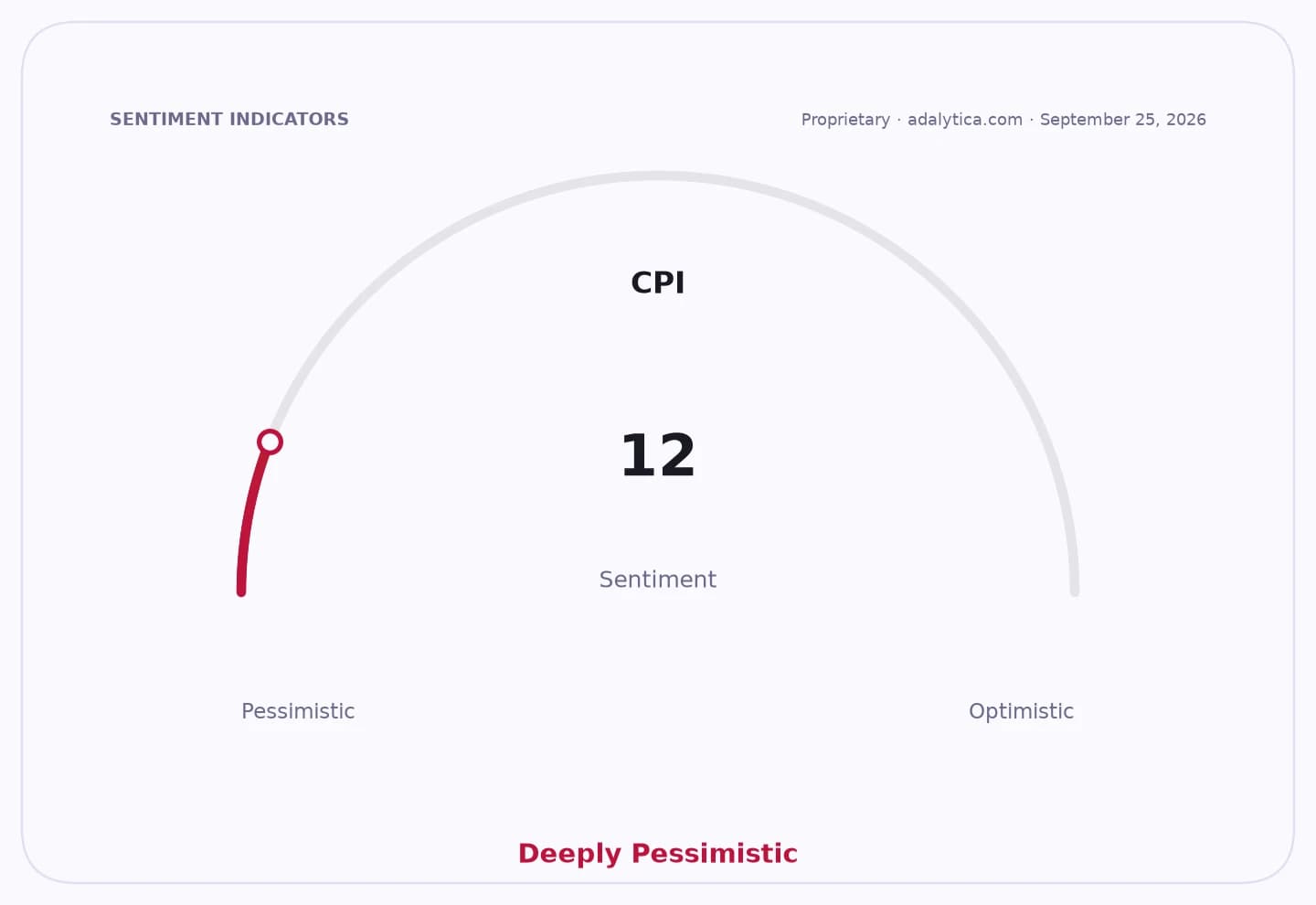
What the market is really pricing is resilience. Grocery is usually a low-growth, low-margin category, but Costco has turned it into a traffic engine by combining bulk value, limited assortment and the psychological pull of scarcity. In a consumer environment where people are still hunting for deals, that model becomes even more attractive. The Adalytica Consumer Spending Sentiment gauge reads “Extreme Greed” at 86, while Food and Grocery Spending Sentiment is even hotter at 93, suggesting shoppers are still active and willing to spend on staples and pantry stocking. For Costco, that is less a warning sign than proof that bargain-seeking remains alive.
This is why the company’s economics are so different from the rest of retail. Costco does not need to squeeze every basis point out of each item; it needs members to keep renewing, keep visiting and keep trusting that the warehouse delivers value. That membership flywheel is what makes the model so durable. The filing language is explicit: Costco seeks to maintain “pricing authority” by consistently offering the most competitive prices. In practice, that means it can use food and essential goods to pull traffic and then monetize the trip through higher basket sizes, ancillary purchases and membership fees.
The comparison with rivals matters. Walmart and Kroger are more exposed to the grind of grocery competition, while Costco’s model is built to thrive when households trade down but still want a better experience. Walmart has also had a strong run, but its stock has been far less insulated from the ups and downs of consumer sentiment. Kroger, meanwhile, remains tied to a more conventional grocery margin structure and faces heavier pressure from labor, promotions and price wars. Costco sits in the middle of the sweet spot: it looks like a defensive stock, but behaves like a growth compounder.
That is the asymmetric opportunity the market underestimates. If consumer confidence weakens, Costco’s value proposition gets stronger. If inflation stays elevated, its price authority and bulk positioning remain a draw. If the economy reaccelerates, members still trade up into discretionary and seasonal categories. In other words, the company has multiple paths to winning, which is exactly what investors should want in a late-cycle retail environment.
The technical backdrop says the stock is not out of the woods in the short term, but the longer-term trend remains intact. Costco’s shares are still well above their 200-day moving average, and the recent drift lower looks more like digestion after an extended run than a broken story. For investors with a multi-year horizon, that is the kind of setup that often creates opportunity: a premium franchise, a sticky customer base and a model that gets better when consumers get more selective.
My view is simple: the market is still too focused on near-term retail noise and not focused enough on the structural advantage of a warehouse club that has become the modern version of a neighborhood deal hunt. If you want exposure to resilient consumer demand, membership economics and a grocery model that can keep winning through different macro regimes, Costco remains one of the best places to own. Pullbacks are not a reason to abandon the thesis — they are often the entry point.
| Entity | Gains | Losses |
|---|---|---|
| Costco | ▲Membership loyalty and traffic | ▼Near-term multiple compression |
| Value-seeking shoppers | ▲Lower perceived prices | ▼Smaller convenience premium |
| Walmart | ▲Spillover value traffic | ▼Share of bargain hunters |
| Kroger | ▲Defensive food demand | ▼Margin pressure from price wars |