Costco Wholesale is moving away from one of its most closely watched promises — relentlessly low prices — just as shoppers remain highly selective and competitors lean harder on value.
Costco Pricing Shift Raises Value Concerns
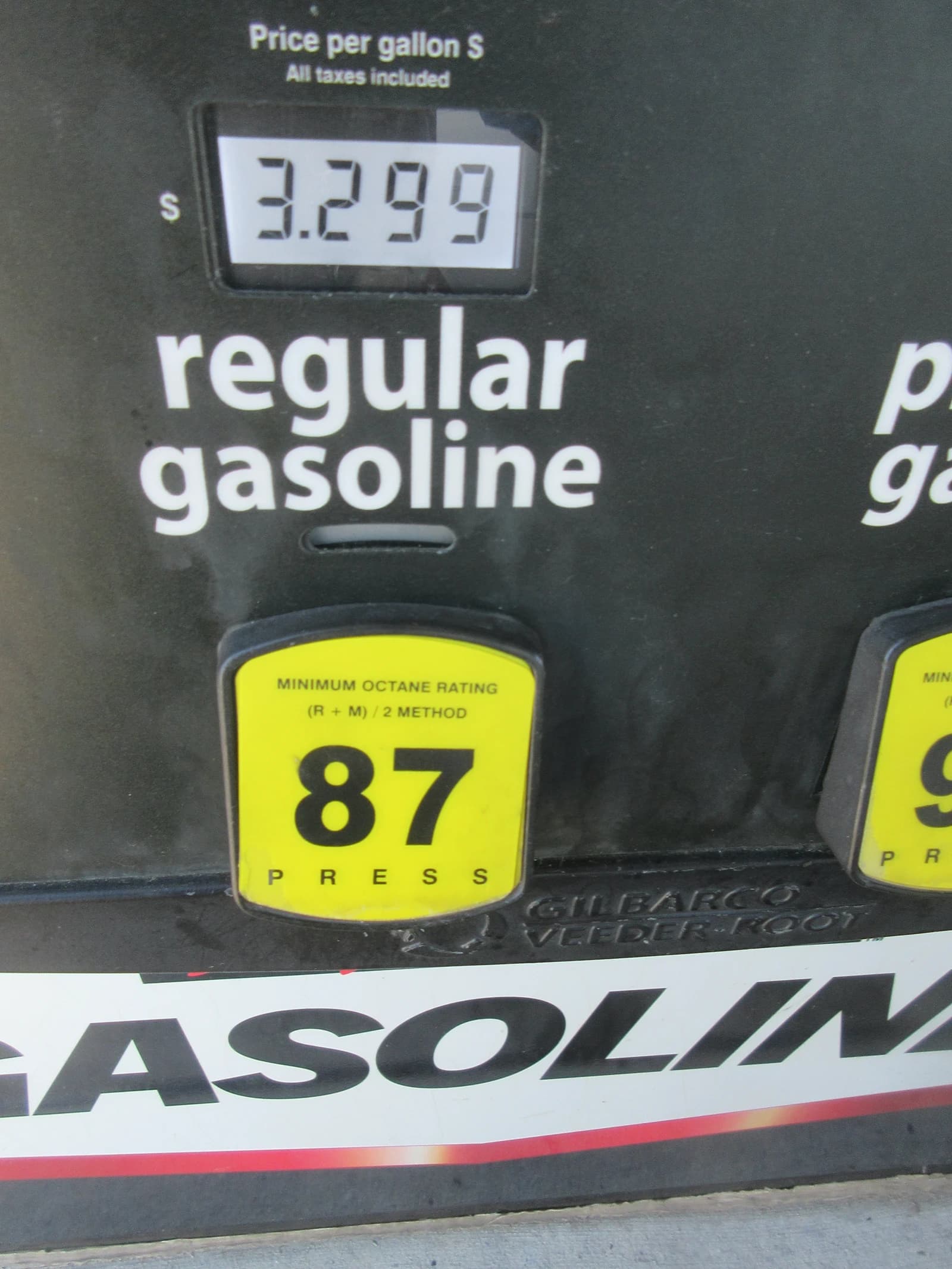
The shift matters because Costco’s pricing discipline has long been central to its brand and its traffic. Any change, even a quiet one, can ripple through warehouse economics, membership retention and the broader fight for the value-conscious consumer. With the stock trading near $930, below its 50-day moving average of roughly $932 and well under the 200-day average near $960, investors are also treating the company as a test case for whether premium retail valuations can hold if pricing power becomes more visible.
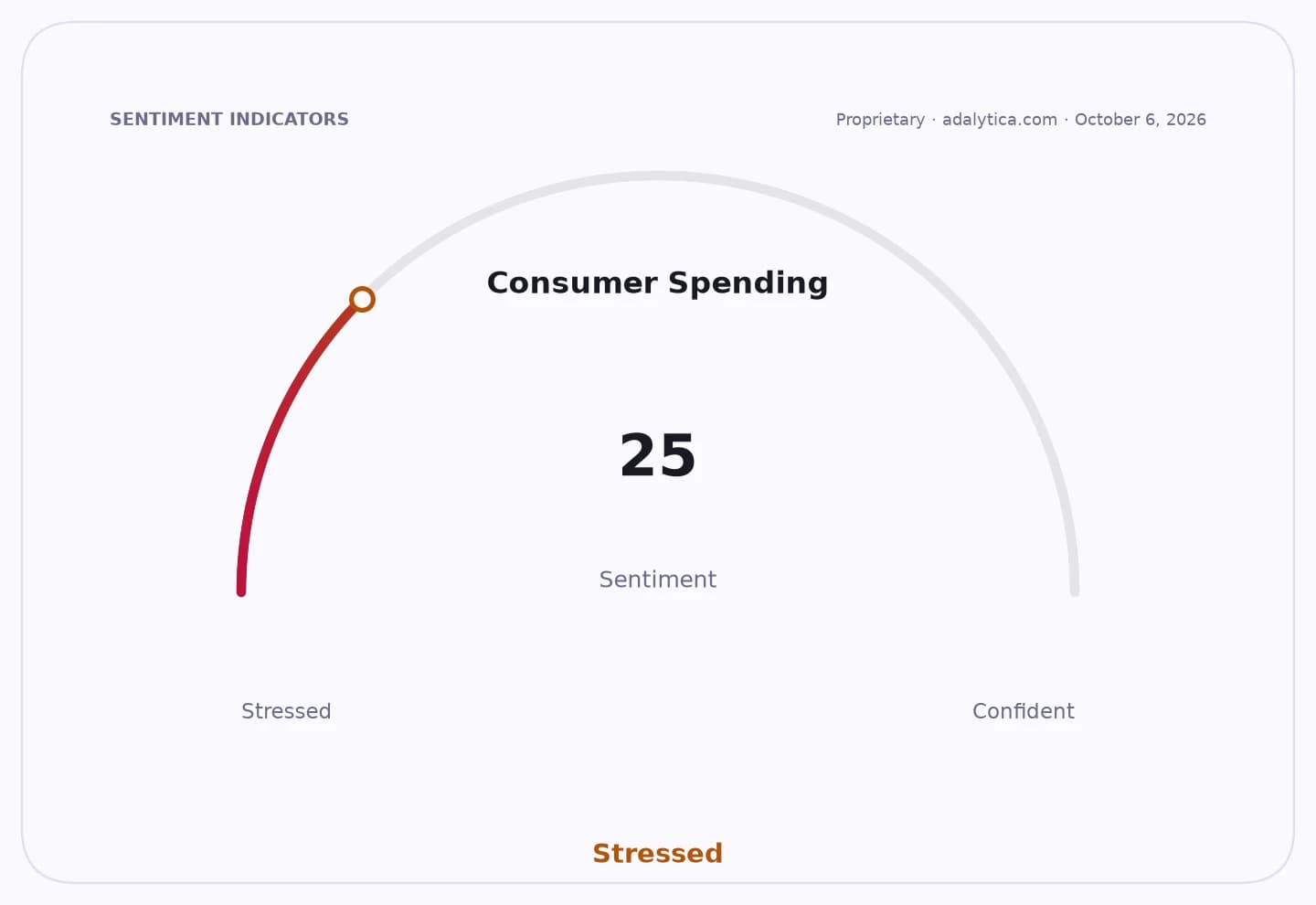
Sentiment IndicatorsⓘProprietary · adalytica.com · October 6, 2026
This is a snapshot — live sentiment, awareness and momentum for 130+ markets update continuously in the dashboard.Open AlphaPulse
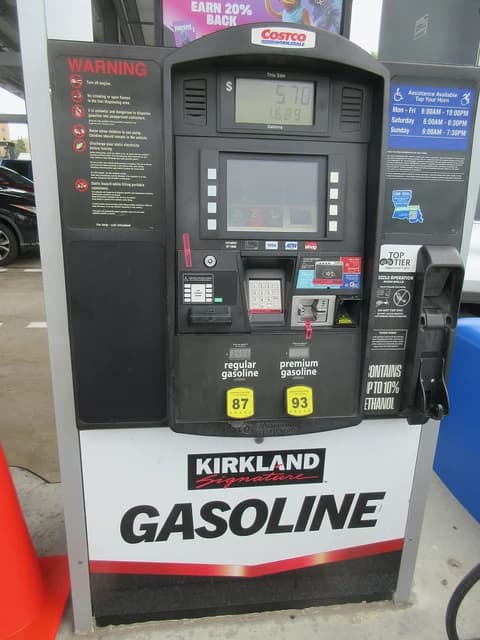
What appears to be happening is less a retreat from the value model than a recalibration. Costco has historically defended its reputation for “pricing authority” by keeping margins thin and using traffic volume, supplier leverage and membership renewals to drive profit. But inflation is still uneven across the consumer basket, and the latest retail backdrop points to pressure points in food, logistics and household essentials. That gives large retailers room to nudge prices in selected categories without openly abandoning their value pitch.
The economics are straightforward. A modest price increase across a high-volume club model can have an outsized effect on gross profit if members keep buying through the change. For Costco, the risk is not just margin optics but member psychology. If shoppers begin to feel the warehouse is no longer meaningfully cheaper than Walmart or Target on key baskets, the company could see pressure on basket size or renewal sentiment.
That comparison matters because Walmart has been winning investor attention as a defensive consumer name, with its shares around $106 and sentiment readings on Adalytica’s gauge at “Extreme Greed.” Walmart’s scale gives it flexibility to absorb pricing pressure and use grocery traffic to protect share. Target, meanwhile, has been much more volatile, and its stock near $154 reflects a recovery that remains more fragile than Walmart’s. Costco sits between those models: it has better pricing credibility than Target, but less everyday grocery leverage than Walmart.
Technical signals suggest Costco’s share price has cooled from earlier strength rather than breaking down outright. The stock’s RSI reading of 72.5 indicates it was recently overbought, even as the MACD has moved closer to a less negative profile. That combination usually points to a stock consolidating after a strong run, not necessarily re-rating sharply lower. Still, the fact that Costco is hovering near its 50-day average while the 200-day remains above current trading levels suggests investors are waiting to see whether any pricing change dents the company’s value premium.
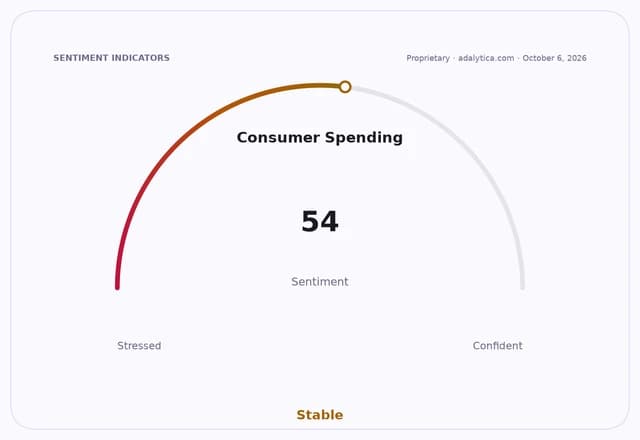
Adalytica’s Consumer Spending Sentiment snapshot was neutral at 54, after swinging sharply over the past few days, underscoring the mixed demand environment retailers are operating in. That makes selective price increases easier to implement than broad-based hikes, but it also means consumers may react quickly if they sense shelf-price drift in a category they track closely.
The bull case is that Costco is simply doing what strong retailers do: protecting profitability where demand is resilient enough to absorb it. The bear case is that even a subtle change could erode the trust premium that supports its membership model and valuation.
For investors, the key question is not whether Costco can raise prices — it can — but whether it can do so without weakening the perception that its warehouses are still the cheapest place to shop. If the answer is yes, the company preserves its moat. If not, the market may begin to price Costco more like a mature retailer than a near-invincible compounder.
| Entity | Gains | Losses |
|---|---|---|
| Costco | ▲Margins and pricing flexibility | ▼Value-brand credibility |
| Members | ▲Better inventory access | ▼Higher basket costs |
| Walmart | ▲Traffic from price-sensitive shoppers | ▼Less pricing differentiation for Costco |
| Target | ▲Less direct pressure from Costco value comparisons | ▼Harder to defend value proposition |