Cotton prices have climbed to their highest level in two years, adding another source of pressure to a global agricultural complex already strained by drought, trade friction and higher input costs.
Cotton Prices Hit Two-Year High
The move matters because cotton sits at the intersection of consumer inflation, apparel margins and farm incomes. When soft-commodity prices rise alongside sugar, wheat and rice, the effect can ripple through supply chains from growers to clothing brands, increasing the likelihood that producers try to pass on higher raw-material costs to retailers and shoppers.
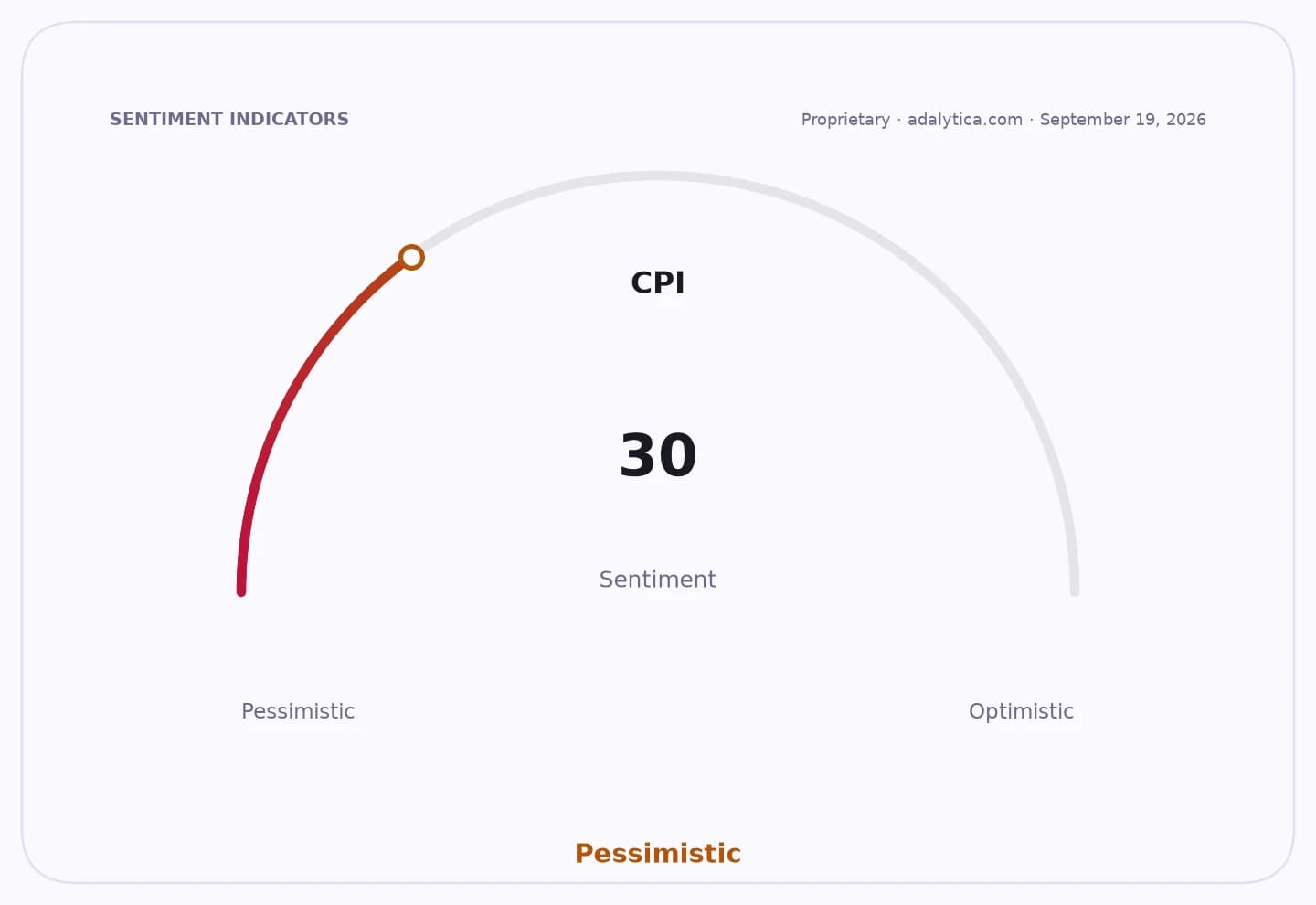
Sentiment IndicatorsⓘProprietary · adalytica.com · August 22, 2026
This is a snapshot — live sentiment, awareness and momentum for 130+ markets update continuously in the dashboard.Open AlphaPulse
The broader price backdrop in agricultural commodities has turned firmer. U.S. producer prices for raw cotton, tracked by the PPI for cotton and related crops, are forecast to rise to 289.769 in August from 284.057 in July, extending a rebound from earlier in the summer. The same period has shown agriculture prices moving back toward levels last seen in 2024 and 2025, while consumer-price expectations remain elevated, suggesting little cushion for food and fiber markets if weather or geopolitics worsen.
That is relevant for investors because cotton is a direct input for apparel and home-textile companies, and those firms are already flagging supply-chain volatility, tariffs and raw-material cost swings. Nike and Levi Strauss have both pointed to commodity-price and logistics risks in recent filings, while retailers such as TJX and Abercrombie & Fitch have emphasized sourcing flexibility as a key defense against margin pressure. A sustained cotton rally would test that flexibility, particularly if brands face resistance to price increases in a consumer environment that still looks fragile.
For farmers, higher cotton prices are a welcome offset after a period of uneven returns across crops. For manufacturers and retailers, they raise the odds of another round of margin compression unless demand is strong enough to support higher ticket prices. The key question now is whether the advance reflects a temporary squeeze in supply or the start of a broader inflationary leg across agricultural markets.
If weather disruptions, export constraints or renewed trade tensions persist, cotton could stay elevated and reinforce the case for firmer food-and-fiber inflation into the second half of the year. If not, the rally may prove another short-lived spike in a market still vulnerable to shifting global supply.
| Entity | Gains | Losses |
|---|---|---|
| Cotton growers | ▲Higher crop revenues | ▼None |
| Apparel brands | ▲None | ▼Higher input costs |
| Consumers | ▲None | ▼Higher clothing prices |
| Retailers | ▲Better supplier discipline | ▼Margin pressure |