A global cotton shortfall is spilling out of agriculture and into national security, tightening supplies for ammunition makers and forcing NATO countries to confront a vulnerability in a material long treated as a soft commodity.
Cotton Shortage Adds Defense-Supply Risk
The economic significance is that cotton is no longer being priced only as a textile input. In a period of geopolitical strain, it is now part of the industrial base that supports defense production, which raises the strategic value of inventory, export controls and sourcing policy. That shift matters for governments trying to maintain munitions output and for producers and traders whose market is becoming more policy-sensitive and less purely cyclical.
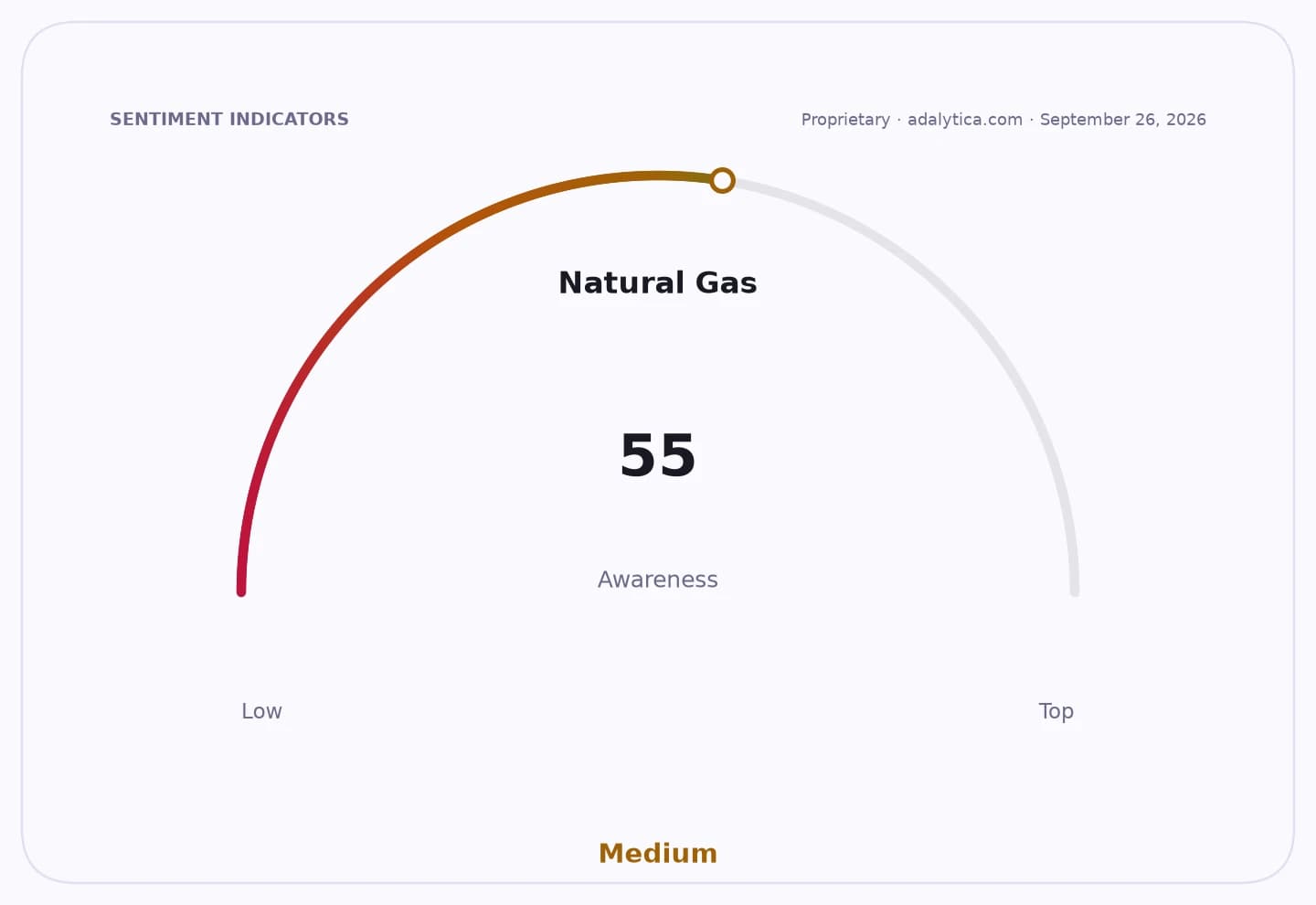
Sentiment IndicatorsⓘProprietary · adalytica.com · July 23, 2026
This is a snapshot — live sentiment, awareness and momentum for 130+ markets update continuously in the dashboard.Open AlphaPulse
The shortage reflects production falling below target just as demand is being pulled by defense needs and by broader supply-chain stress. That combination is making cotton scarce enough that officials and market participants are discussing restrictions on waste cotton exports to preserve domestic supply. For NATO economies, the issue is not just price inflation in a commodity market; it is the possibility that a raw-material bottleneck could slow ammunition manufacturing at a time when rearmament and stockpile rebuilding are already under way.
For investors, the story cuts in several directions. Cotton producers and holders of strategic inventory may benefit if governments keep supplies tighter for longer, while downstream manufacturers face margin pressure and sourcing risk. The case also argues for watching commodity trades through a security lens: materials with defense relevance can gain a geopolitical premium when supply becomes constrained. That may help explain why some strategists are drawing countercyclical links between cotton and other supply-sensitive assets.
The broader market backdrop suggests caution rather than a clean bullish thesis. Adalytica’s trade signals show the US dollar with strong positive momentum, while consumer-spending sentiment has weakened sharply in the latest reading, a combination that typically worsens conditions for import-dependent buyers and commodity users. The S&P 500 signal remains neutral, implying investors have not yet fully repriced the defense-supply chain risk into equity markets.
The implications reach beyond NATO. Benin’s €100 million agreement with Europe to support cotton and other crops underscores how producing countries are trying to lock in supply relationships at a time when strategic demand is rising. If shortages persist, governments may move from market intervention to industrial policy, and cotton could join the list of commodities shaped as much by security concerns as by weather and acreage. Investors will be watching harvest data, export rules and defense procurement schedules for signs that the shortage is easing — or becoming a structural feature of a more militarized trade environment.
| Entity | Gains | Losses |
|---|---|---|
| Cotton producers | ▲Stronger pricing power | ▼— |
| NATO militaries | ▲— | ▼Ammunition supply risk |
| Export-reliant suppliers | ▲Higher strategic demand | ▼Trade restrictions |
| Defense manufacturers | ▲Inventory buffers gain value | ▼Raw-material costs rise |