Credit card borrowers can still buy nearly two years of breathing room, with top balance transfer cards offering up to 21 months at 0% intro APR as average card debt holds at $6,610 and typical rates remain near 22%.
Credit card balance transfer offers reach 21 months
That matters because revolving balances are still expensive even after the Federal Reserve’s easing cycle. With the fed funds rate forecast around 3.726% for October and high-yield credit spread readings near 3.24 percentage points, lenders are still offering aggressive promo terms to win borrowers, but the cost of carrying debt after the teaser period remains punishing.
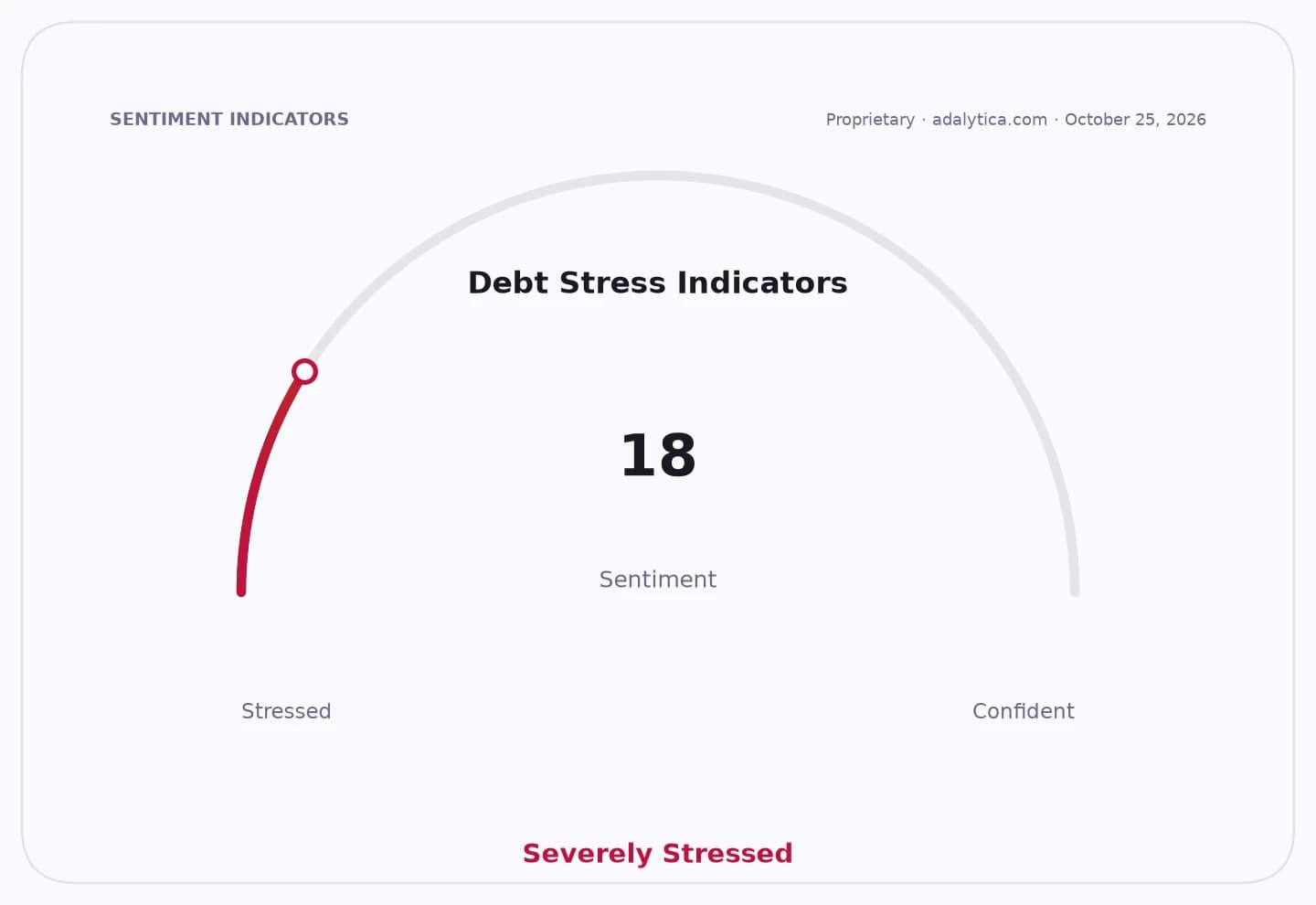
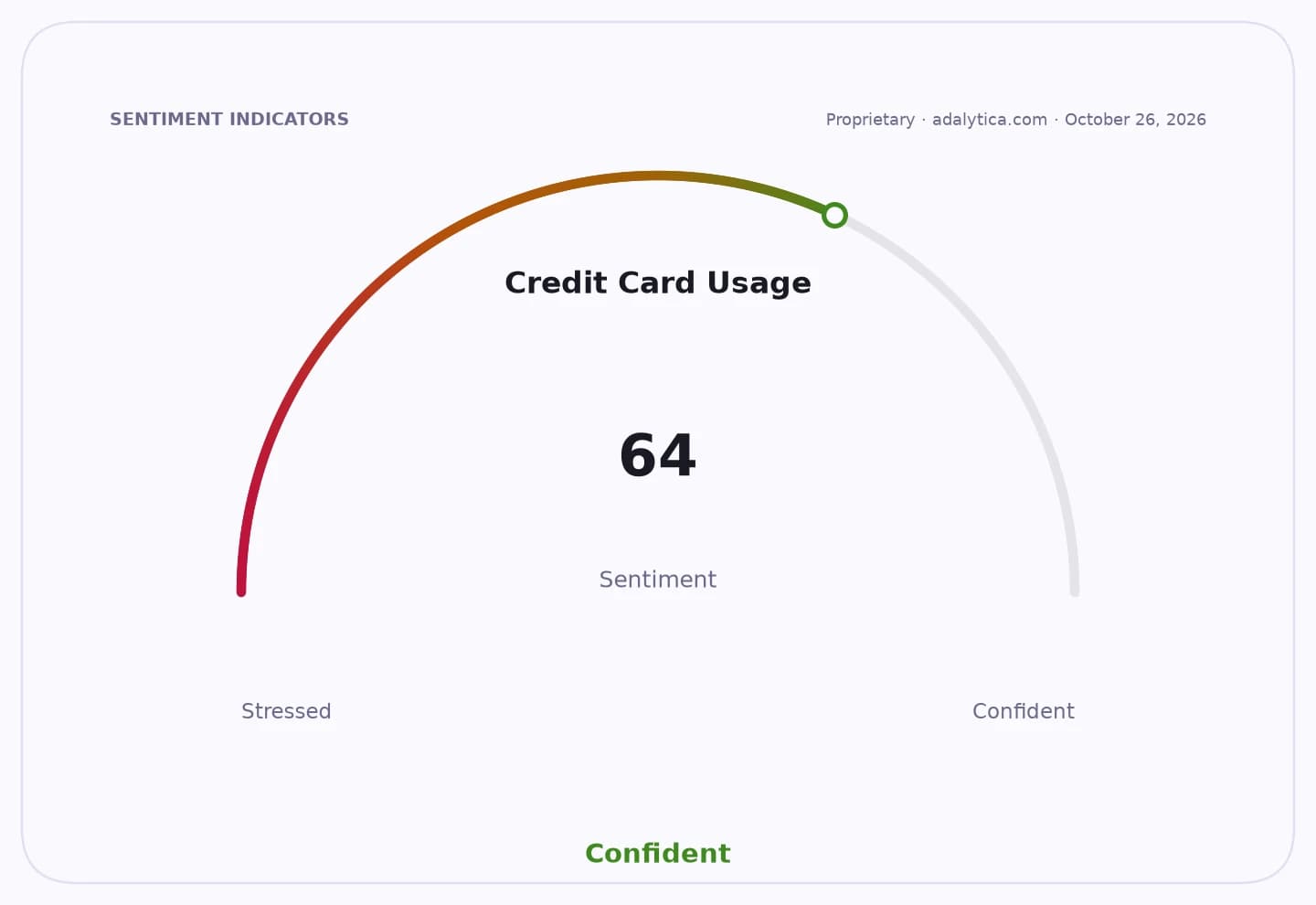
Sentiment IndicatorsⓘProprietary · adalytica.com · October 19, 2026
This is a snapshot — live sentiment, awareness and momentum for 130+ markets update continuously in the dashboard.Open AlphaPulse
The savings are material. Moving the average balance to a 21-month 0% card can save about $1,500 even after a 5% transfer fee, according to the research cited in the ranking, and the cheapest transfer fee in the list is Citi Diamond Preferred’s 3% introductory charge if the transfer is completed within four months.
The strongest offers now cluster around Citigroup, Wells Fargo and Chase. Citi Diamond Preferred, Wells Fargo Reflect and Chase Slate each carry 21-month no-interest windows, while Citi Double Cash offers 18 months on balance transfers and Bank of America’s Customized Cash Rewards card gives 15 billing cycles, but only on transfers made within the first 60 days.
For investors, the story is less about consumer frugality than credit demand. Balance transfer promotions help card issuers keep customers in the pipeline, but they also highlight how sticky household borrowing remains after years of elevated rates and inflation, a backdrop that is still feeding demand for debt relief and refinancing products.
That backdrop is showing up in market signals around credit stress. Adalytica’s household debt stress reading sits at 82, while its nonfarm payrolls sentiment gauge is at 100, suggesting a labor market that still looks sturdy enough to support spending even as borrowers hunt for cheaper ways to manage revolving debt.
For cardholders, the math still matters most: the best choice depends on how quickly the balance can be paid down before the promo expires. For banks, the next test will be whether competition for transactors intensifies as consumers look to escape double-digit APRs without losing access to rewards and credit access.
| Entity | Gains | Losses |
|---|---|---|
| Cardholders with high APR debt | ▲Lower interest costs | ▼Balance transfer fees |
| Citi, Wells Fargo, Chase | ▲New balances and accounts | ▼Short-term promo margins |
| High-balance revolvers | ▲More time to repay | ▼Fee drag if payoff slips |
| Credit card issuers without 0% offers | ▲Less customer capture | ▼Share to promo-heavy rivals |