Americans are heading into the holiday season with a familiar financial trap waiting in the wings: more spending, more borrowing and, for many households, a harder time paying the bill once January arrives.
Holiday Debt, Credit Cards, and Consumer Spending
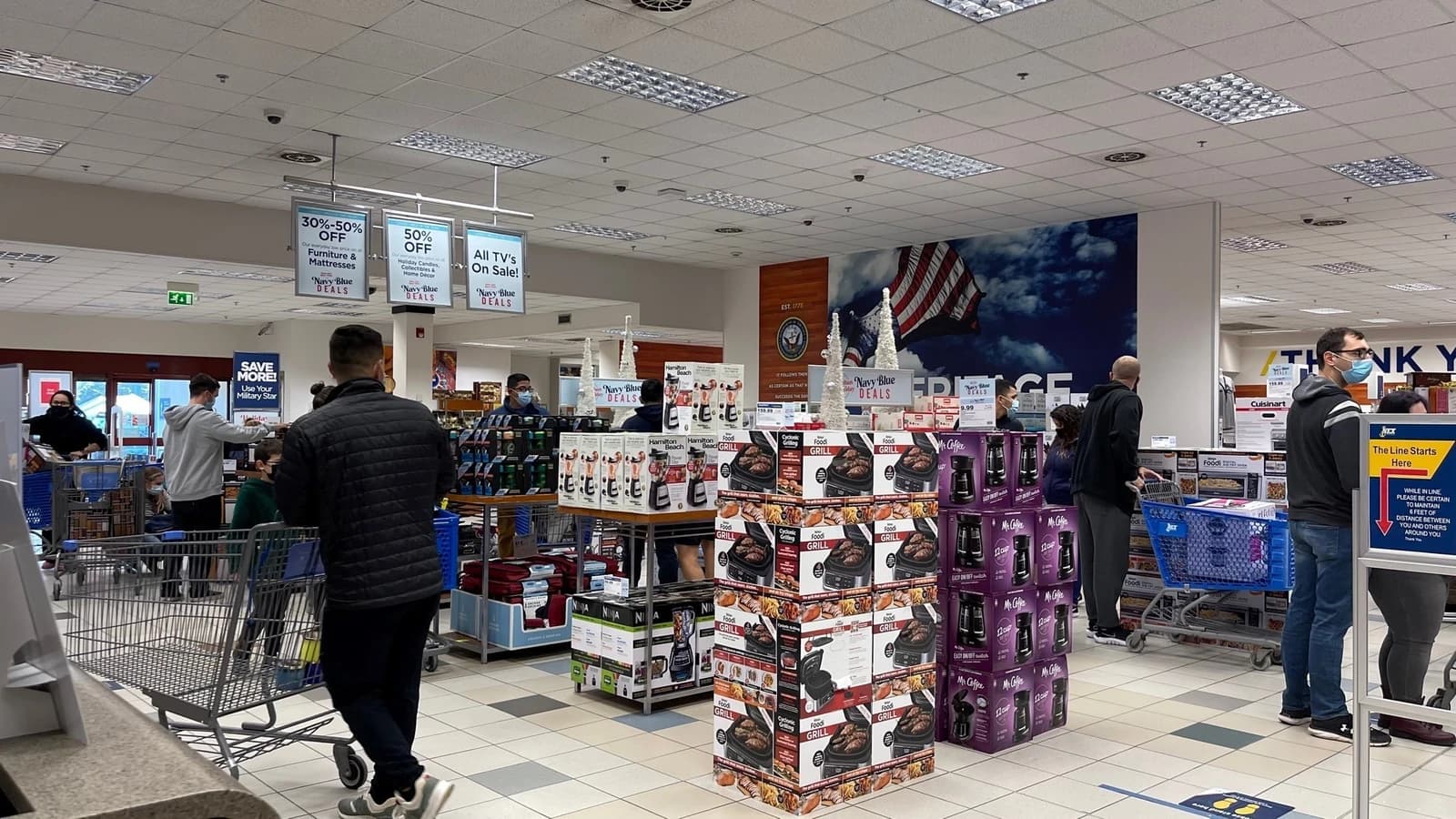
That matters because holiday debt is not just a personal budgeting problem — it’s a small but revealing window into the health of the consumer. When families lean on credit cards to cover gifts, travel and celebrations, they are effectively borrowing against future spending power. That can pressure budgets well into the new year, slow discretionary purchases and make lenders more cautious if delinquency trends worsen.
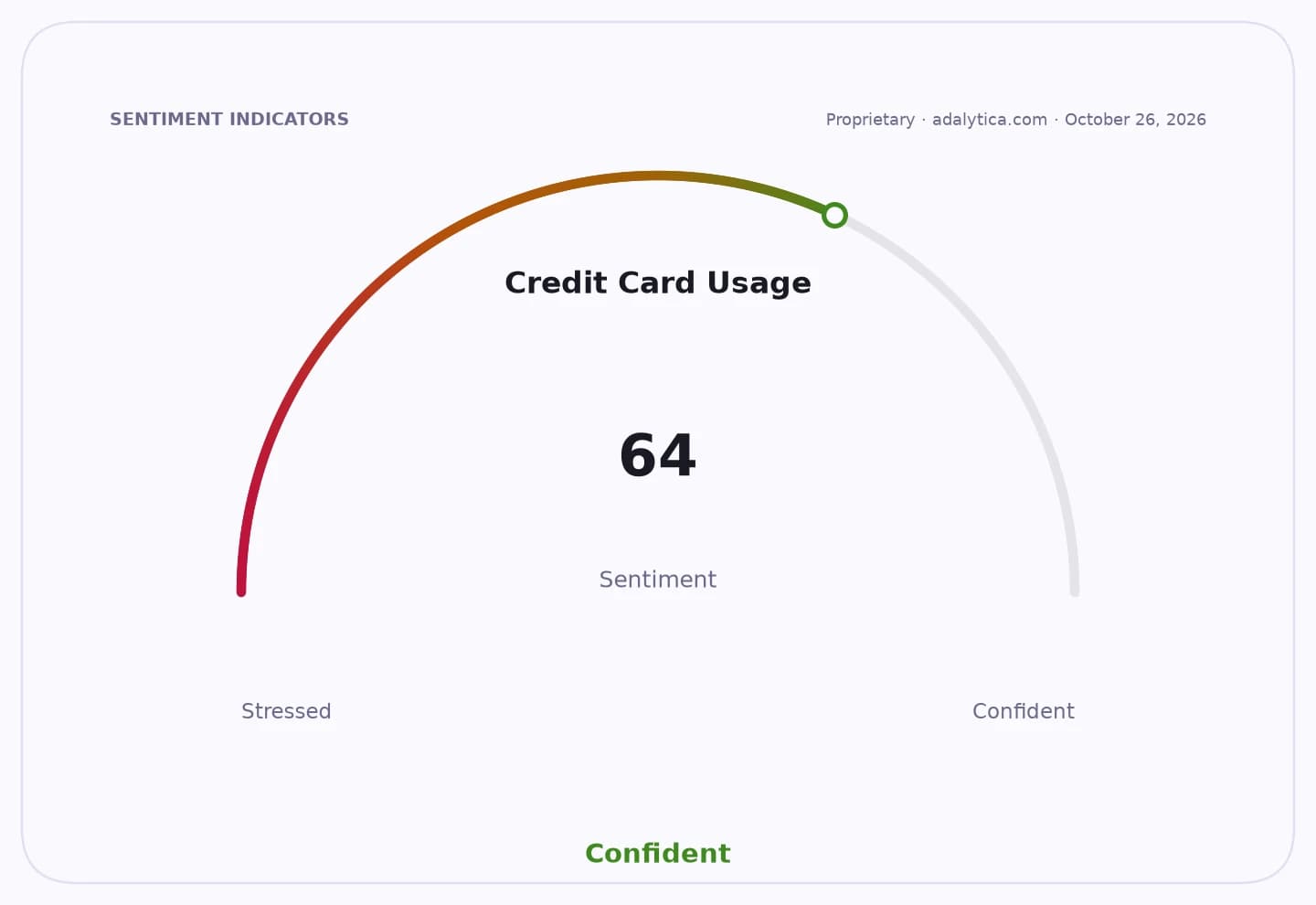
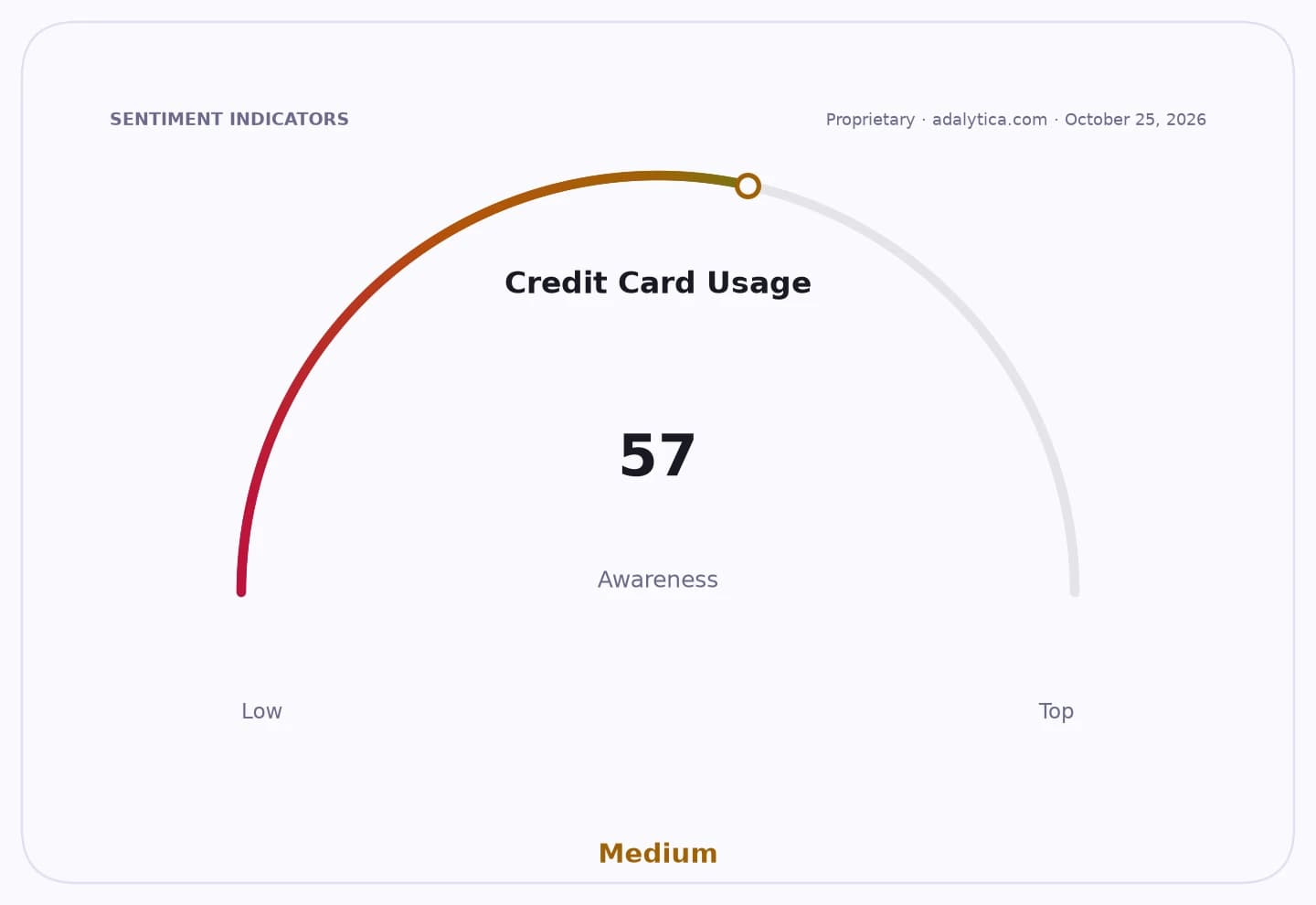
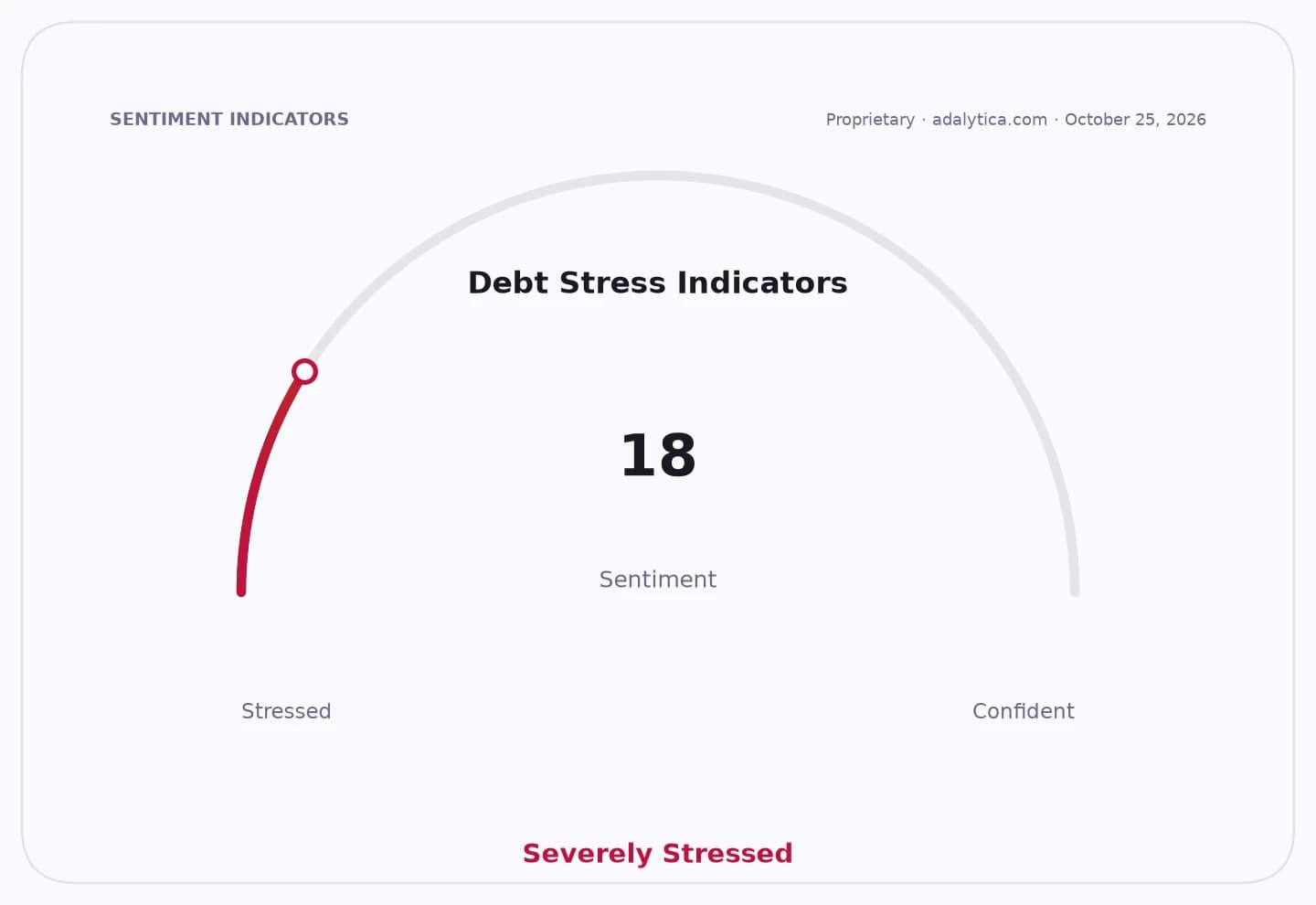
Sentiment IndicatorsⓘProprietary · adalytica.com · October 26, 2026
This is a snapshot — live sentiment, awareness and momentum for 130+ markets update continuously in the dashboard.Open AlphaPulse
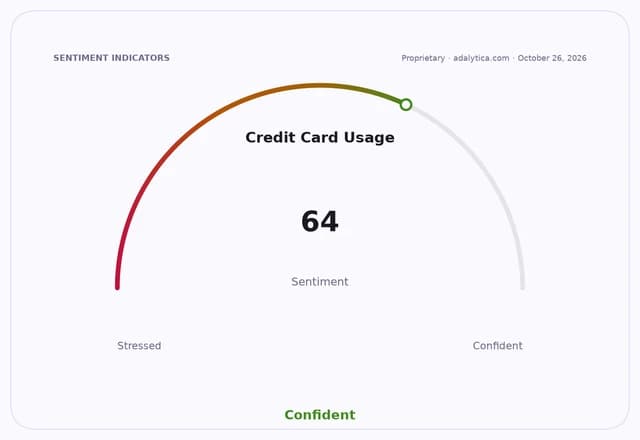
The scale is easy to underestimate. Americans spend more than $1,450 a year on holiday-related purchases, according to the context here, and those costs often land on revolving credit. The Federal Reserve’s benchmark rate is forecast around 3.726%, still high enough to keep borrowing costs meaningful for households carrying balances. High-yield credit spreads, meanwhile, have been hovering around 3.3%, a reminder that markets are still watching credit risk closely even as conditions stabilize.
For investors, the story runs through the consumer finance complex. Capital One Financial and Synchrony Financial sit closest to the holiday borrowing cycle, and both stocks have been volatile as traders reassess credit quality and loan growth. Capital One’s recent price action has shown the strain of that debate, while Synchrony’s shares have also moved sharply as investors weigh charge-offs against resilient card spending. The latest sentiment data from Adalytica points to a market that is still nervous: credit card usage sentiment is neutral, but household debt stress remains in fear territory even after recent swings.
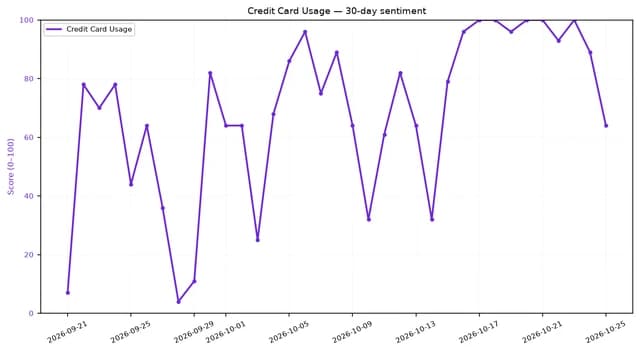
That tension is the real narrative here. Consumers want to keep spending through the holidays, but the cost of carrying that spending has not disappeared. Synchrony’s latest filing showed credit card net charge-offs of 4.77% in the third quarter, a sign that lenders are still managing elevated losses even if the broader system is not flashing crisis. In other words, holiday borrowing may support sales in the short run, but it can also set up repayment pain later.
For long-term investors, that means two things. First, households that budget early and pay down balances quickly are far better positioned than those who roll holiday purchases into expensive revolving debt. Second, the lenders and payment networks exposed to consumer borrowing can remain attractive businesses over a full cycle, but only if credit quality stays contained. That makes diversification, patience and an eye on balance-sheet discipline far more important than chasing every seasonal spending burst.
Holiday debt is worth watching, not because it will redefine the market overnight, but because it shows whether consumers are still resilient enough to keep spending without breaking their own finances. If they can, retailers and card issuers benefit. If they can’t, the pain shows up later in delinquencies, weaker spending and more cautious credit markets.
| Entity | Gains | Losses |
|---|---|---|
| Holiday shoppers who budget early | ▲Lower interest costs | ▼Less financial stress |
| Credit card lenders | ▲More interest income | ▼Higher charge-off risk |
| Retailers and travel companies | ▲Stronger holiday sales | ▼Weaker January demand |
| Indebted consumers who carry balances | ▲Immediate spending flexibility | ▼Expensive debt rollover |