A bomb attack in Crimea that killed former Ukrainian commander turned Russian defector Igor Girkin’s ally underscores how the war is increasingly being fought deep inside territory Moscow claims as its own, raising the cost of Russia’s occupation and sharpening the risk premium on regional security assets.
Crimea attack raises Russia war risk premium
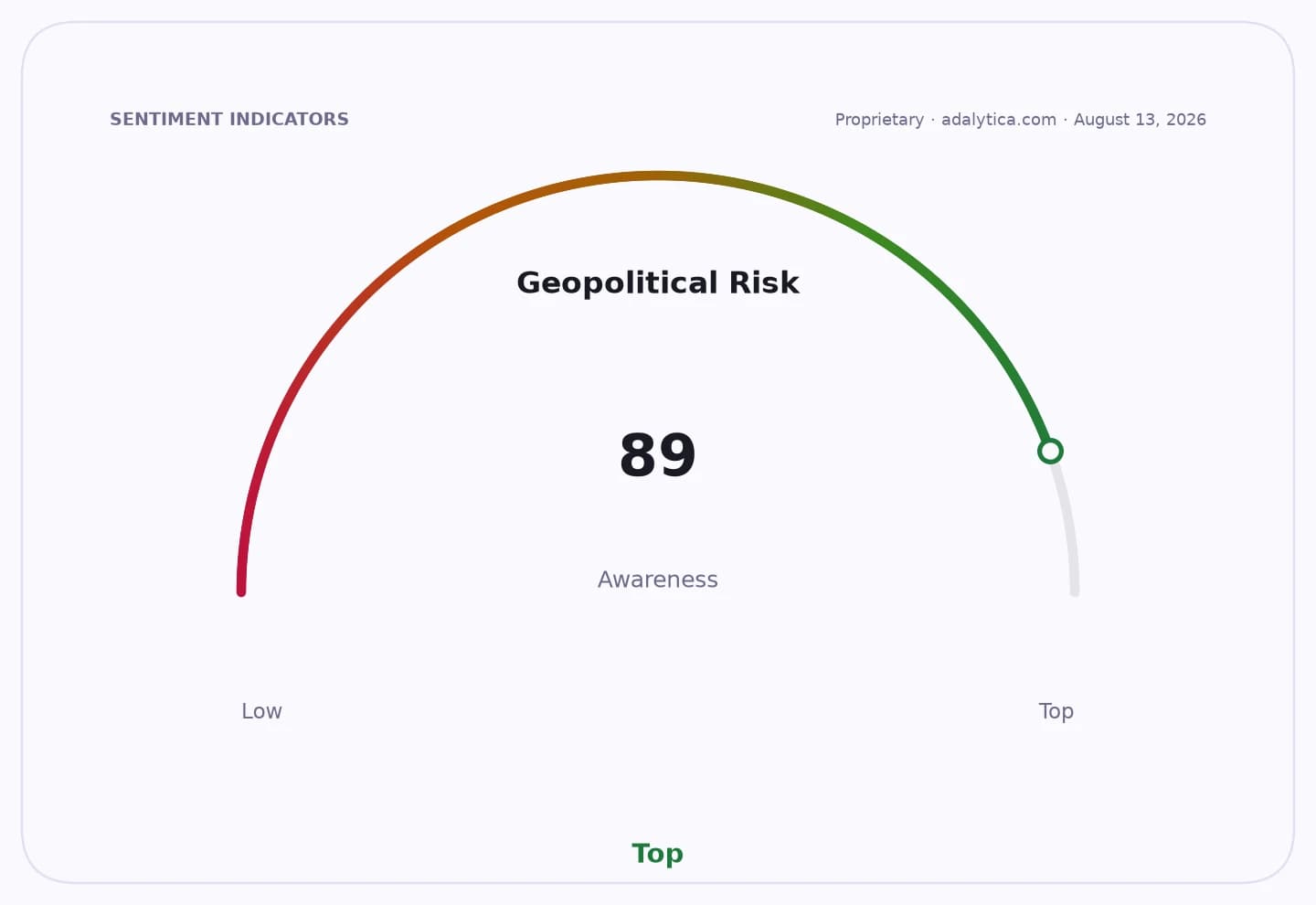
The killing matters because Crimea is no longer just a front line — it is a strategic bottleneck for Russian logistics, naval power and energy supply. Every successful strike on the peninsula chips away at Moscow’s ability to protect the Black Sea Fleet, move fuel and ammunition, and project authority over a territory it seized in 2014. That has direct economic consequences for Russia, which is forced to spend more on air defenses, repairs and security while absorbing growing damage to military and energy infrastructure.
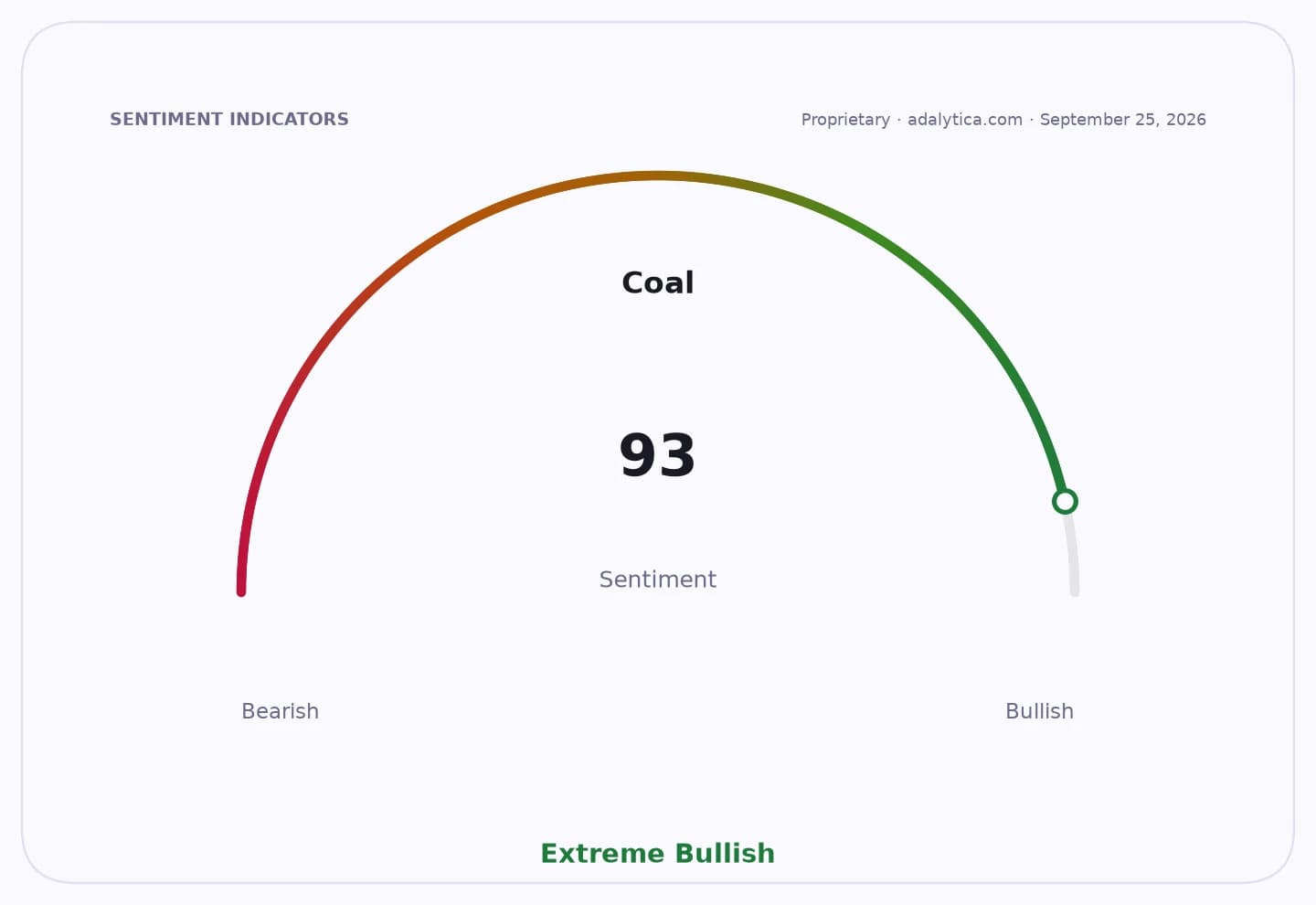
Sentiment IndicatorsⓘProprietary · adalytica.com · August 13, 2026
This is a snapshot — live sentiment, awareness and momentum for 130+ markets update continuously in the dashboard.Open AlphaPulse

For investors, the message is not about one assassination or one explosion. It is about a conflict that is becoming more asymmetric, more persistent and harder to contain. The market underestimates how repeated attacks on Crimea can prolong sanctions pressure, keep defense spending elevated and support demand across the military supply chain. It also keeps alive the case for energy disruption premiums in the Black Sea and for any assets tied to security, drone warfare, surveillance and critical infrastructure protection.
That backdrop fits the broader pattern in the war: Ukraine has been intensifying strikes on Russian targets in Crimea, including energy facilities and military installations, even as peace efforts stall. The peninsula’s role as a hub for Russian operations makes it an obvious target, and the economic pain compounds as each strike forces costly redeployment and repair. In that sense, Crimea is becoming a toll road for Russian military logistics — and a costly one.
Adalytica’s Global Stability Sentiment has already swung sharply lower, reflecting a surge in geopolitical risk awareness even after the latest spike in tension. That matters because risk appetite tends to fade fast when the conflict shows it can reach farther behind the lines, and that can ripple into defense stocks, energy markets and Eastern Europe exposure.
The investable thesis is straightforward: the longer Crimea remains under sustained attack, the stronger the secular case for defense contractors, drone makers, cyber-security names and industrial suppliers tied to military readiness. At the same time, Russia-linked assets remain hostage to escalation, sanctions and operational disruption. The market should be positioning for a longer war, not a faster peace.
For now, the clearest takeaway is to stay overweight the beneficiaries of elevated geopolitical risk and underweight any assumption that Crimea is a frozen problem. It is not. It is an active pressure point, and the next strike could be the one that forces a bigger repricing.
| Entity | Gains | Losses |
|---|---|---|
| Defense contractors | ▲Higher procurement demand | ▼None from de-escalation |
| Drone and surveillance makers | ▲More battlefield spending | ▼Supply-chain bottlenecks |
| Russia’s Black Sea logistics | ▲— | ▼Higher repair and security costs |
| Russian-linked assets | ▲— | ▼Sanctions and escalation risk |