Croatia is under renewed pressure to show it can withstand a major disruption after the European Commission urged households across the bloc to keep at least 72 hours of food, water and medicine on hand, exposing weak spots in the country’s emergency stockpiles, shelters and official readiness.
Croatia emergency stockpiles and shelters under review

The timing matters because the warning is no longer abstract. Brussels is pushing member states to build a culture of preparedness for blackouts, supply shocks, cyberattacks, natural disasters and security threats, and Croatia’s own record suggests it is not yet fully equipped for that test.
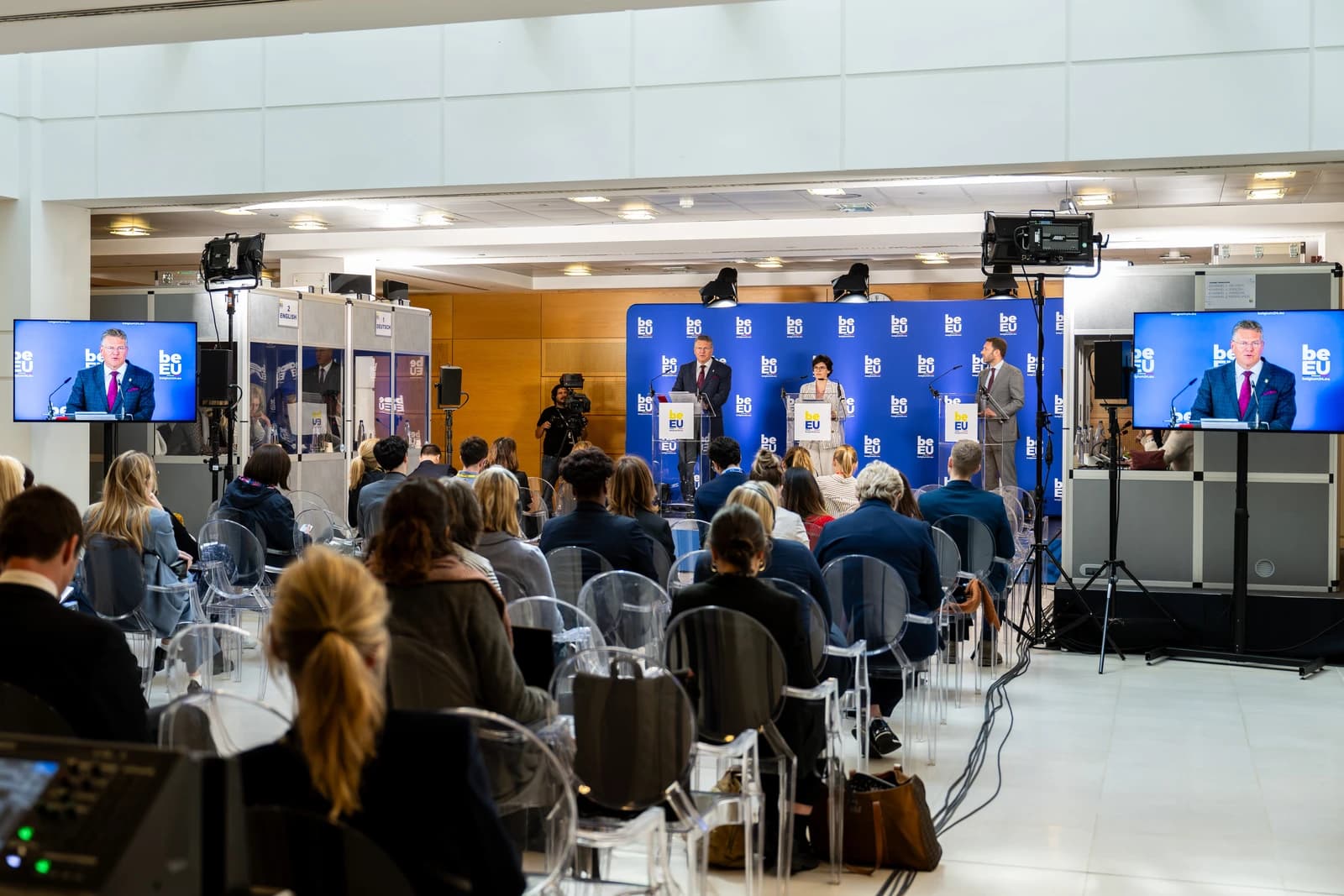
Government silence has sharpened the concern. Zagreb has not yet said whether it will adopt the new EU guidance or issue its own instructions, even as the Commission’s recommendations are meant to spur national authorities to strengthen contingency plans tailored to local risks.
That gap sits against a troubling domestic backdrop. A State Audit Office review in 2024 found serious shortcomings in the management of civil shelters: of 476 shelters across 14 cities, 306 were not being used regularly, some cities carried out only visual checks, and civil protection authorities lacked reliable, up-to-date data on shelter condition and equipment.
The audit also found municipal risk assessments did not cover threats such as war and terrorist attacks. Auditors issued 158 orders and recommendations and judged shelter management in seven cities and the civil protection service only partly effective.
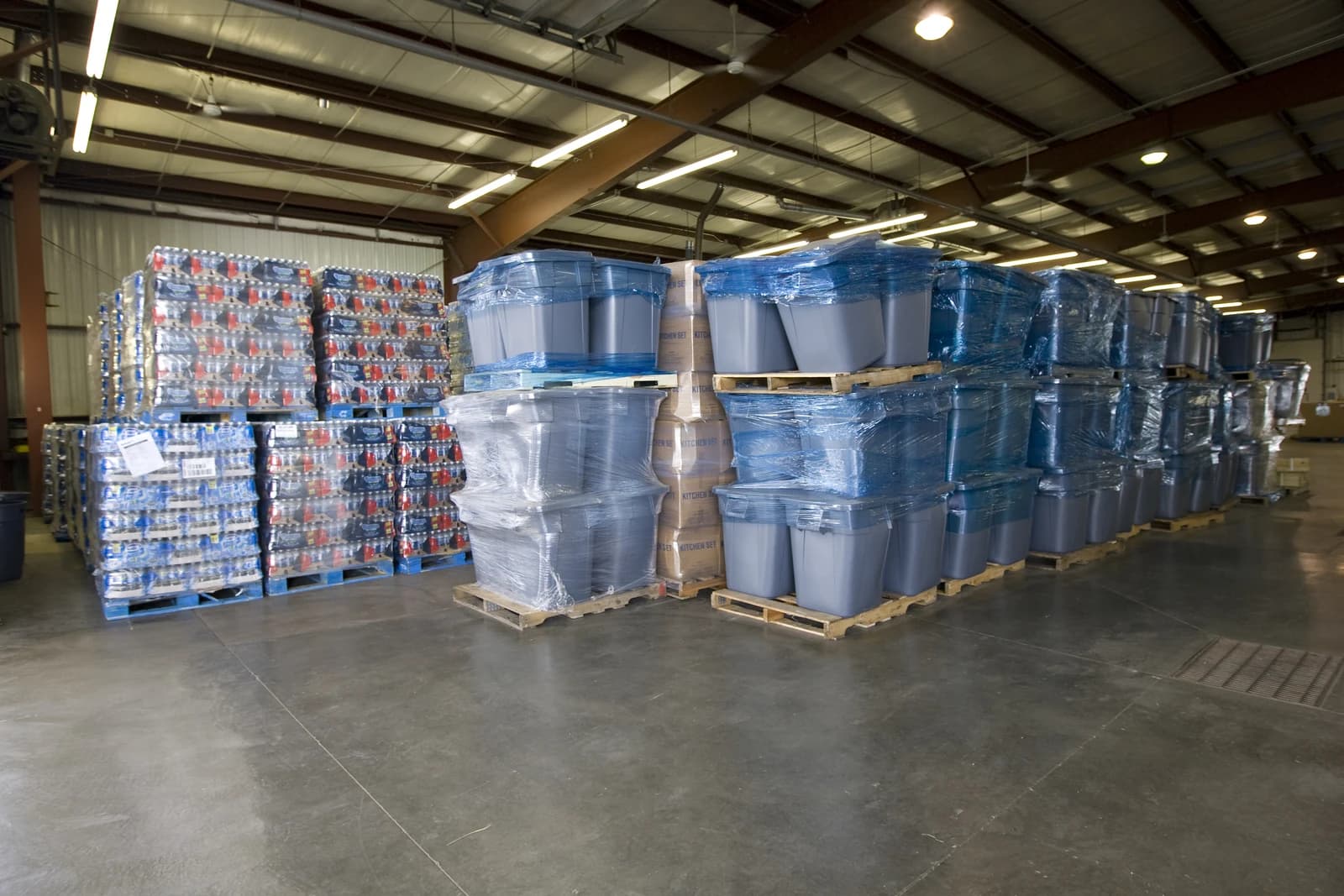
Croatia’s strategic stockpiles are also thinner than the legal framework implies. Government reporting for 2025 showed state reserves spread across 357 locations and valued at 93 million euros, up 6.87% from a year earlier, but overall planned stockpile fill was only 51.39%.
Food reserves were 72.4% filled and non-food reserves 81.75%, yet the country still had no recorded stocks of medicines, medical supplies or consumables in its strategic reserves at the end of 2025, despite those items being required by law.
Officials have long said the missing medicines have not been procured because of regulatory obstacles, with the Health Ministry yet to update the rules needed to buy them into reserve stocks. That leaves a critical vulnerability if a disaster, conflict spillover or prolonged infrastructure failure disrupts supply chains.
The issue is economically relevant because preparedness determines how quickly a shock turns into a broader social and market problem. In a country exposed to earthquakes, floods, fires, heatwaves and storms, weak reserves and underused shelters can magnify costs by delaying response, raising emergency spending and increasing pressure on transport, energy and healthcare systems.
Investors will also notice the connection to infrastructure resilience. Croatia has already experienced a major regional power failure, when a June 2024 blackout hit much of Dalmatia and parts of neighboring countries, disrupting transport, communications and daily life for about 200,000 users, according to the energy regulator.
That episode showed how quickly cross-border grid failures can propagate through the region, and why firms exposed to utilities, logistics, retail supply chains and public services care about backup capacity. For markets, the story is not just about civil defense; it is about whether the state can keep the basic operating environment stable when the next shock arrives.
| Entity | Gains | Losses |
|---|---|---|
| Croatian households | ▲Better crisis protection | ▼Greater burden to self-stock |
| EU Commission | ▲Stronger preparedness agenda | ▼Slow national follow-through |
| Croatia’s government | ▲Opportunity to act on resilience | ▼Criticism over silence and gaps |
| Utilities and essential services | ▲Potential for backup investment | ▼Higher scrutiny over outage risk |