Crude oil’s drop below $88 a barrel is more than a headline for drivers watching petrol and diesel bills — it is a reminder that energy markets remain a powerful swing factor for inflation, central banks and equity winners across the oil patch.
Crude Pullback Signals Rotation Beyond Energy
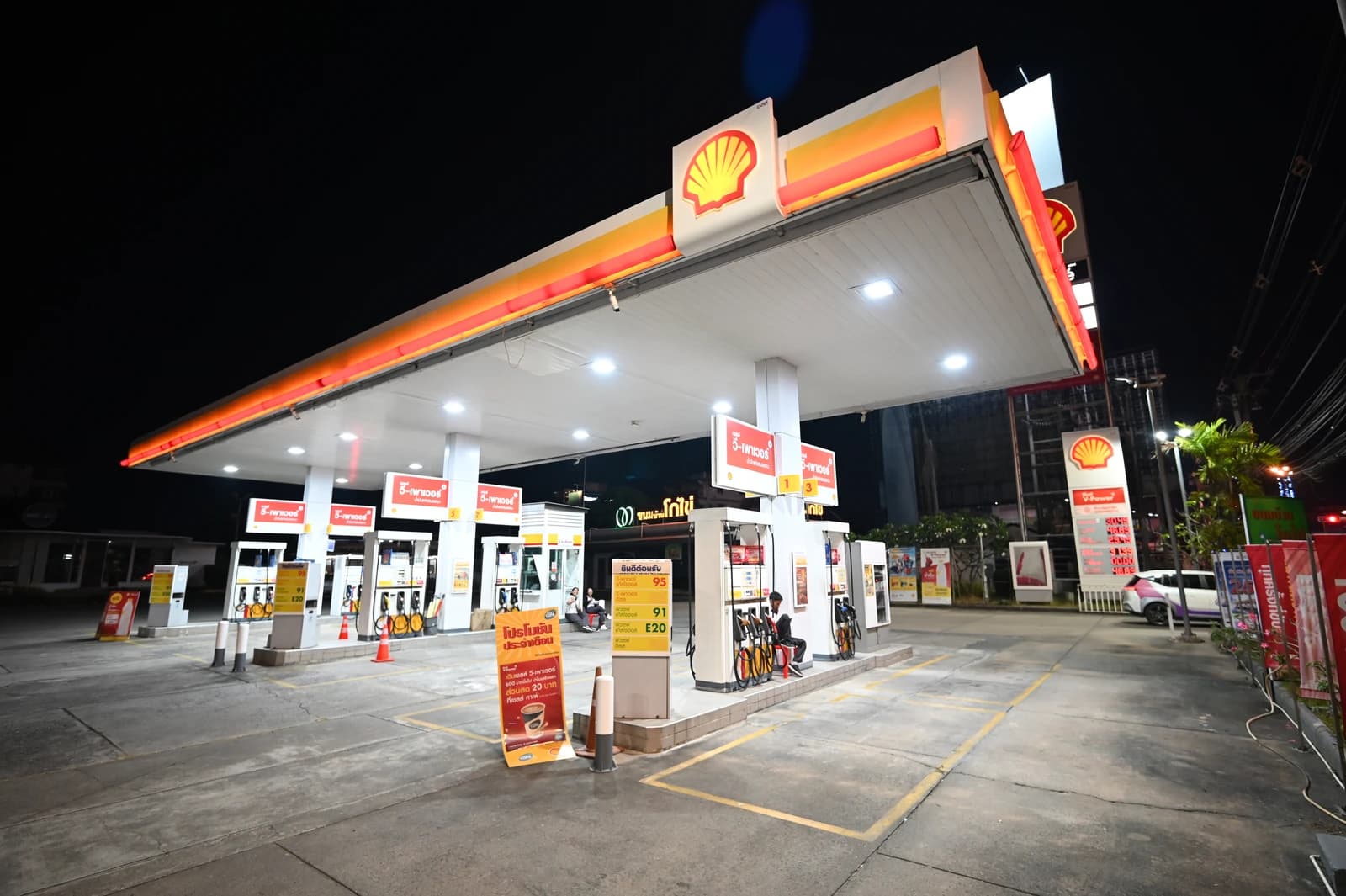
The move matters because gasoline and diesel follow crude with a lag, so every sharp leg lower in oil eventually feeds through to transport costs and consumer price pressures. That gives households a near-term break at the pump and gives policymakers a little more room to breathe on inflation, but it also threatens the earnings momentum that energy producers have enjoyed during the latest price surge.
Sentiment IndicatorsⓘProprietary · adalytica.com · July 28, 2026
This is a snapshot — live sentiment, awareness and momentum for 130+ markets update continuously in the dashboard.Open AlphaPulse
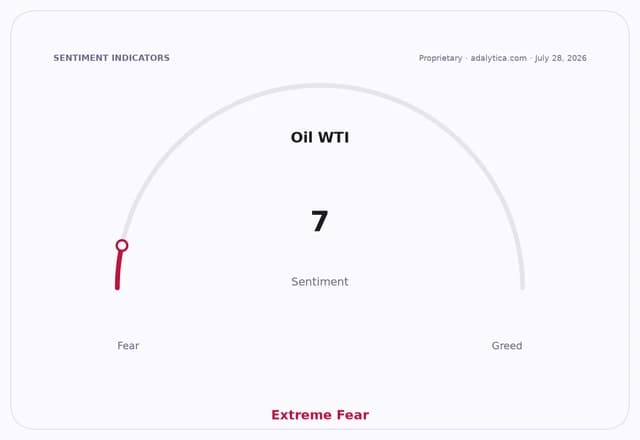
The market is still coming down from a violent run-up. West Texas Intermediate had climbed as high as $109.76 in early May before sliding to about $80 in mid-July, then rebounding sharply. The latest forecast has WTI at $84.98, but the bigger story is how fast sentiment has swung: Adalytica’s Oil WTI trade signals show “Extreme Fear” even as awareness remains “Extreme Greed,” a classic sign of a market still prone to whiplash.
That volatility is already visible in energy equities. USO, the oil ETF proxy, had spiked above its 50-day moving average and flashed extremely stretched RSI readings earlier this year before the recent pullback, while Exxon Mobil and Chevron have also been trading with elevated momentum and then sharp reversals as crude retraces. For investors, that means the easy trade is gone. The next opportunity is not chasing the barrel higher, but positioning for the second-order effects: refiners, fuel distributors, transport beneficiaries and the inflation-sensitive parts of the market that gain when energy cools.
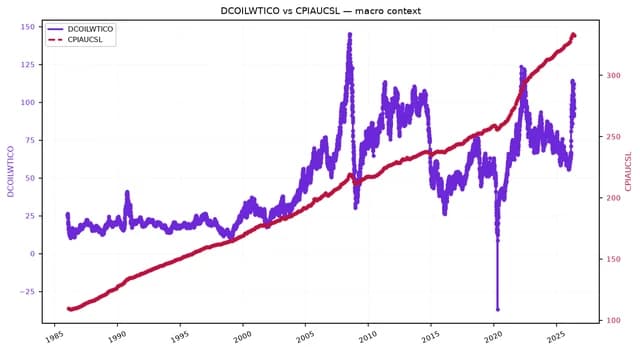
This is why crude below $88 matters economically. Lower oil eases headline inflation just as the CPI has been running in the low-330s on the latest readings, which can support consumer spending and reduce pressure on rate-setters. But if prices keep falling, the pain shifts to upstream producers, service companies and leveraged energy bulls who bought the geopolitical premium. In other words, the market underestimates how quickly oil’s direction can change the leadership board.
For investors, the playbook is clear: treat crude’s pullback as a rotation signal, not just a commodity call. Energy names may still have long-term cash-flow support, but the asymmetric opportunity now sits in the beneficiaries of cheaper fuel and in the companies insulated from commodity price resets. If crude stays under pressure, the next big move is likely to be in the stocks that gain from lower input costs and a less inflationary economy.
| Entity | Gains | Losses |
|---|---|---|
| Consumers / drivers | ▲Lower petrol and diesel costs | ▼None immediate |
| Airlines / transport | ▲Cheaper fuel input | ▼Oil hedge losses |
| Oil producers such as XOM and CVX | ▲Still strong cash generation | ▼Softer upstream pricing |
| Inflation-sensitive stocks | ▲Easier macro backdrop | ▼Less urgency for energy hedges |