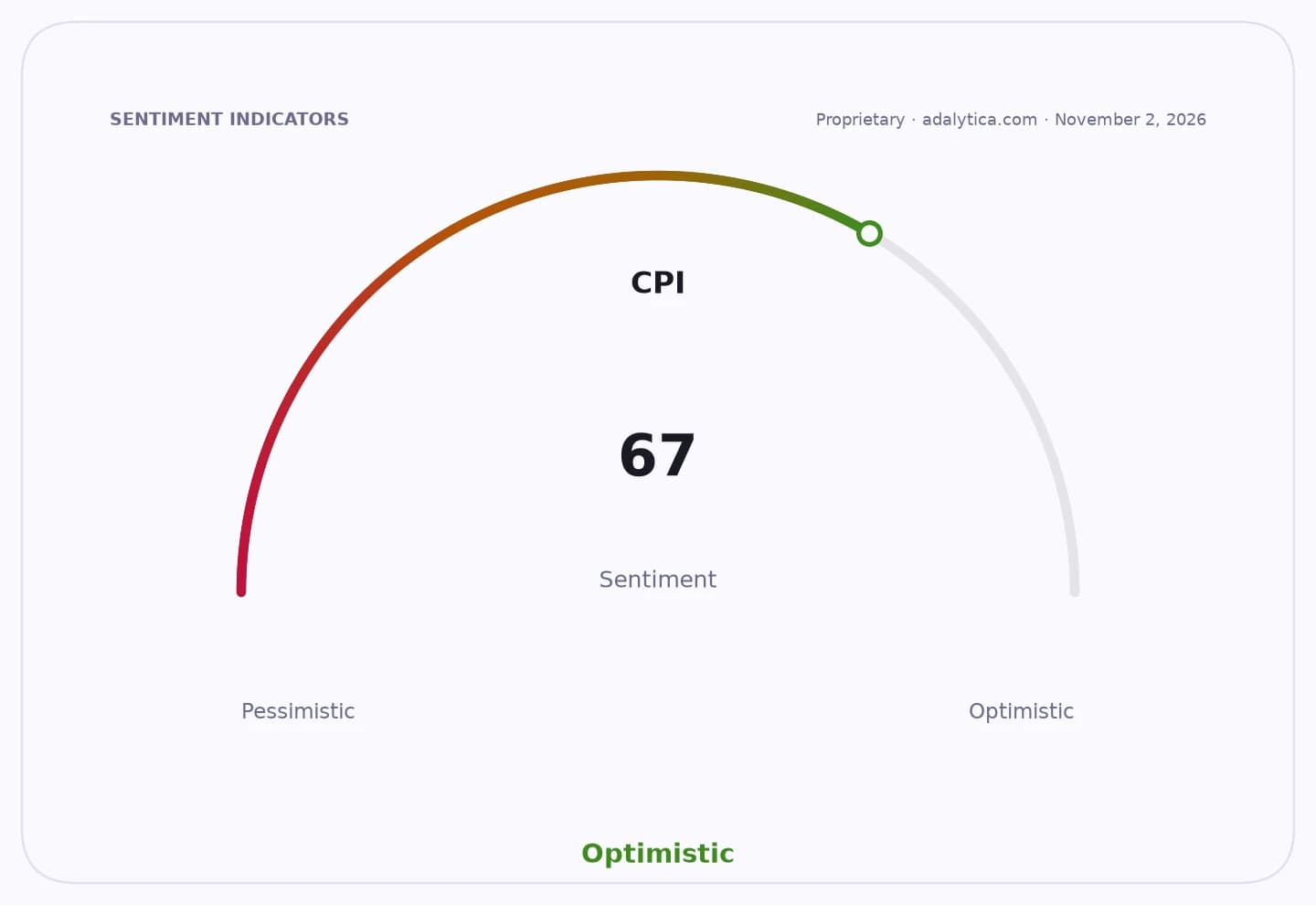
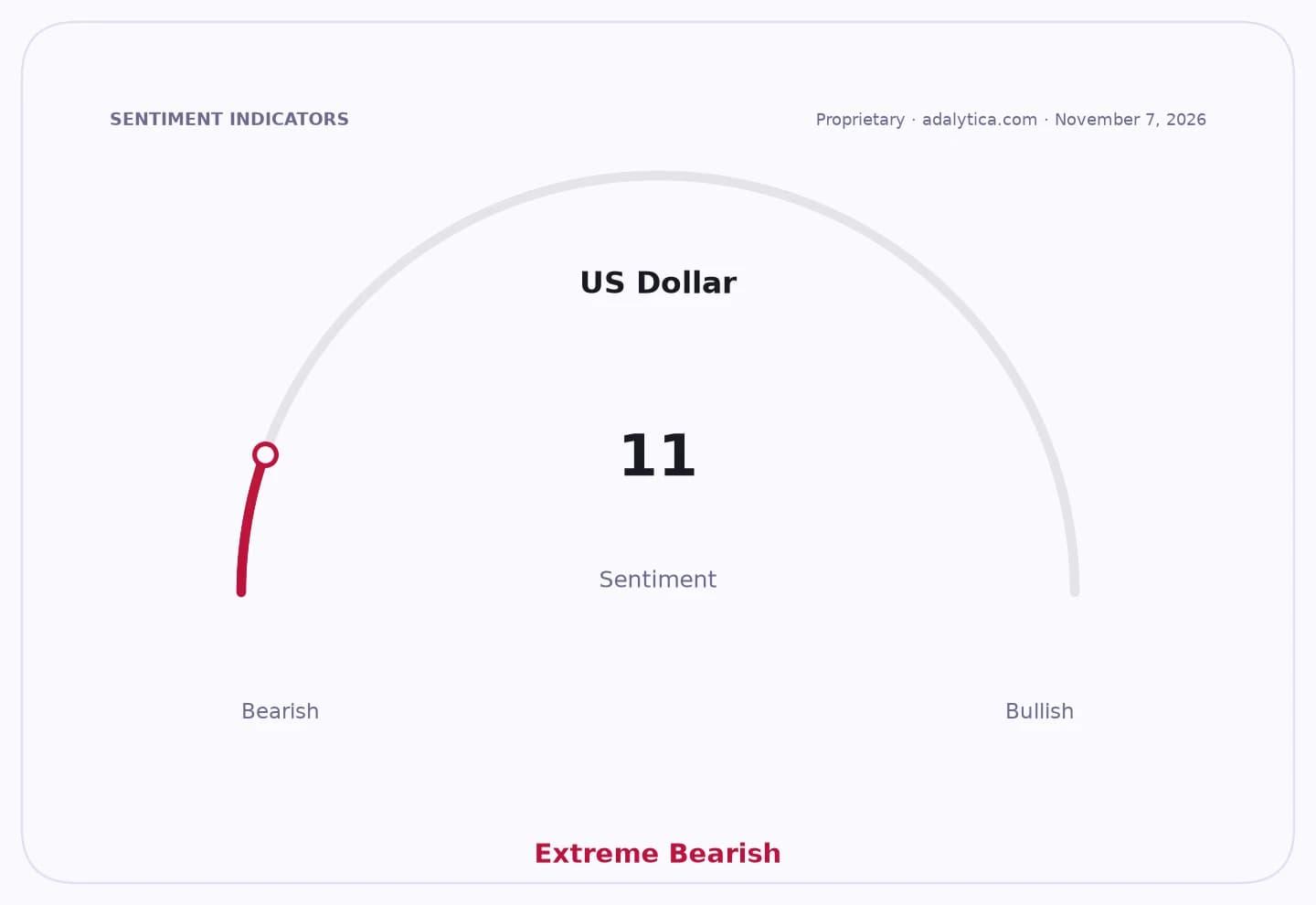
Cuba has put its largest banknote in history into circulation, a 20,000-peso bill that underscores how rapidly the peso has lost purchasing power as inflation, currency weakness and a worsening cash shortage squeeze the island’s economy.
Cuba circulates 20,000-peso note amid inflation
The new note is worth more than six monthly minimum wages, a sign that nominal wages and prices are moving far faster than the state can keep up with through income policy alone. For households, it means everyday transactions require ever larger stacks of cash; for the government, it reflects a monetary system under strain and a currency that buys less by the month.
Sentiment Indicators
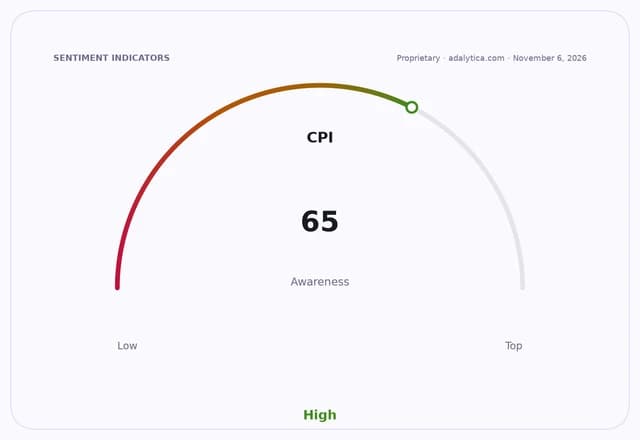
The timing also highlights how difficult it has become to manage the economy with physical cash. Cuba is already dealing with a sharp rise in the value of foreign currencies on the street, with the euro nearing 1,000 Cuban pesos and the dollar also climbing, widening the gap between the official system and the cash market that many Cubans actually use.
That gap matters because it affects prices, savings and the ability of businesses to restock. When the local currency weakens, import costs rise, wages lose value quickly and firms increasingly price goods in ways that reflect hard-currency scarcity rather than official exchange rates.
The 20,000-peso note is less a sign of monetary normalization than of deepening inflationary pressure. In practical terms, it can make wages and pensions easier to pay on paper, but it does not restore purchasing power or confidence in the peso.
For investors and companies with exposure to Cuba, the message is straightforward: the operating environment remains unstable, with continued currency volatility, limited liquidity and little sign of near-term relief from the broader economic squeeze. Any improvement would likely depend on a stabilization of foreign-exchange markets, a reduction in import bottlenecks or broader policy changes that Cuba has yet to deliver.
| Entity | Gains | Losses |
|---|---|---|
| Cuban government | ▲Easier cash payments | ▼Credibility of the peso |
| Households | ▲Larger notes for transactions | ▼Purchasing power |
| Importers and retailers | ▲More flexible cash handling | ▼Higher replacement costs |
| Savers in pesos | ▲None | ▼Real value of savings |