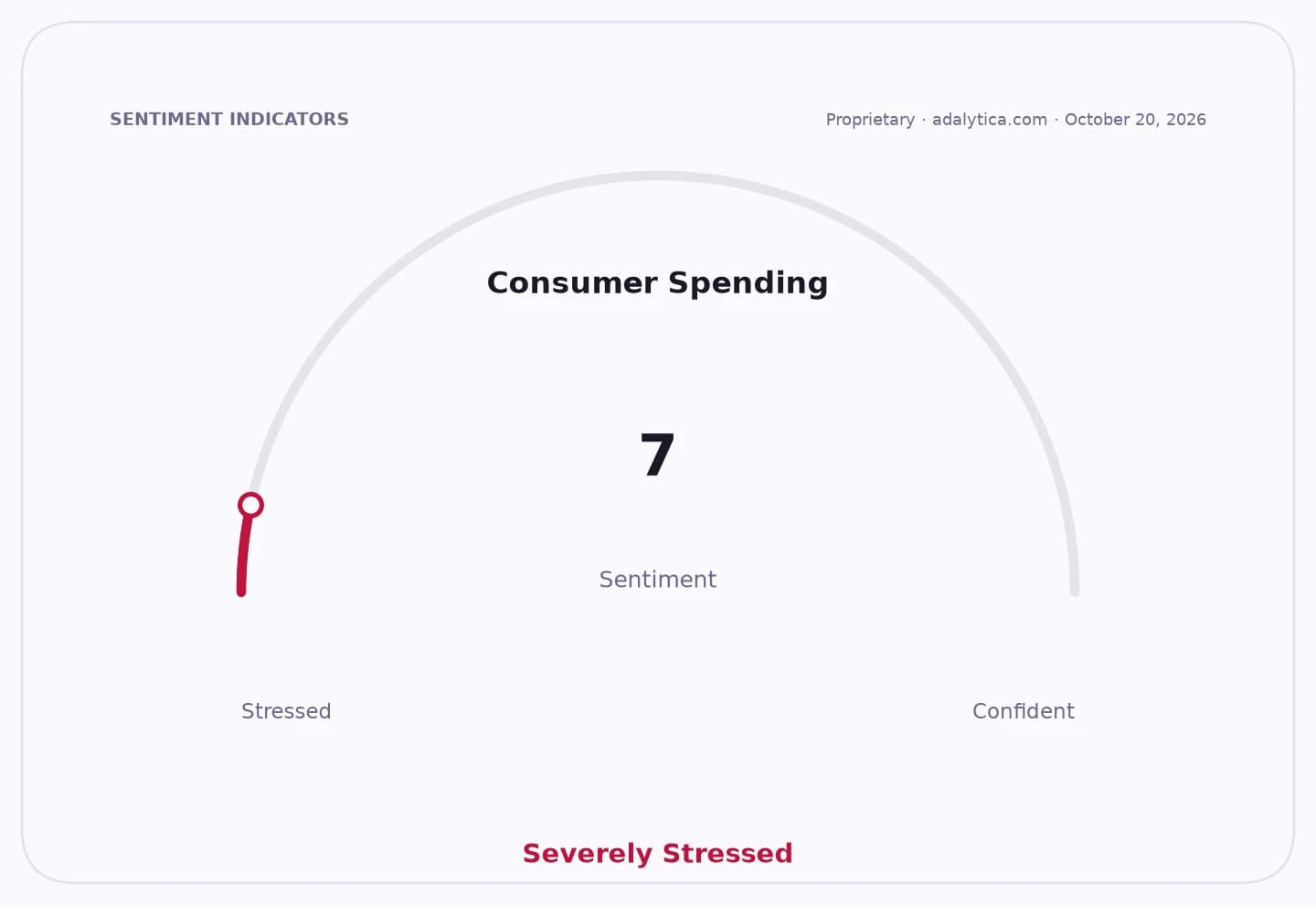
Cyprus is seeing inflation accelerate again, and that matters because it is eroding household purchasing power faster than the broader euro area just as energy costs stay elevated. Eurostat’s preliminary estimate put Cyprus consumer prices up 5.4% in October from 5.2% in September, extending a sharp run higher from 3.5% in May and leaving the island far above the eurozone’s 4% average.
Cyprus inflation rises to 5.4% in October
Consumer Spending
The monthly increase was modest at 0.2%, but the trend is what investors and policymakers will watch. Cyprus has moved from near-zero inflation a year earlier to one of the hotter price environments in the currency bloc, a reversal that can quickly squeeze real incomes, curb consumer demand and complicate the outlook for local rates and bank funding costs. For savers, the picture remains uncomfortable: deposit rates across the euro area have risen, yet Cypriot households are still earning some of the lowest returns while inflation keeps climbing.
Sentiment Indicators
Energy is doing much of the damage. Across the eurozone, Eurostat said energy inflation likely jumped to 20.8% in October from 18.9% in September, reinforcing how imported fuel and power costs are feeding through to bills. Services inflation also edged up, while food, alcohol and tobacco remained sticky. For Cyprus, where a tourism-heavy economy depends on spending from both residents and visitors, that combination is especially important: higher prices can support nominal revenue in some sectors, but they also risk weakening consumption if wage gains do not keep pace.
The macro backdrop is still not all bad. Cyprus has been growing faster than many peers, helped by tourism and investment tied to shipping and energy. But inflation that outruns the euro area average changes the investment case at the margin. It raises the odds of a more cautious European Central Bank backdrop, keeps pressure on real wages and can slow the pace at which households rebuild spending power. That is the kind of squeeze investors should care about because it reaches into bank loan growth, retail sales and asset quality over time.
The bigger story is that Cyprus is trying to balance stronger growth with a renewed cost-of-living problem. If energy prices stay high and inflation keeps moving above peers, the island’s recovery will remain vulnerable to the same forces that lifted prices in the first place. For long-term investors, that means watching whether the inflation spike proves temporary or becomes a more persistent drag on Cyprus’s consumer-led economy.
| Entity | Gains | Losses |
|---|---|---|
| Energy producers | ▲Higher revenue | ▼Consumers and importers |
| Cypriot banks | ▲Higher nominal lending activity | ▼Households under strain |
| Tourism businesses | ▲Stronger nominal receipts | ▼Real consumer spending |
| Savers in Cyprus | ▲Higher rate expectations | ▼Low real returns |