Czech economic growth is slowing while inflation is expected to stay above target next year, a mix that suggests wage gains will remain sticky even as hiring cools and job seekers face a more selective market.
Czech GDP growth slows as inflation stays above target
CPI
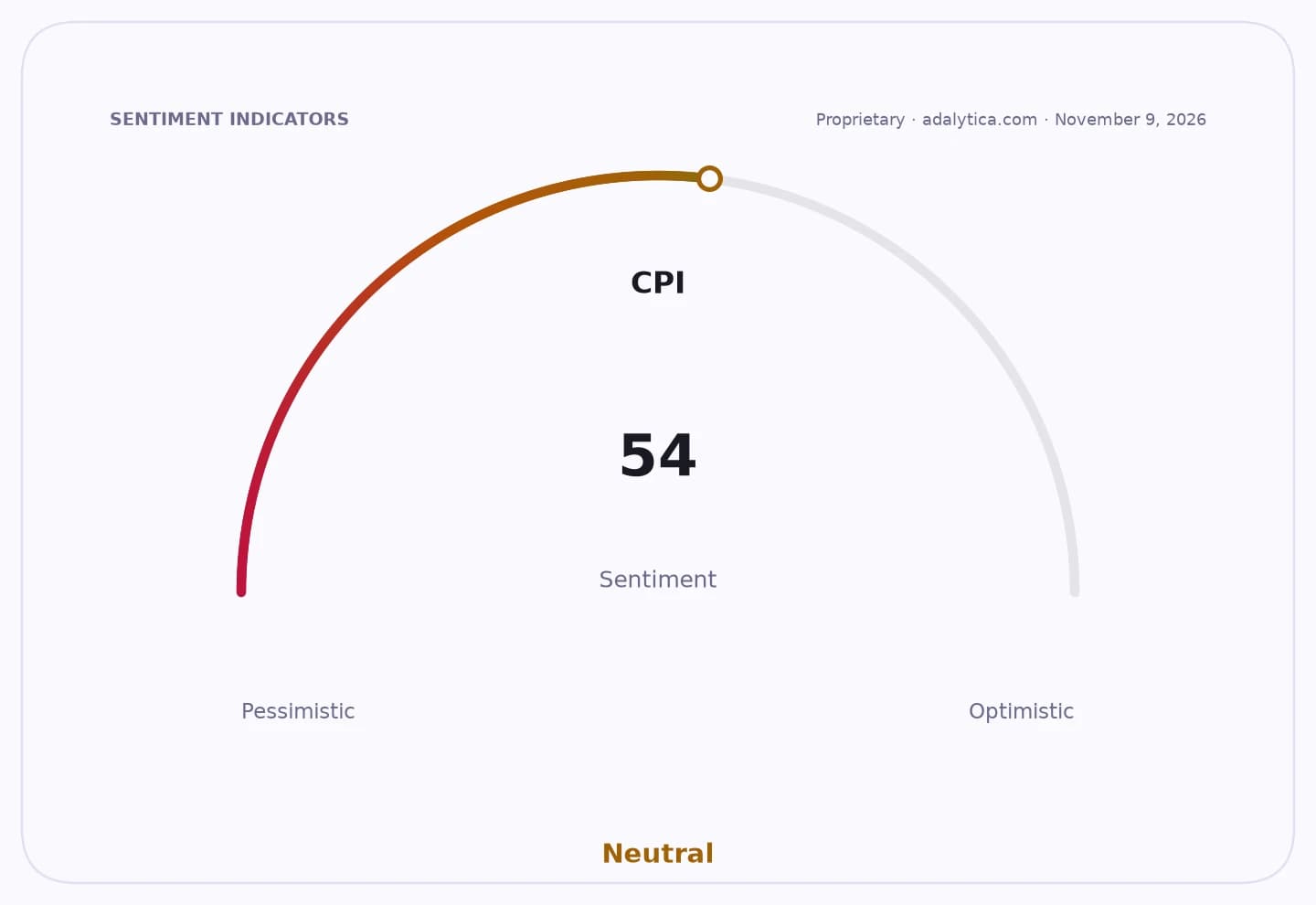
The Czech National Bank now expects gross domestic product to rise 1.7% this year, down from 2.2% in August, and 2.5% next year, lower than its prior 2.7% forecast. At the same time, the central bank sees inflation at 3.2% next year, keeping price pressures above its 2% target and leaving policymakers with little room to ease aggressively.
Sentiment Indicators
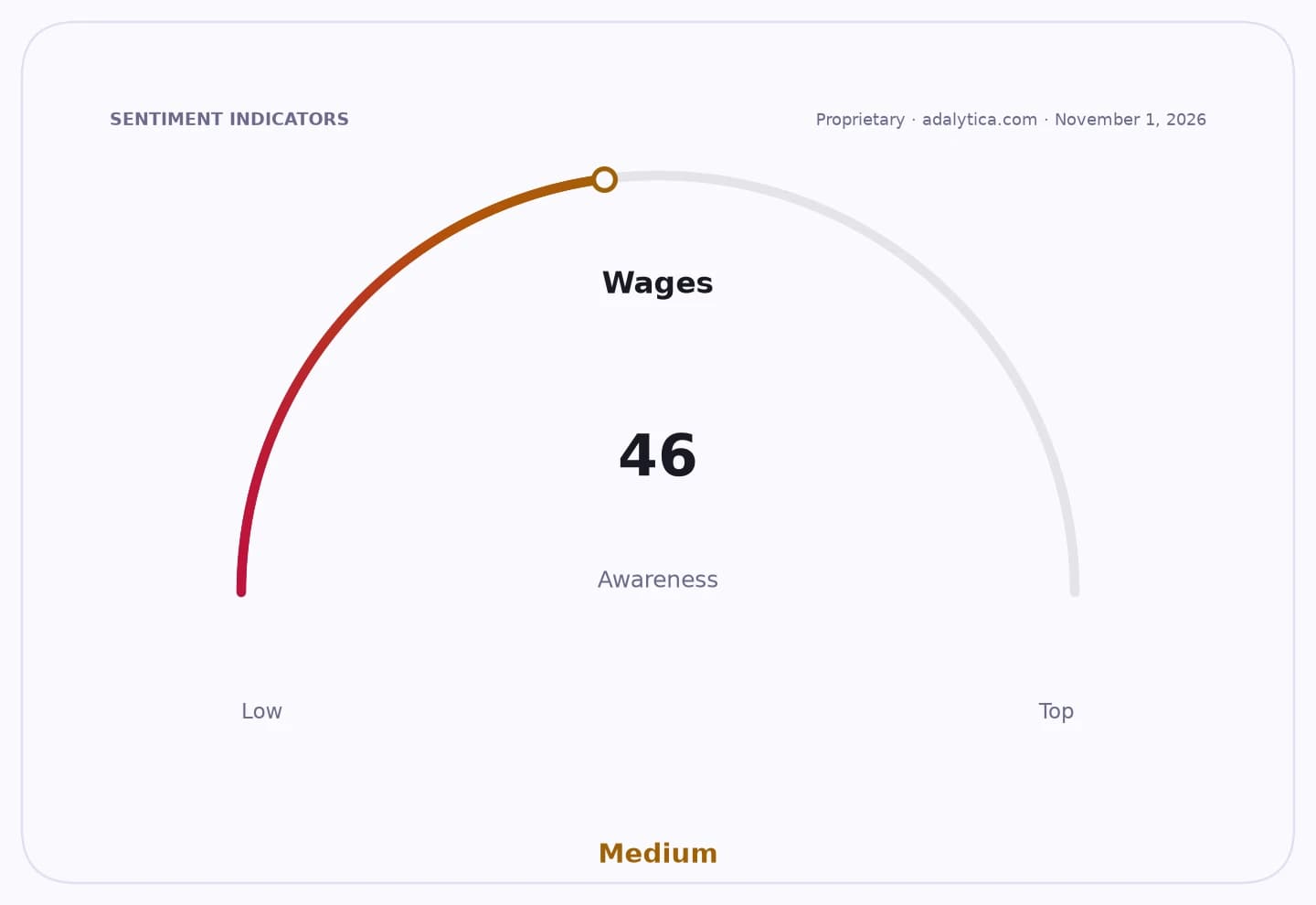
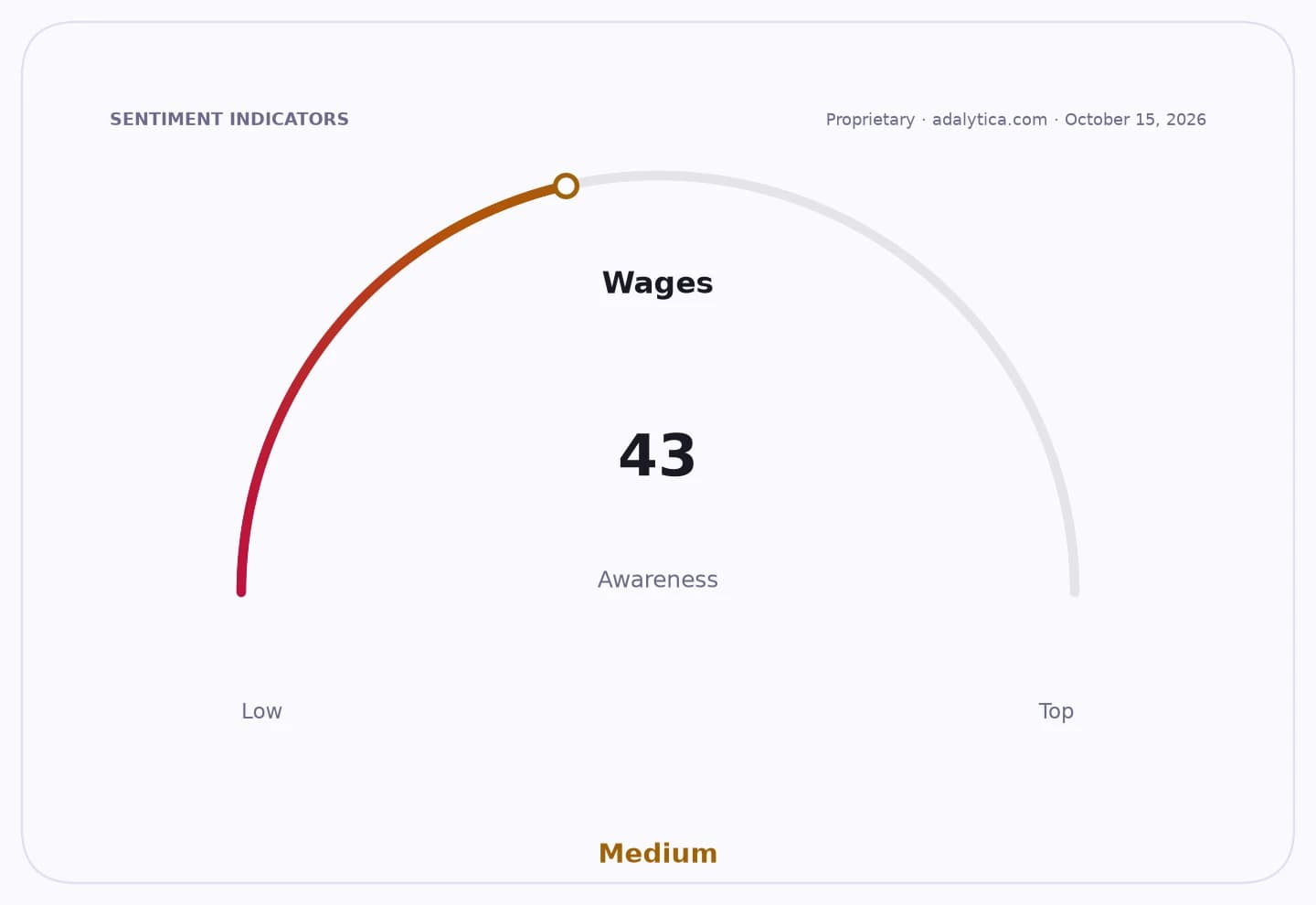
For workers, the key issue is not a sharp rise in unemployment but a gradual weakening in labour demand. The bank’s own messaging points to a market that is splitting rather than cooling evenly: firms are still competing for skilled staff in services, healthcare and IT, but are becoming more cautious in industry and credit-sensitive sectors tied to eurozone demand. That matters because wage bargaining tends to stay firm when unemployment remains low, even if the broader economy is losing momentum.
The labour market is already showing early signs of strain. Eurostat data put Czech unemployment at 2.8% in September, the lowest in the European Union, even as the labour office counted 368,377 jobseekers and a 5.0% unemployment rate under the national methodology. Czech National Bank board member Jakub Seidler has said unemployment is rising gradually across all districts, but not yet enough to slow wage dynamics materially. That is consistent with a market where firms are first trimming overtime, leaving vacancies unfilled and cutting agency staff before they resort to layoffs.
That sequencing is important for investors because it delays the visible impact of slower growth on consumption, but it also caps the upside for household spending. If wage growth remains resilient while inflation stays elevated, real income gains will be modest. If companies begin to push back harder on pay in 2026, domestic demand could soften more quickly than the headline GDP numbers suggest.
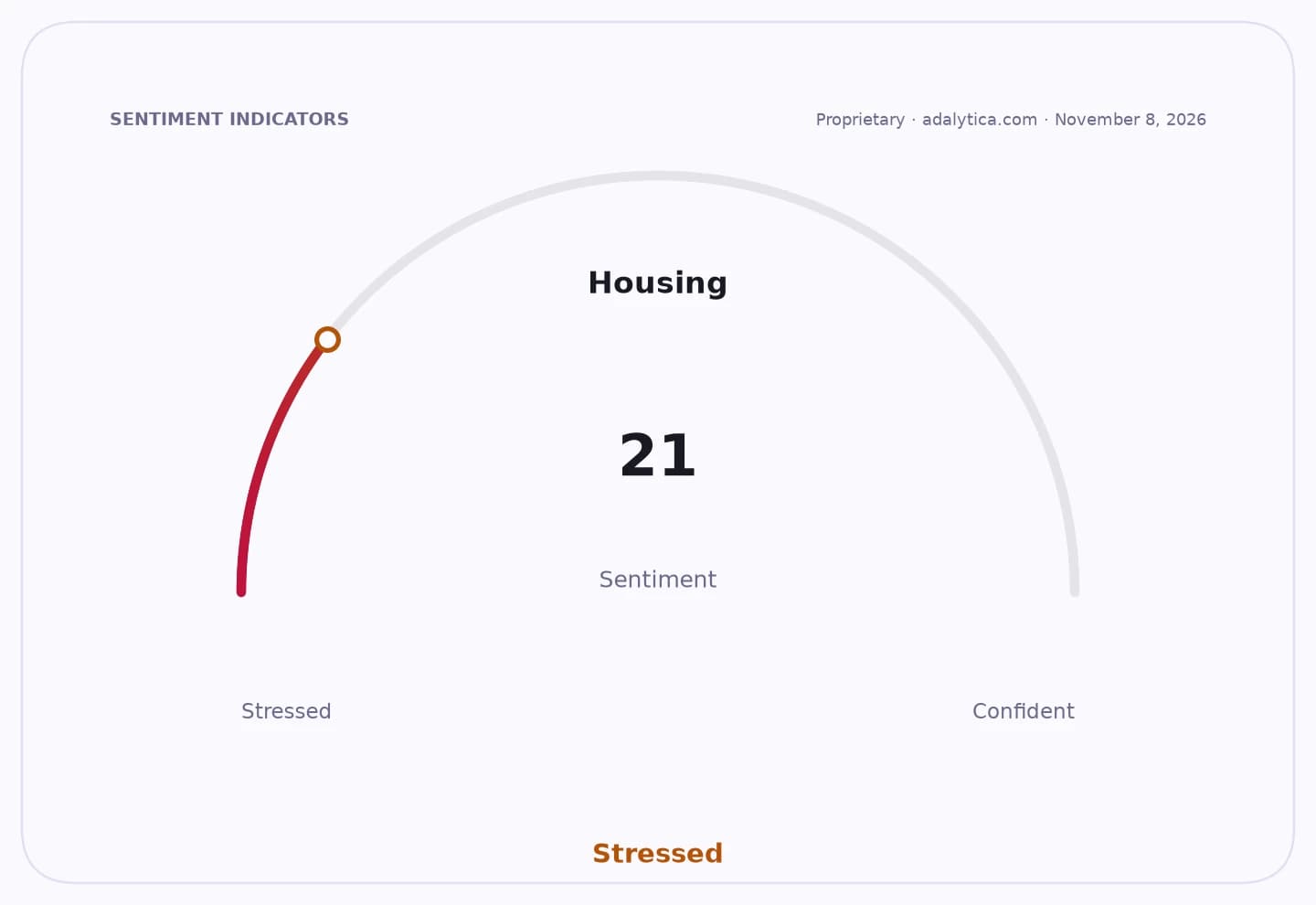
The central bank’s inflation and growth outlook also has rate implications. It now expects the three-month PRIBOR to average 4.1% next year, above the 3.9% forecast in August, implying funding costs will stay restrictive for households and companies. That combination — softer growth, sticky inflation and still-elevated borrowing costs — is usually bearish for margins, especially for smaller firms and capital-intensive sectors.
Markets have already been pricing in a slower-growth, higher-for-longer environment. The SPDR S&P 500 ETF Trust, used here as a broad global risk barometer, has been volatile, while U.S. Treasuries have firmed in recent sessions as investors weighed weaker growth against sticky inflation. In Czech terms, the more immediate market signal will come from whether the labour office’s October data show a further drop in vacancies from the 104,359 openings reported at the end of September. That would be the first clear sign that the slowdown is reaching payrolls.
For now, the Czech economy looks more like it is decelerating than entering a downturn. But with inflation still projected at 3.2% next year, the question for wages and employment is less whether the labour market breaks, and more how long it can remain tight before slower output growth finally bites.
| Entity | Gains | Losses |
|---|---|---|
| Employers | ▲Easier hiring conditions | ▼Pressure on margins |
| Workers in scarce sectors | ▲Still-strong wage bargaining | ▼Slower job switching |
| Job seekers in cyclical industries | ▲Some openings remain | ▼Fewer vacancies |
| Czech consumers | ▲Wage growth supports spending | ▼Real income gains stay limited |