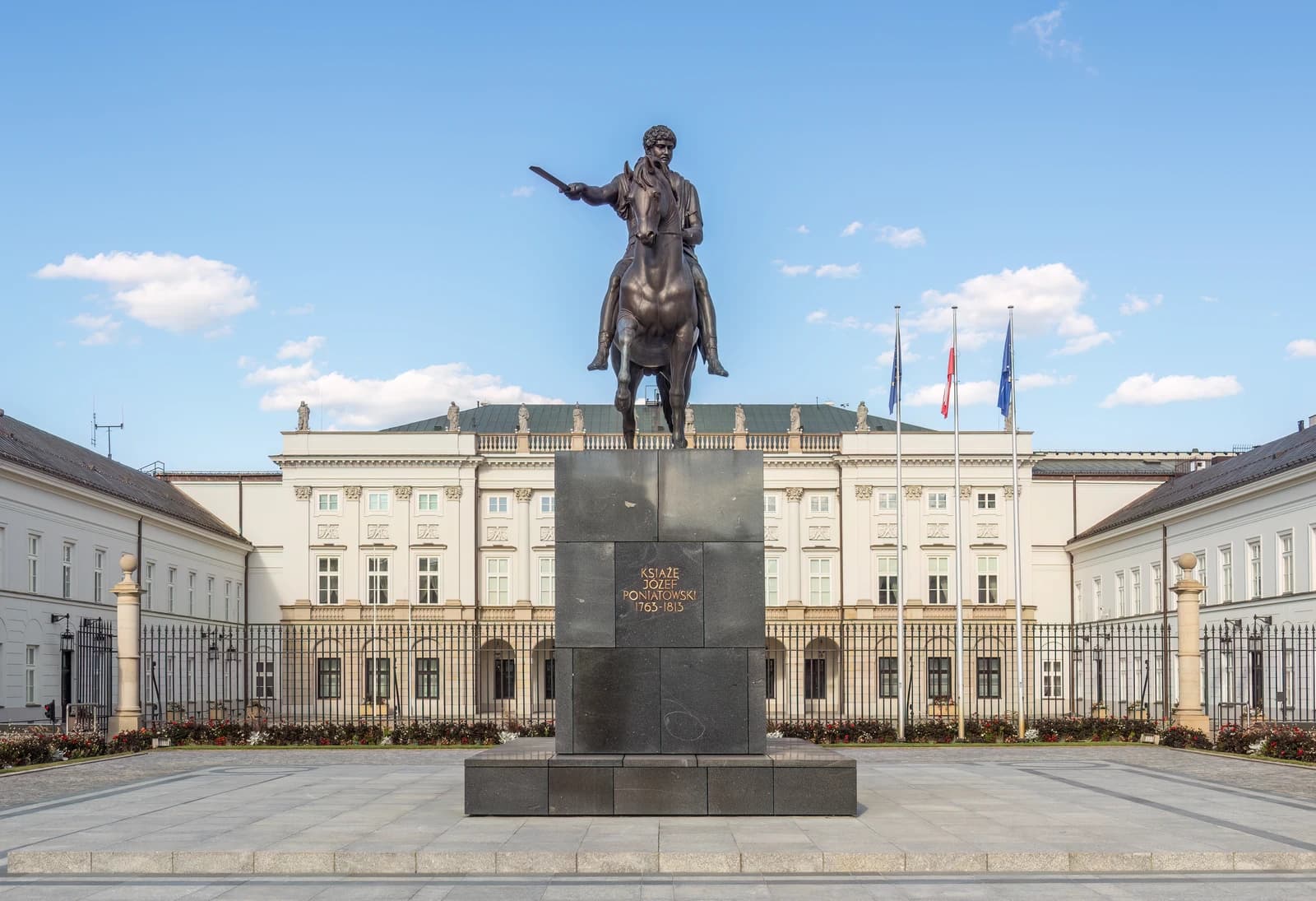
Andrej Babiš is using his trip to Warsaw to cast Poland as a cornerstone of Central Europe’s economic and security future, a message that matters for investors because it points to closer coordination on energy, infrastructure, defense and the next EU budget at a time when regional politics and fiscal negotiations are under strain.
Czech Republic and Poland Discuss Energy, Defense, Budget
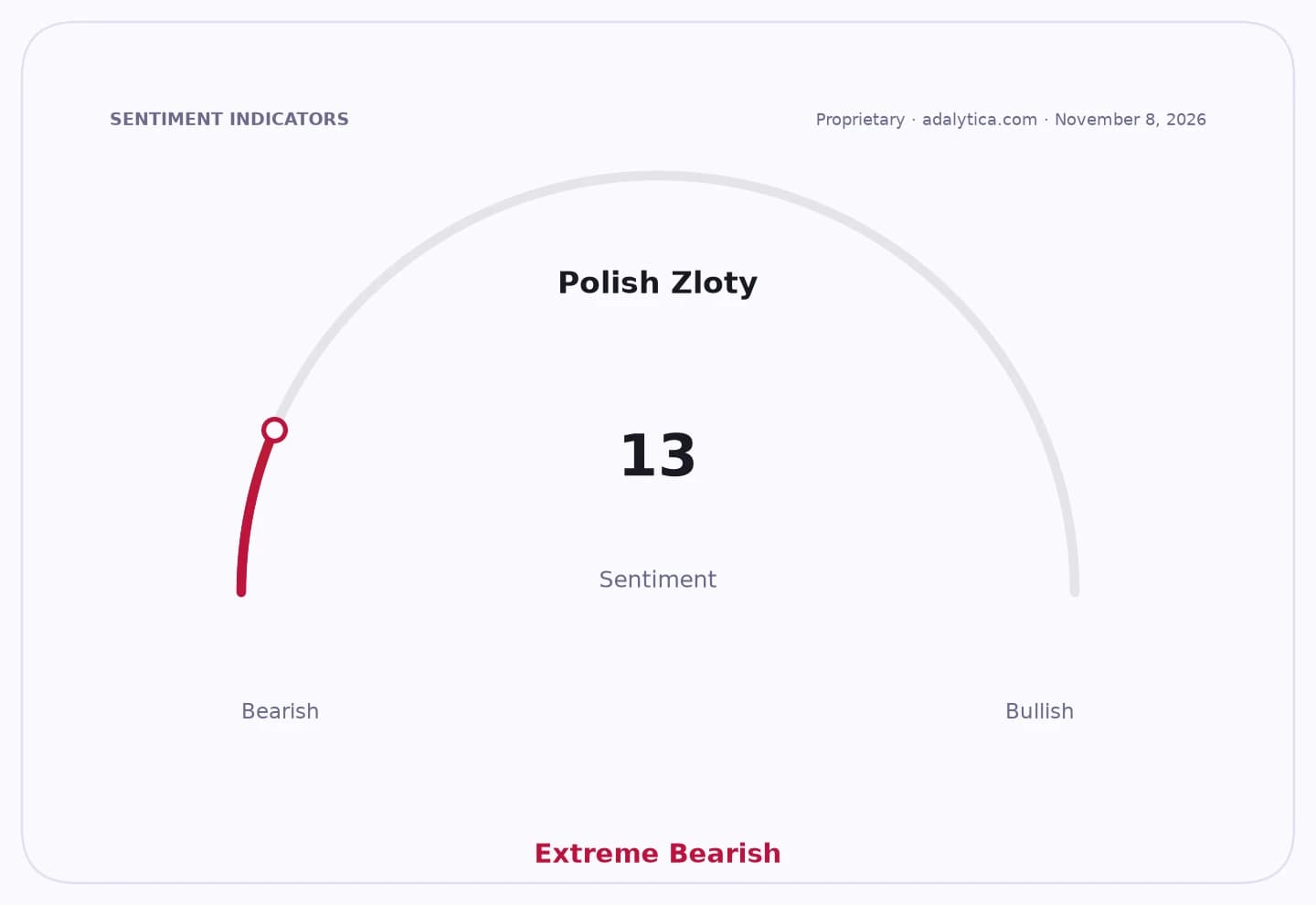
Polish Zloty
The Czech prime minister said cooperation with Poland is “of fundamental importance” for security, prosperity and the future of the region, and plans to discuss bilateral ties as well as European issues with Polish Prime Minister Donald Tusk. That includes the next EU budget, where Babiš said member-state positions remain far apart, alongside competitiveness, industry, energy, climate, migration, EU enlargement and support for Ukraine.
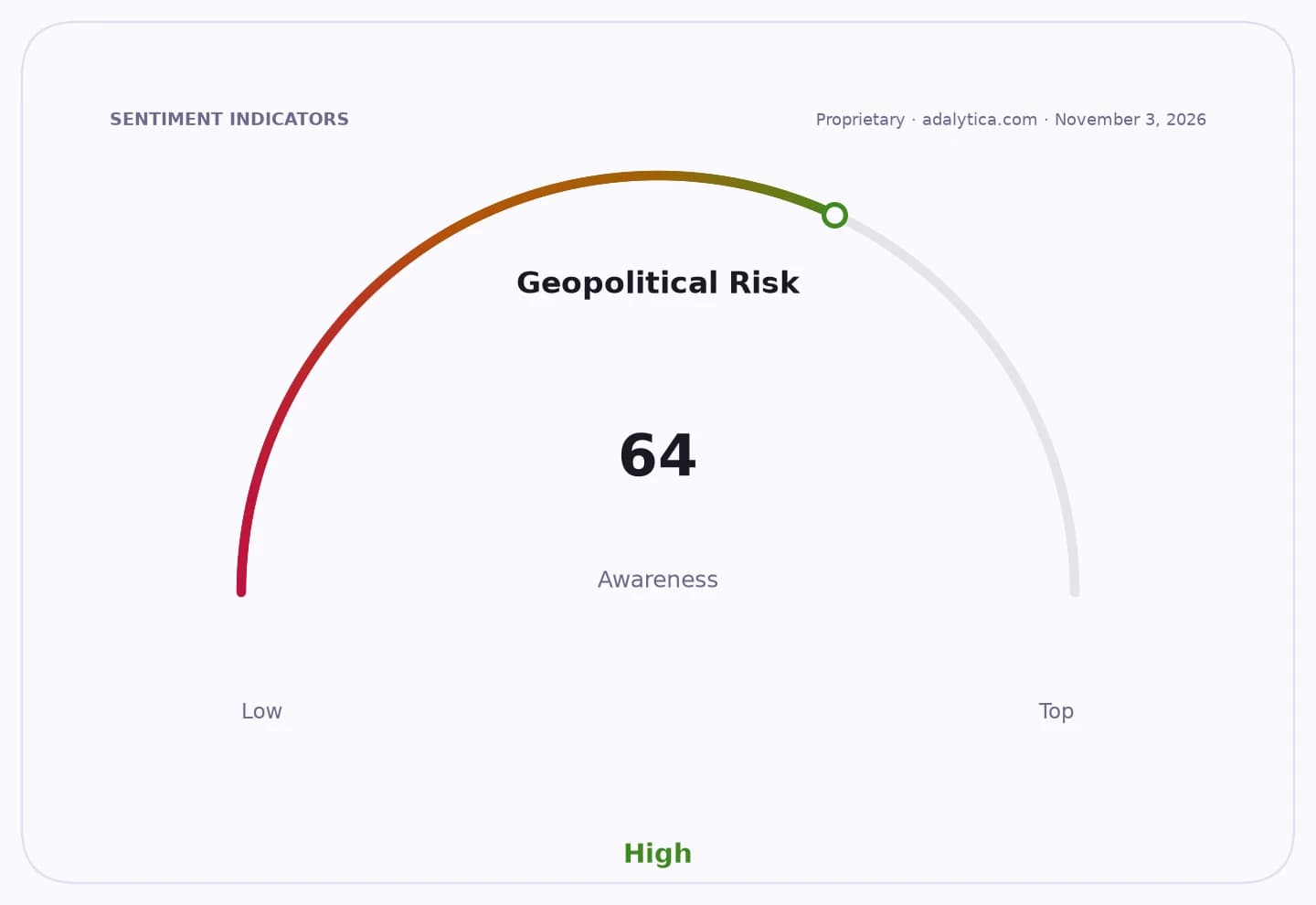
Sentiment Indicators
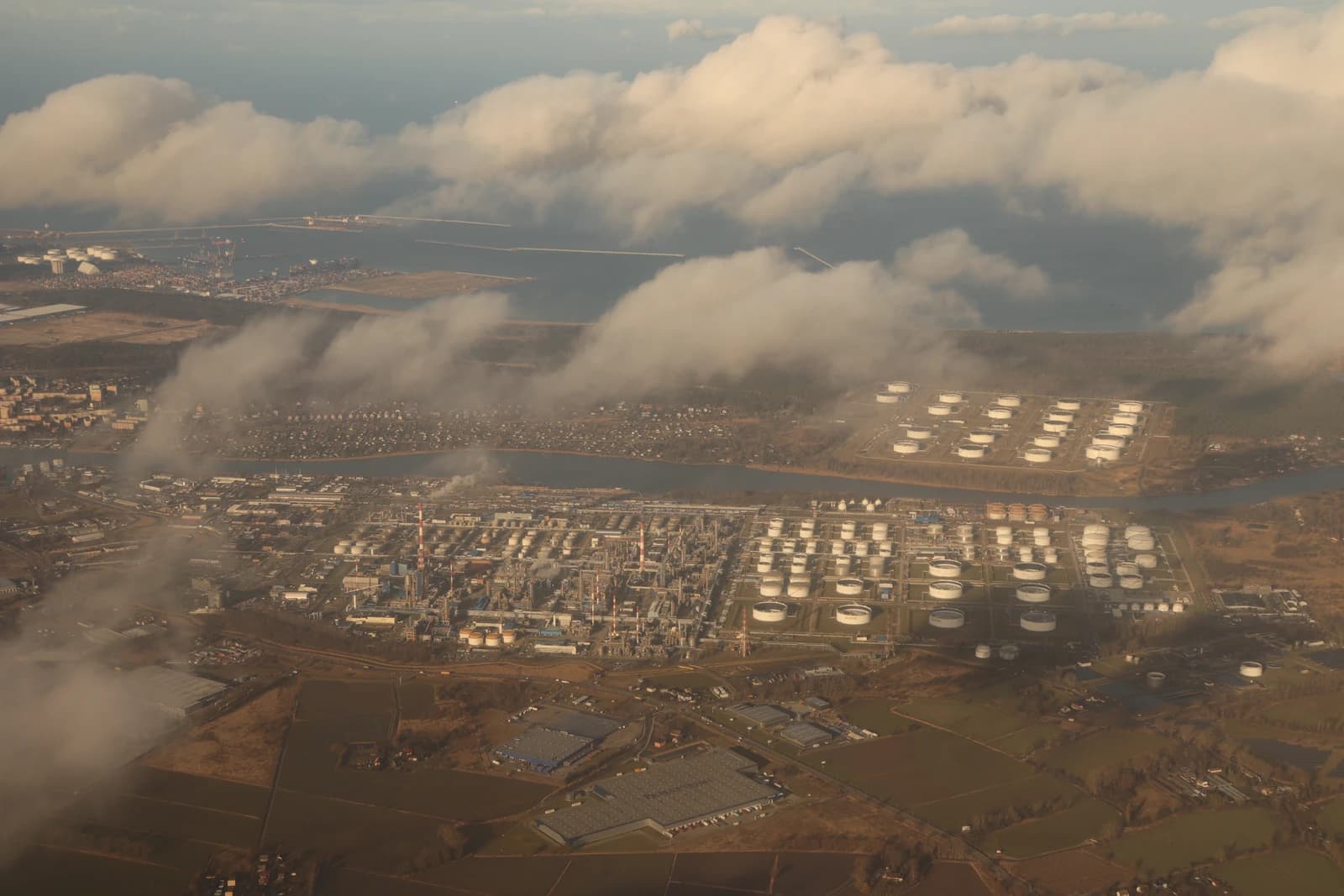
For markets, the immediate relevance lies in the practical ties between the two economies. Poland is one of the Czech Republic’s key trading partners, with firms on both sides investing across the border, and both governments are weighing policies that could hit industrial players and energy companies. Babiš’s government has also pushed a windfall-style tax on refineries, a proposal that would hit the Czech unit of Poland’s Orlen most directly, underscoring how political coordination and corporate exposure are increasingly linked.
The trip also highlights the strategic value of the Polish-Czech corridor. Babiš singled out energy security, highways, high-speed rail links and cross-border emergency services as priorities, suggesting policymakers see infrastructure as part of the region’s competitiveness agenda, not just a transport issue. Czech army helicopters have also been helping protect Poland’s eastern border since last year, a reminder that security cooperation is already deepening beyond rhetoric.
The broader backdrop is a Europe still wrestling with defense, migration and budget trade-offs while facing pressure to stay competitive against the U.S. and China. If Prague and Warsaw move closer on those issues, it could shape decisions in Brussels and influence sectors from utilities and transport to defense and heavy industry.
Investors will be watching whether the talks produce any concrete movement on regional infrastructure, energy policy or the EU fiscal framework, and whether the refinery tax debate escalates into a bigger cross-border dispute involving Orlen and Czech policymakers.
| Entity | Gains | Losses |
|---|---|---|
| Czech Republic | ▲stronger regional leverage | ▼policy isolation |
| Poland | ▲deeper Central European ties | ▼added EU budget pressure |
| Orlen / refinery owners | ▲policy clarity if deal emerges | ▼windfall tax exposure |
| Infrastructure and defense firms | ▲more cross-border spending | ▼delay if talks stall |