Danantara’s efforts to preserve its fiscal reputation through bond financing are landing in a more hostile market just as South Korea’s antitrust regulator weighs record fines over alleged collusion in treasury bond auctions, a case that could reshape pricing, dealer behavior and investor appetite for new debt.
Danantara bond financing faces South Korea auction probe
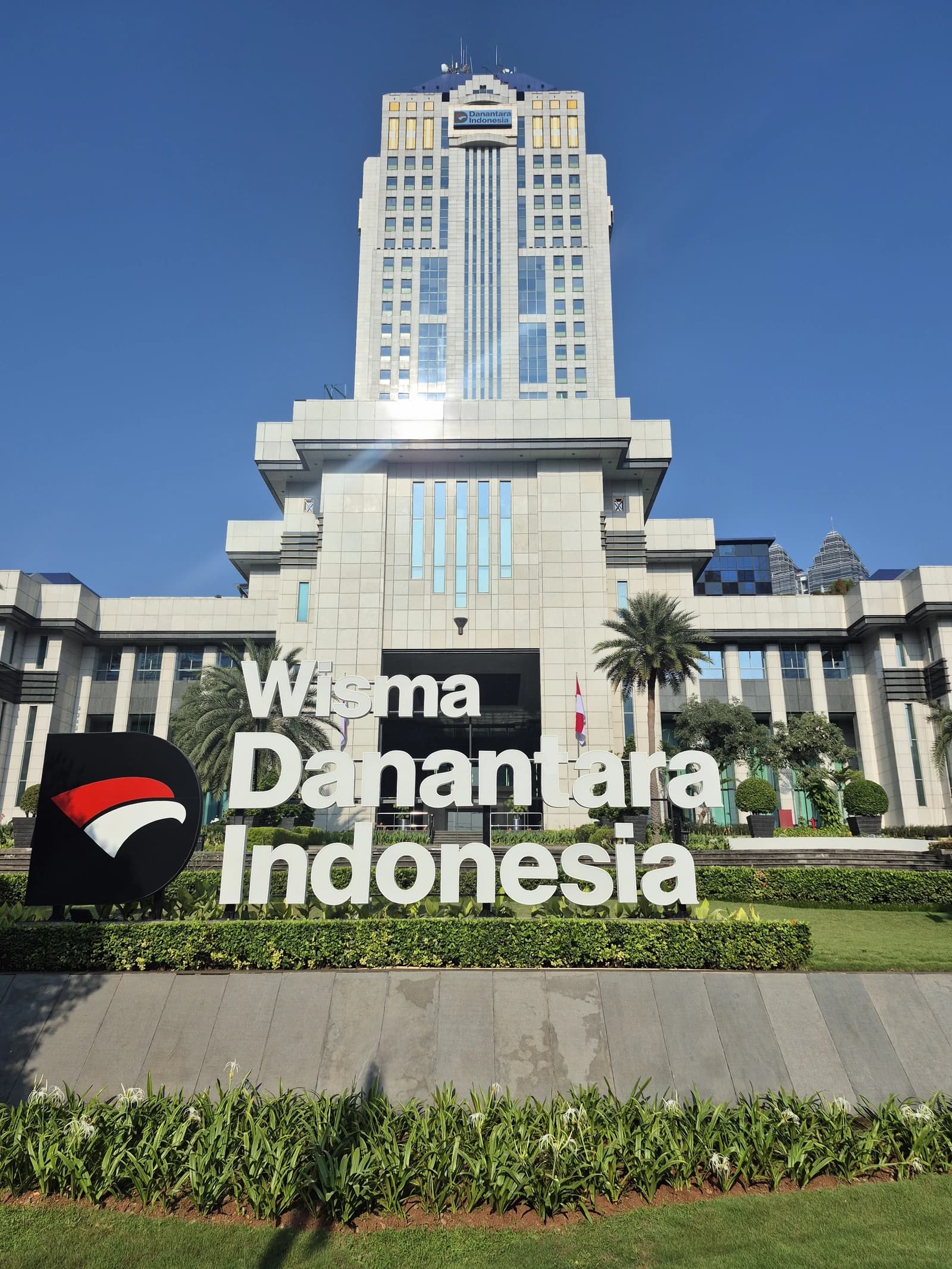
The immediate risk is not only legal. If the Fair Trade Commission imposes penalties as large as 15 trillion won on major securities firms and banks, the fallout could tighten underwriting standards, raise risk premiums and make it harder for borrowers to place paper without paying up. That matters for Danantara and other issuers because bond finance depends on confidence that primary markets are orderly, transparent and liquid. When those assumptions are questioned, investors demand more compensation for duration and execution risk.
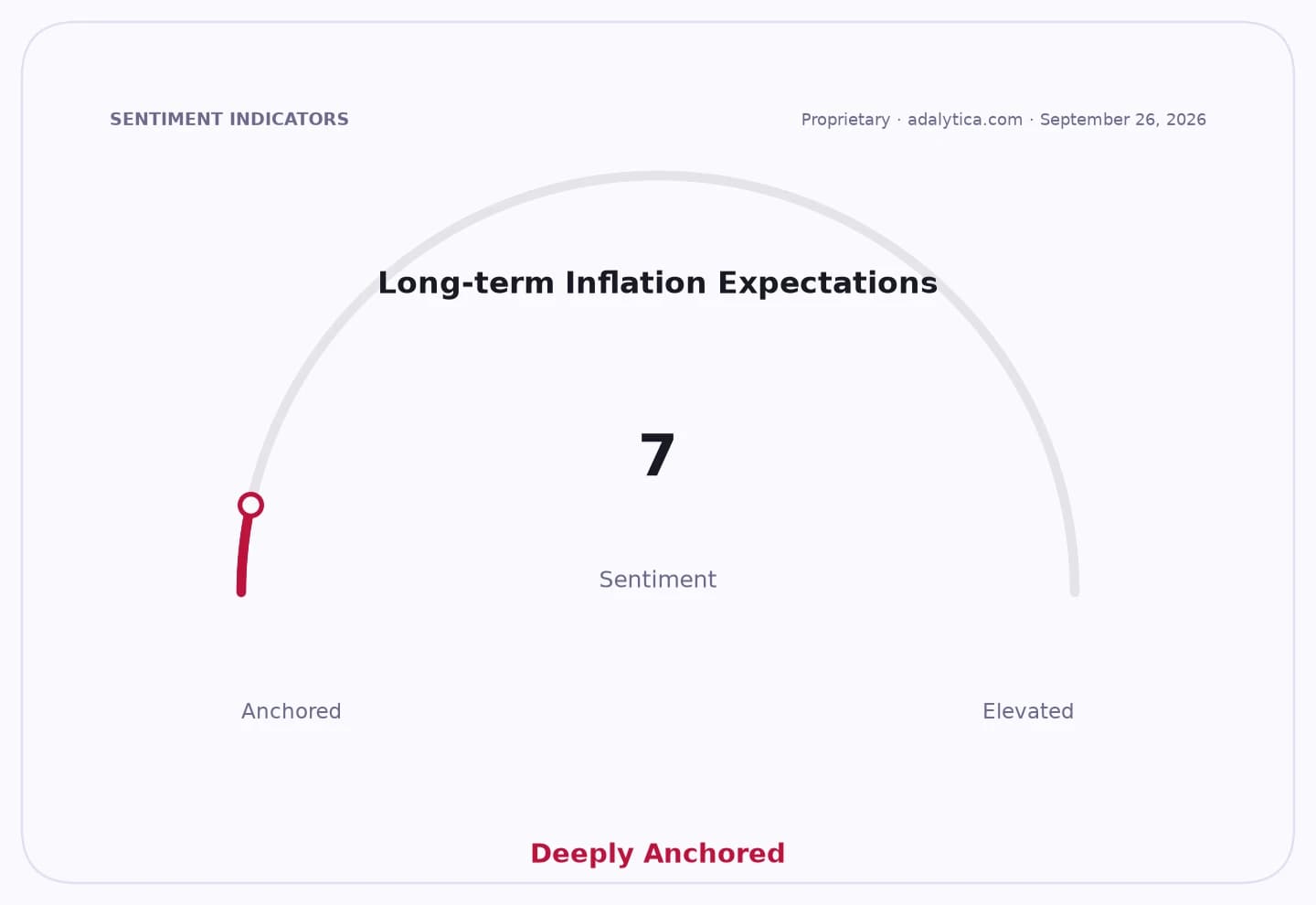
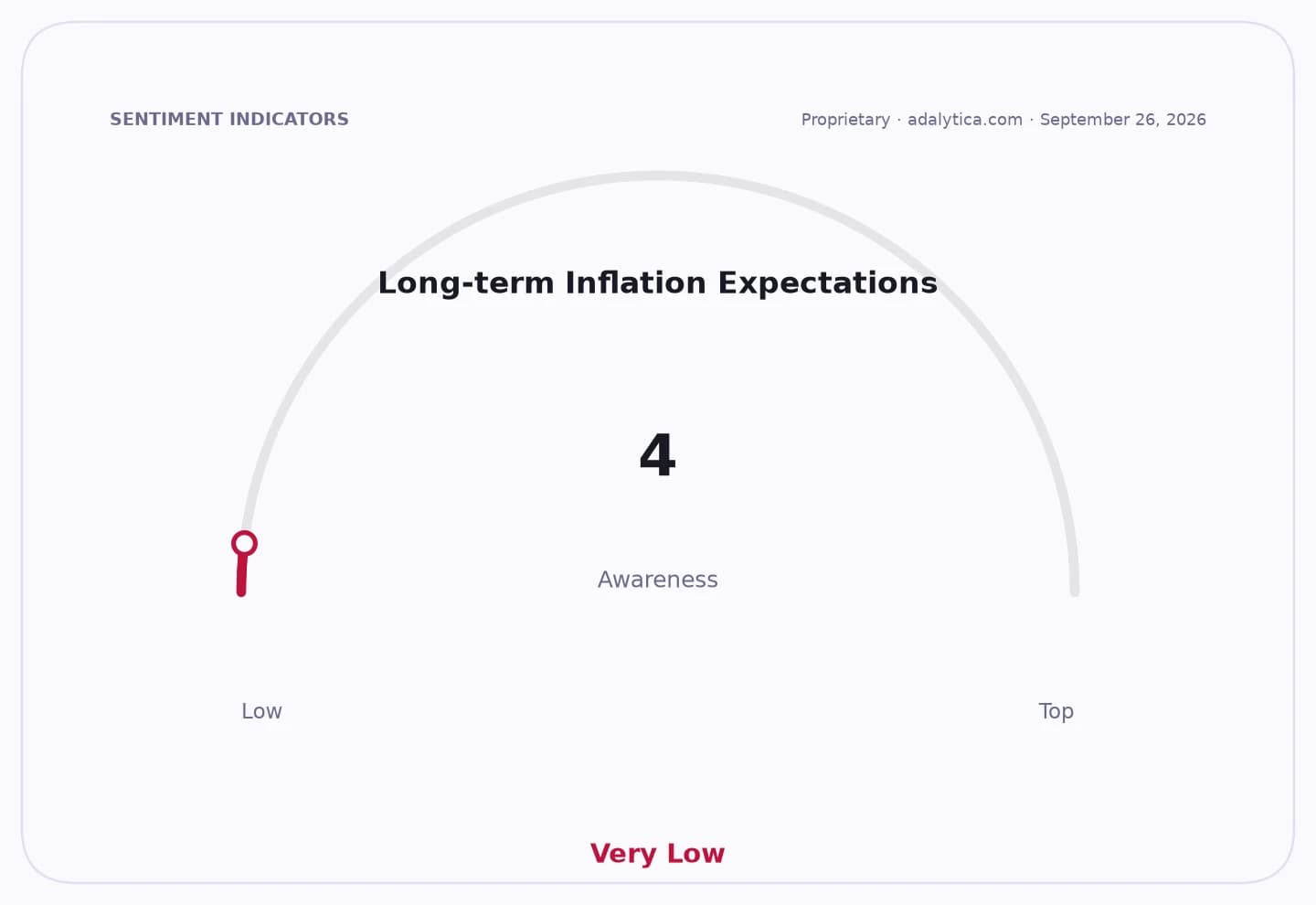
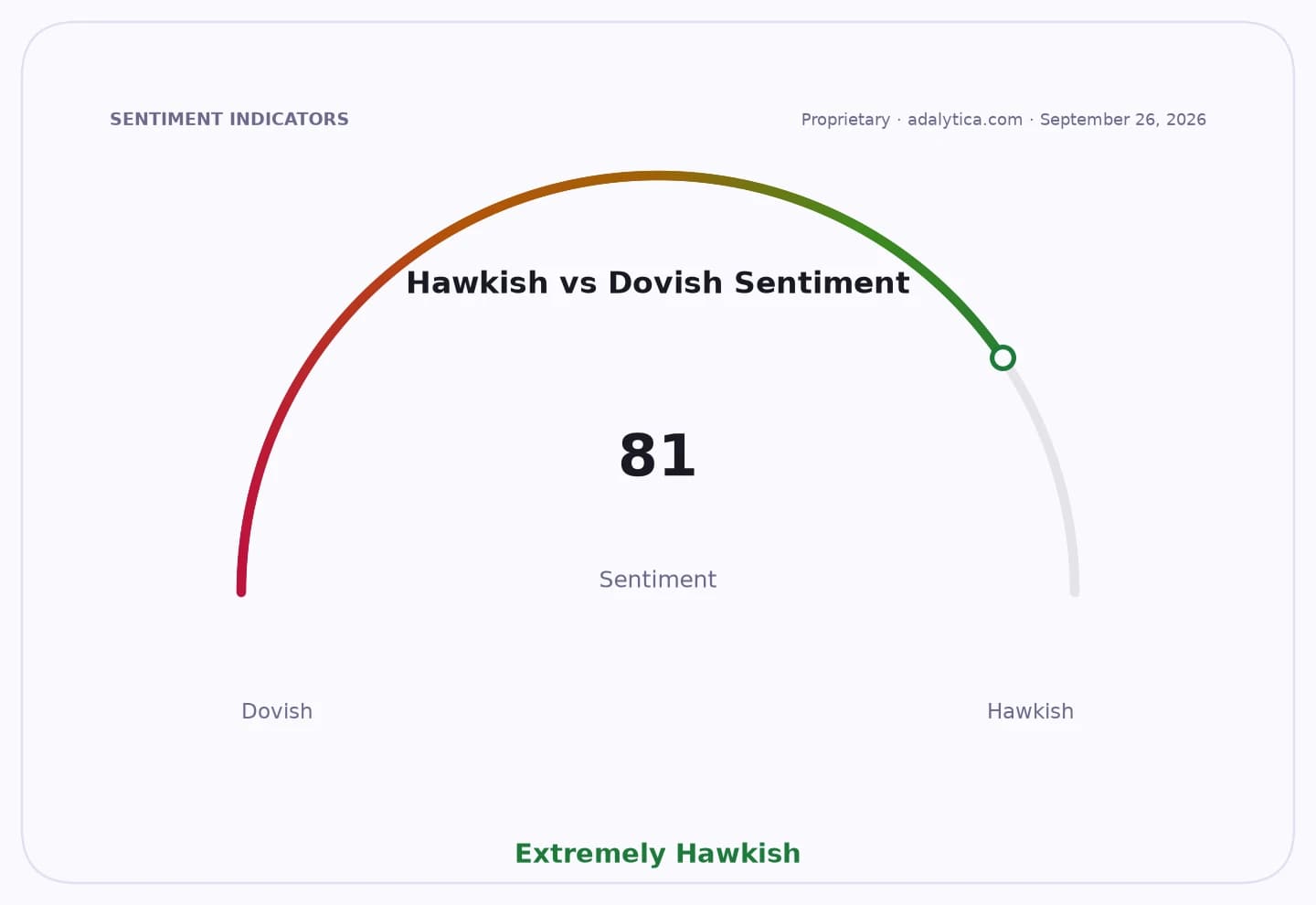
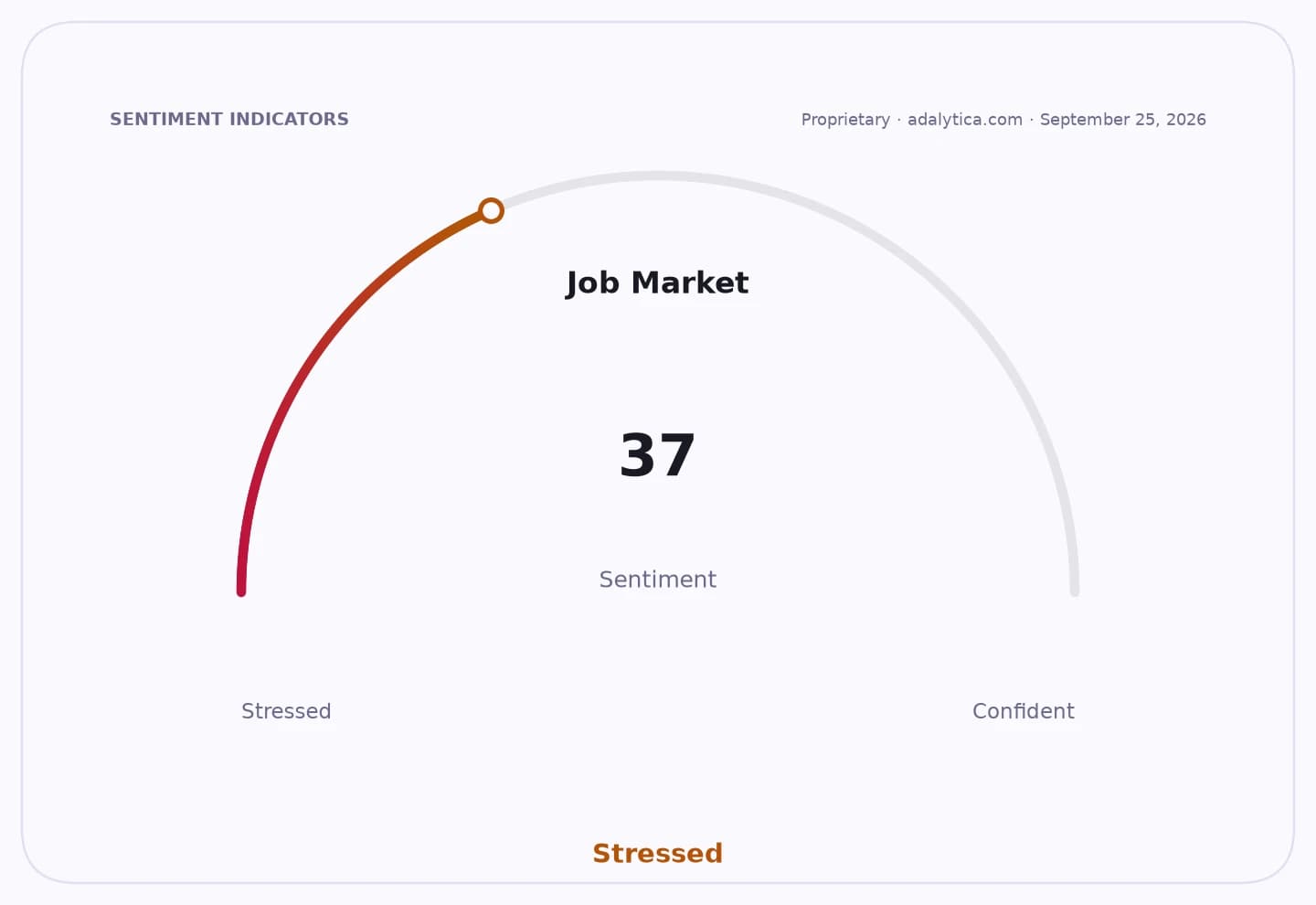
Sentiment IndicatorsⓘProprietary · adalytica.com · August 9, 2026
This is a snapshot — live sentiment, awareness and momentum for 130+ markets update continuously in the dashboard.Open AlphaPulse
The case centers on allegations that 15 securities firms and banks coordinated bidding in treasury auctions involving 76 trillion won of demand. The scale matters because treasury auctions are the benchmark for local fixed-income pricing: any sign of manipulation can distort the government yield curve, spill over into corporate funding costs and weaken trust in the dealer system that supports daily bond market liquidity. The regulator’s review comes after months of volatility in rates, with higher yields already reflecting capital pressures and a heavier slate of corporate issuance, especially from banks.
The backdrop is still unfavorable for borrowers. U.S. 10-year Treasury yields were around 4.63% in early August, while high-yield credit spreads remained near 2.7 percentage points, underscoring that markets are still pricing a relatively tight but cautious risk environment. In that setting, even modest rises in benchmark yields or spreads can materially affect financing costs for quasi-sovereign and policy-linked borrowers. For issuers like Danantara, maintaining a clean fiscal reputation is not just a communications exercise; it is a funding strategy.
Investors will be watching two things. First, whether the enforcement action broadens beyond fines into structural remedies that alter how banks and brokers participate in auctions. Second, whether the controversy spills into primary issuance by prompting wider concessions or delayed deals. The bull case is that tougher oversight ultimately strengthens market integrity and lowers the probability of future distortions. The bear case is that aggressive penalties undermine dealer capacity, reduce participation and leave issuers facing a less reliable buyer base.
For bondholders, the near-term question is whether the episode stays a regulatory overhang or becomes a lasting repricing of local fixed-income risk. For Danantara, the message is clearer: reputation now has a funding cost, and in a market already sensitive to rate pressure, that cost can move fast.
| Entity | Gains | Losses |
|---|---|---|
| Regulator / FTC | ▲Enforcement credibility | ▼Political and market backlash |
| Treasury market investors | ▲Cleaner auction rules | ▼Near-term volatility |
| Danantara and other issuers | ▲Stronger long-run trust if reforms stick | ▼Higher funding costs |
| Banks and securities firms | ▲Potentially clearer rules | ▼Fines, tighter scrutiny |