Trump’s push to expand military spending is turning into a powerful profit engine for U.S. defense contractors — and companies backed by his sons are among the biggest beneficiaries.
Defense Budgets Boost U.S. Contractors

That matters because defense budgets are not just another line item in Washington. They are multi-year commitments that can reshape cash flow, backlog and valuation for years, especially when they are tied to rearmament, missile defense and shipbuilding rather than one-off procurement. For investors, the key question is no longer whether defense demand is healthy. It is which companies have the strongest political access, the deepest order books and the clearest path to compounding earnings as governments rush to spend.
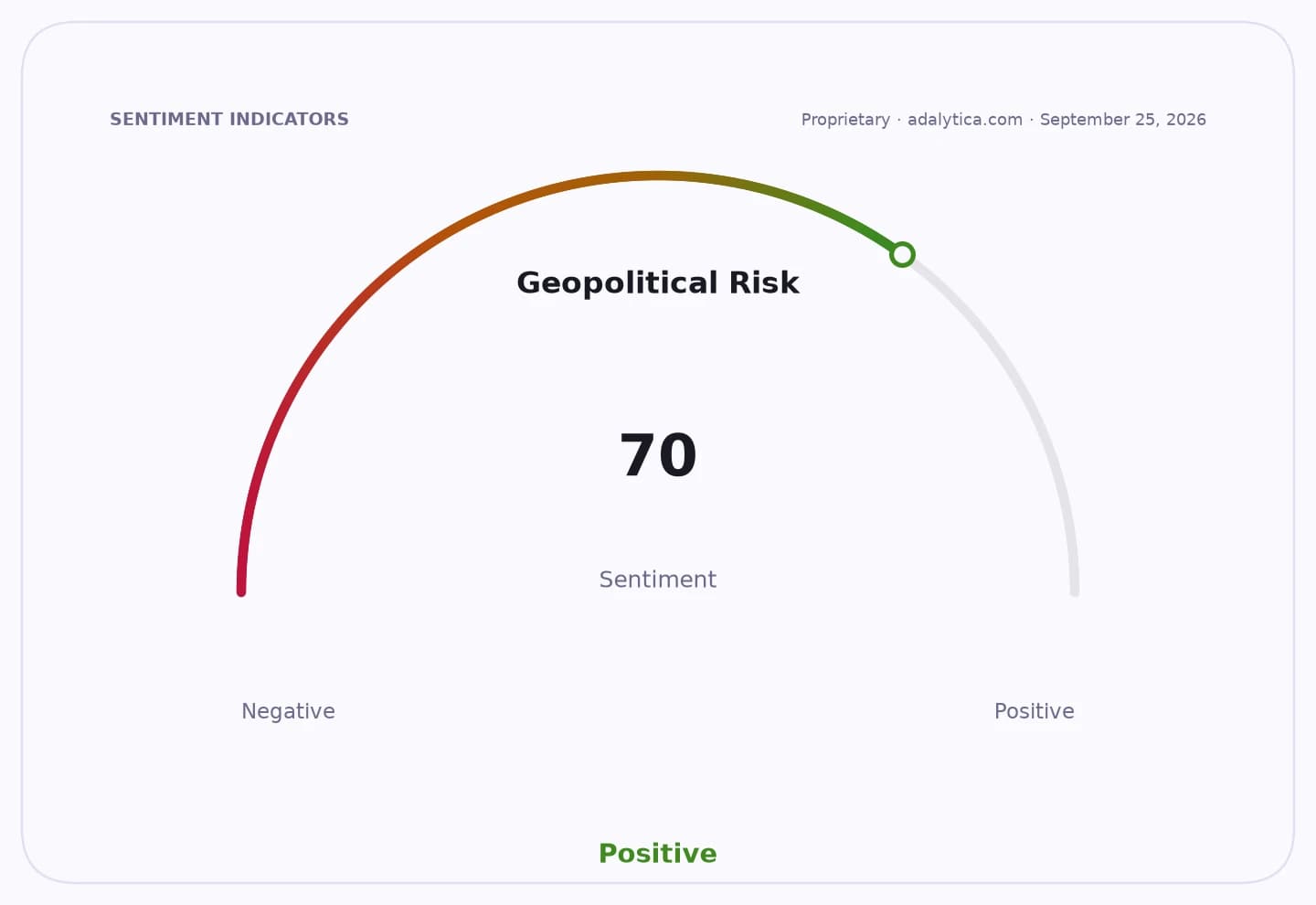
Sentiment IndicatorsⓘProprietary · adalytica.com · July 13, 2026
This is a snapshot — live sentiment, awareness and momentum for 130+ markets update continuously in the dashboard.Open AlphaPulse
The broad backdrop is hard to miss. Germany plans to lift defense spending by one-third in 2027 to 109.7 billion euros, putting it on a path toward NATO’s 5% of GDP target six years early. More NATO members are following suit, reflecting a structural shift in European security policy that should support a long cycle of higher military outlays. That is a tailwind for the industry at large, but it is especially meaningful for contractors with exposure to missiles, air defense, fighter jets and naval systems — the kinds of platforms governments buy when they are preparing for a longer confrontation, not a short one.
Lockheed Martin, Northrop Grumman and RTX all sit at the center of that spend. Lockheed’s filings point to a $760 billion weapons-procurement and modernization effort tied to munitions, Golden Dome missile defense, shipbuilding and more F-35 purchases. Northrop has also pointed to a growing backlog, while RTX said defense bookings reached $7 billion in the March quarter. Those are the kind of numbers that tell investors demand is not speculative; it is already working its way into future revenue.
The market has noticed. Lockheed’s shares have climbed into the low $500s after a sharp run that pushed the stock well above its 50-day average, though recent trading has been more choppy as momentum cooled. Northrop’s stock has been even stronger, with the price still holding around the low-$540s after a violent spring selloff and rebound, while RTX has recovered to roughly $196 and is trading comfortably above both its 50-day and 200-day averages. In plain English: the sector’s long-term story remains intact even if investors are getting more selective about which defense names deserve premium valuations.
That is why the political angle matters so much. If companies linked to Trump’s sons are earning billions from the administration’s military buildup, the winners are not just defense shareholders. They also include the network of firms, advisers and donors positioned closest to a policy regime that favors larger budgets and faster procurement. The losers are taxpayers who fund the surge and competitors without the same access or program exposure. There is also a governance question here: when political influence and industrial profits overlap, investors should expect scrutiny, not just enthusiasm.
For long-term investors, the bigger takeaway is that defense is becoming a secular spending theme, much like energy security or artificial intelligence infrastructure. NATO rearmament, missile defense and industrial replenishment are not one-quarter stories; they can run for years. That said, the best way to play the trend is not to chase any one headline. A diversified portfolio, a long horizon and a focus on cash generation and backlog quality usually work better than trying to trade the politics.
If Trump’s military buildup continues, defense primes should keep benefiting from the same forces that have driven industrial compounding for decades: government demand, scarce capacity and sticky multi-year contracts. That makes the group worth watching closely — and for investors willing to think in years, not weeks, it remains one of the more durable themes in the market.
| Entity | Gains | Losses |
|---|---|---|
| Lockheed Martin, Northrop Grumman, RTX | ▲Bigger budgets, backlog growth | ▼Valuation pressure if growth slows |
| Trump-linked companies | ▲Billions in defense-linked revenue | ▼Political scrutiny |
| NATO governments | ▲Stronger deterrence, industrial support | ▼Higher fiscal spending |
| Taxpayers and rivals | ▲Limited direct benefit | ▼Higher costs, weaker access |