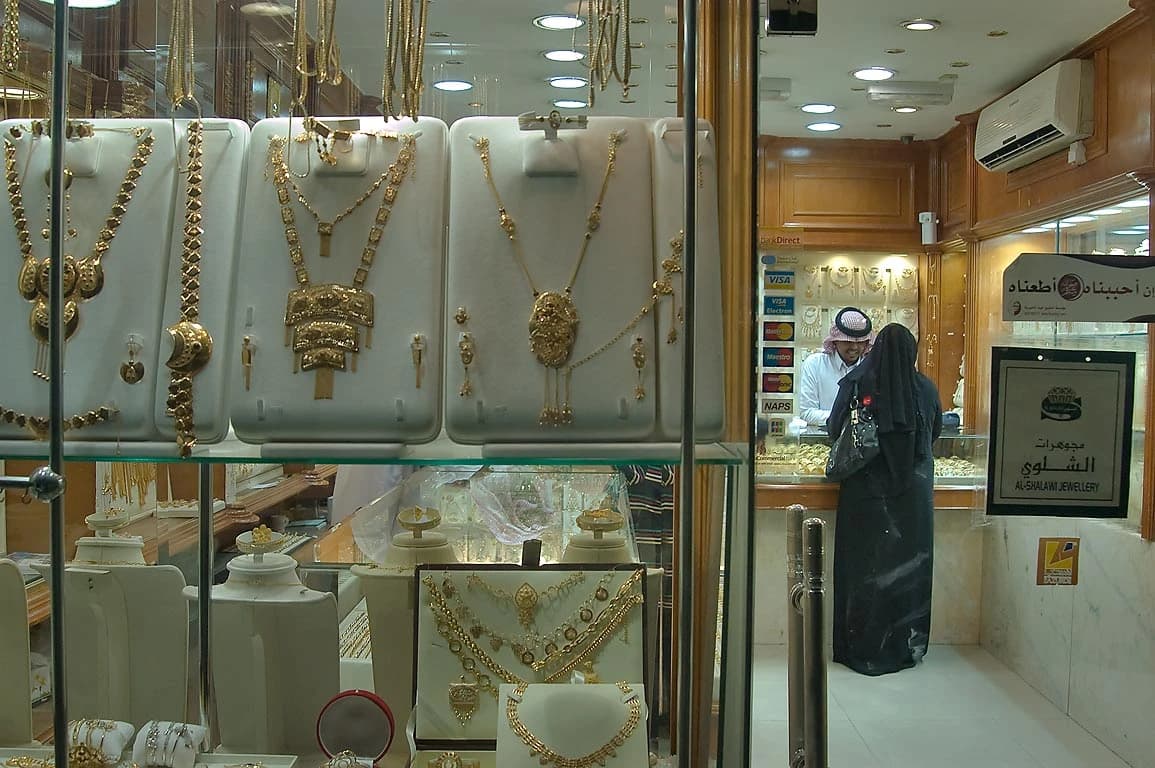
A Delhi tax tribunal has ruled that jewellery belonging to married daughters can be kept at a parental home and cannot be treated as unexplained investment simply because the women live with their husbands, a decision that narrows the scope for ad hoc additions in family-search cases.
Delhi tribunal rules on family jewellery additions
The Income Tax Appellate Tribunal deleted a ₹92 lakh addition made against Delhi resident Vakil Ahmed after holding that 3.9 kg of jewellery found during a January 2019 search could be explained by the ornaments of his late wife and three married daughters. The ruling matters because it reinforces that tax authorities must look at ownership, family custom and evidence — not just possession — before taxing household jewellery as undisclosed income.
For investors and taxpayers, the decision is a reminder that gold held in homes remains a sensitive asset class in India: culturally embedded, often accumulated over decades, but frequently scrutinised during searches because it can be difficult to document. The case also shows how the tax department’s assumptions can fail when weighed against family history, affidavits, wedding photographs and long-term income records.
The tribunal rejected the assessing officer’s reasoning that the daughters’ jewellery should ordinarily have been at their matrimonial homes. It said there is no legal bar on keeping relatives’ ornaments at a common residence and noted that such arrangements are customary in India. That finding is significant because it limits a common line of attack used in reassessment cases where household gold is found but purchase bills are missing.
Ahmed had argued that the jewellery was received as marriage gifts over several ceremonies spanning 1974 to 2005 and that his family had declared about ₹5.93 crore of income between assessment years 1995-96 and 2018-19. The tribunal accepted supporting affidavits from family members and in-laws, along with wedding photographs identifying specific ornaments, and said the tax officer had made the addition on an ad hoc basis without independently valuing the assets.
The bench also referred to CBDT Circular No. 1916 of 11 May 1994, which sets search guidelines of 500 grams for a married woman, 250 grams for an unmarried woman and 100 grams for a male member. On that basis, it observed that Ahmed’s late wife and three married daughters could collectively account for 2,000 grams before the remaining jewellery was assessed in light of the family’s financial status.
The ruling does not create a blanket exemption for gold held at home, and the tribunal was careful to say the CBDT circular is a search guideline rather than a source-of-wealth shield. But it does raise the evidentiary bar for tax officers seeking to add family jewellery as unexplained income, especially in households where ornaments are pooled, rotated or stored with parents for practical and cultural reasons.
For taxpayers, the broader takeaway is that ownership records, family affidavits and corroborating evidence can be decisive. For the tax department, the decision is a warning that search assessments on jewellery need tighter valuation and better fact-finding if they are to survive appeal.
| Entity | Gains | Losses |
|---|---|---|
| Married daughters and families | ▲Greater protection for home-kept jewellery | ▼Fewer assumptions against them |
| Taxpayers with documented family gold | ▲Stronger defense in reassessment | ▼Still need evidence |
| Income tax department | ▲Clearer guidance on evidence standards | ▼Narrower scope for ad hoc additions |
| Search-assessment cases | ▲More reliance on facts and valuation | ▼Easier challenges to unexplained-investment claims |