The Danish government plans to spend DKK 150 million next year to help more nursery and child-care workers upgrade their skills and earn formal qualifications, a move that could ease a stubborn labor bottleneck in a sector that matters far beyond the classroom.
Denmark to spend DKK 150M on child-care training
For investors, the significance is bigger than one budget line. Child care is part of the plumbing of a modern economy: when centers are short-staffed or turnover is high, parents — especially women — are more likely to cut hours, miss work or step out of the labor force entirely. That makes child-care policy a labor-supply issue, a productivity issue and, over time, a growth issue. In a country where the state has a heavy role in both welfare and workforce participation, even a relatively modest DKK 150 million can have an outsized effect if it helps keep more trained adults in day care and improves the quality of services families rely on.
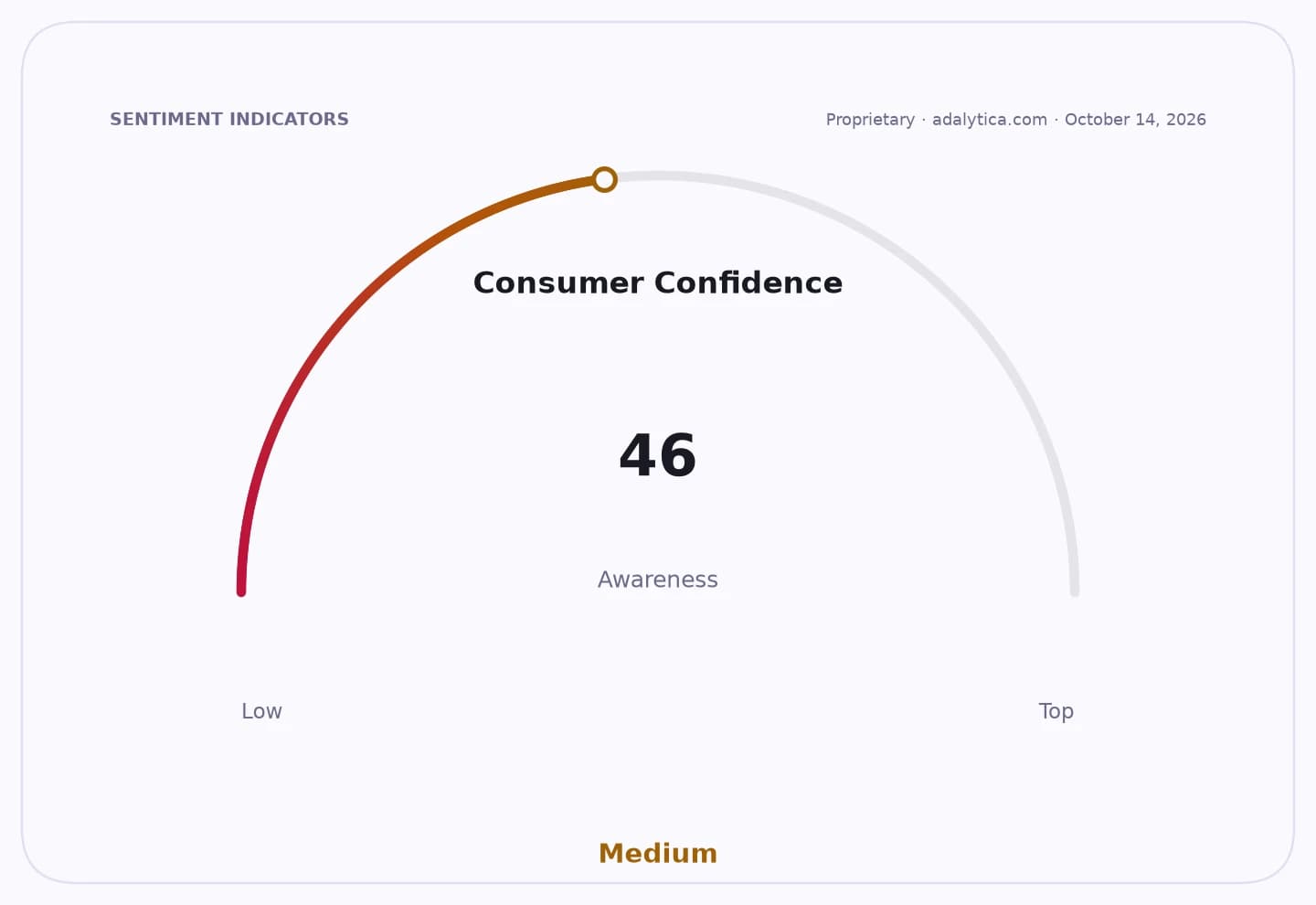
Sentiment IndicatorsⓘProprietary · adalytica.com · October 3, 2026
This is a snapshot — live sentiment, awareness and momentum for 130+ markets update continuously in the dashboard.Open AlphaPulse
The money will be used to give more pedagogues, pedagogical assistants and child-care helpers the chance to upskill and pursue education. In practical terms, that is an effort to professionalize a sector that has long struggled with staffing pressure and uneven access to trained workers. Better-trained staff can improve retention, reduce burnout and make centers more attractive employers — all important if policymakers want more children cared for while parents remain attached to the labor market.
There is also a fiscal angle. Training spending is not the same as a broad subsidy, but it can be cheaper than paying for the economic fallout of labor shortages elsewhere. If more parents can work full time, tax revenues rise and welfare costs are easier to manage. That is why child-care policy often pays off in places the budget table does not always capture.
For the market, the immediate read-through is modest, but the broader message matters: governments are still willing to spend on the infrastructure of participation, not just on headline growth measures. That tends to support consumer spending, workforce stability and the kind of long-duration economic resilience investors like to see in Scandinavia’s highly regulated economies.
The bigger question is execution. Training programs only matter if they lead to more qualified staff, lower vacancy rates and better day-to-day capacity in centers. If the initiative works, it could become one of those unglamorous but powerful policies that supports employment for years. For long-term investors, that makes it worth watching as part of the broader story on labor supply, family economics and the durability of Denmark’s model.
| Entity | Gains | Losses |
|---|---|---|
| Child-care workers | ▲Better training, higher qualifications | ▼Little immediate downside |
| Parents of young children | ▲More reliable child care | ▼Delays if staffing stays tight |
| Danish economy | ▲Stronger labor participation | ▼Budget gets a smaller surplus |
| Private employers | ▲Easier employee retention | ▼Some tax-funded resources diverted |