Egypt’s labor ministry has opened applications and testing today for jobs tied to the Dabaa nuclear power plant project, with monthly pay reaching 40,000 Egyptian pounds, underscoring how the state’s biggest energy buildout is starting to translate into real employment and local industrial demand.
Egypt Dabaa nuclear project opens hiring drive
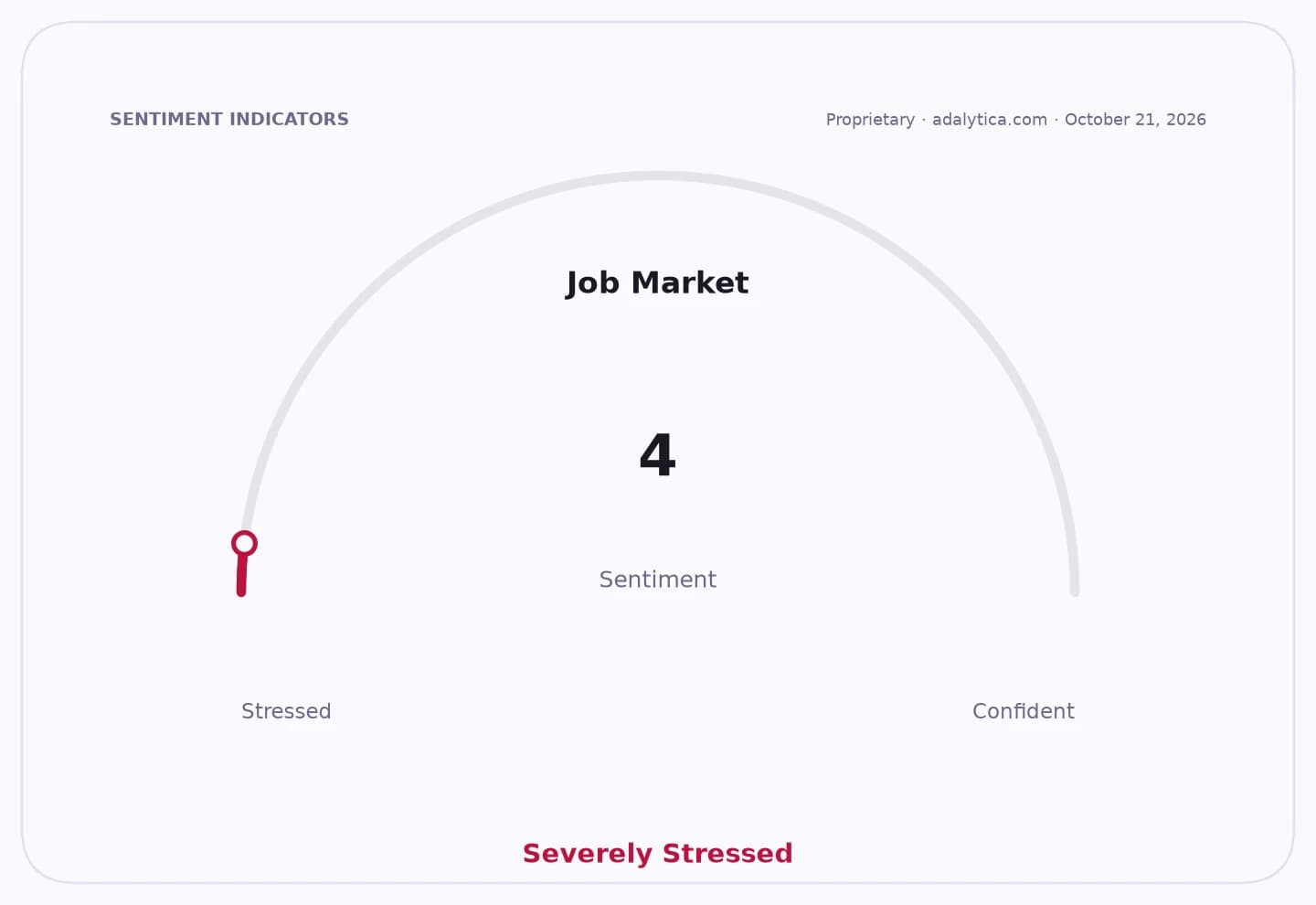
The hiring drive matters because Dabaa is more than a construction site: it is one of Egypt’s flagship strategic projects, linking energy security, industrial localization and skilled-job creation in a single program. At a time when households and businesses are still living with tight labor conditions and elevated living costs, a project that can offer wages as high as 40,000 pounds stands out as a meaningful pocket of upward pay pressure in a market where many jobs pay far less.
Sentiment IndicatorsⓘProprietary · adalytica.com · October 21, 2026
This is a snapshot — live sentiment, awareness and momentum for 130+ markets update continuously in the dashboard.Open AlphaPulse
For investors, the story is not just about a few vacancies. It reinforces the broader thesis that Egypt’s infrastructure and energy capex cycle is deepening, with large public projects pulling through subcontractors, logistics providers, materials suppliers and service companies. Nuclear development also tends to have a long tail: the early labor phase is followed by years of procurement, engineering, transport, maintenance and specialist services, creating a durable ecosystem around the plant.
That is where the market may still be underpricing the opportunity. Big-ticket sovereign projects like Dabaa often create second-order beneficiaries long before the asset itself comes online. Contractors with access to government work, regional engineering firms, cement and steel suppliers, and labor-recruitment platforms can all see incremental demand as hiring broadens beyond the project’s first wave.
The wage range also matters politically and economically. High-paying project work can help draw qualified workers into formal employment, support household consumption in surrounding regions and encourage training in technical trades that Egypt needs for a more industrial economy. In a country looking to expand productive employment rather than rely on short-term relief, that is a meaningful signal.
The next catalyst will be whether this hiring round is followed by broader vendor contracts and additional recruitment tied to the plant’s next construction stages. If it is, Dabaa will remain one of the clearest ways to play Egypt’s long-duration infrastructure and energy buildout, with the real upside likely sitting not in the headline project itself, but in the supply chain built around it.
| Entity | Gains | Losses |
|---|---|---|
| Dabaa project contractors | ▲New labor pool | ▼Higher staffing costs |
| Job seekers in Qena | ▲High-wage openings | ▼Limited slots |
| Local suppliers | ▲More project demand | ▼Capacity strain |
| Competing low-wage employers | ▲Talent pressure | ▼Worker attrition |