Egypt’s largest labor federation says the country’s informal workforce is bigger than the widely cited 12 million estimate, underscoring how much of the economy still sits outside formal wages, tax collection and social protection.
Egypt labor federation says informal workforce larger
The estimate matters because informal workers are a large, structurally important part of Egypt’s labor market and a drain on productivity and household security when they lack pensions, insurance and enforceable contracts. Bringing even part of that group into a legal framework would widen the state’s reach over employment conditions and social contributions.
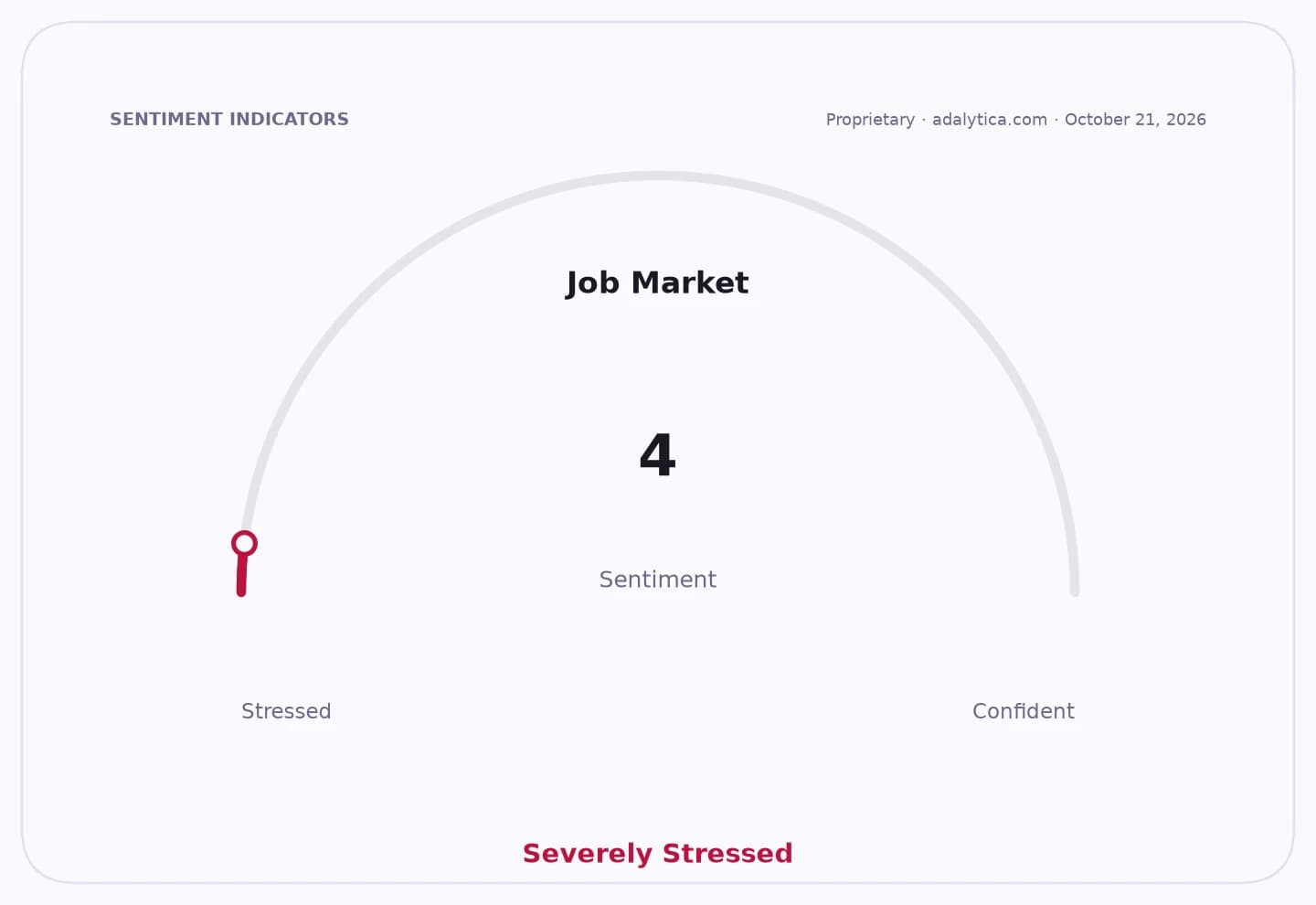
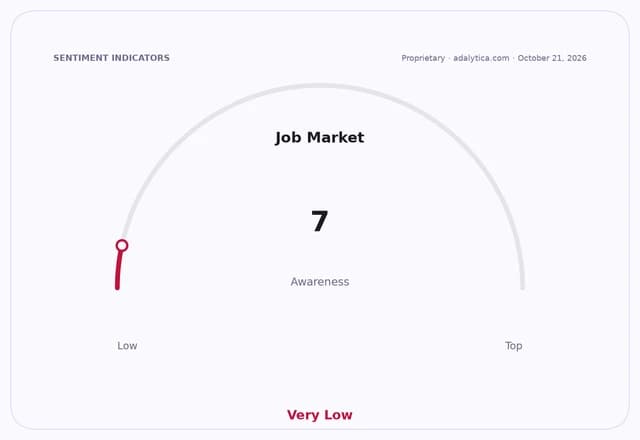
Sentiment IndicatorsⓘProprietary · adalytica.com · October 21, 2026
This is a snapshot — live sentiment, awareness and momentum for 130+ markets update continuously in the dashboard.Open AlphaPulse
Abdel Moneim El-Gamal, head of the Egyptian Federation of Trade Unions, said the 12 million figure is “modest” and does not reflect the true scale of irregular employment. He said the category includes workers without a formal employer or safety net, spanning traditional casual labor, flexible work arrangements and delivery riders.
His comments come as Egypt’s new Labor Law No. 14 includes provisions covering informal workers for the first time, alongside flexible work and delivery services, with further implementing decisions expected to define how those jobs are regulated. That makes the policy shift more than symbolic: it creates a framework for registration, oversight and potentially mandatory protection for millions of workers now operating in the shadow economy.
For investors, the issue cuts beyond labor rights. A larger formalized workforce would eventually affect payroll costs, compliance burdens and consumer spending power, while also shaping public finances if more workers are drawn into social insurance schemes. It also matters for employers in logistics, platform delivery and other labor-intensive sectors that rely on flexible workforces.
El-Gamal said the informal workforce has gained more official attention in recent years under directives from President Abdel Fattah al-Sisi, and he pressed for broader social and insurance coverage funded through the informal workers’ fund and available grants. He also criticized the negative portrayal of informal workers in media and drama, saying it discourages some people from documenting their real occupations.
The next test is execution: how quickly the government issues the promised regulations, how many workers are actually registered, and whether the funding exists to extend insurance coverage at scale. Until then, Egypt’s informal labor market remains a major source of hidden economic risk and untapped reform potential.
| Entity | Gains | Losses |
|---|---|---|
| Informal workers | ▲Broader legal protection | ▼Greater regulation |
| Egyptian state | ▲Larger formal labor base | ▼Higher admin burden |
| Employers using casual labor | ▲Clearer rules | ▼Higher compliance costs |
| Delivery/platform firms | ▲Defined labor framework | ▼Potential wage and insurance costs |