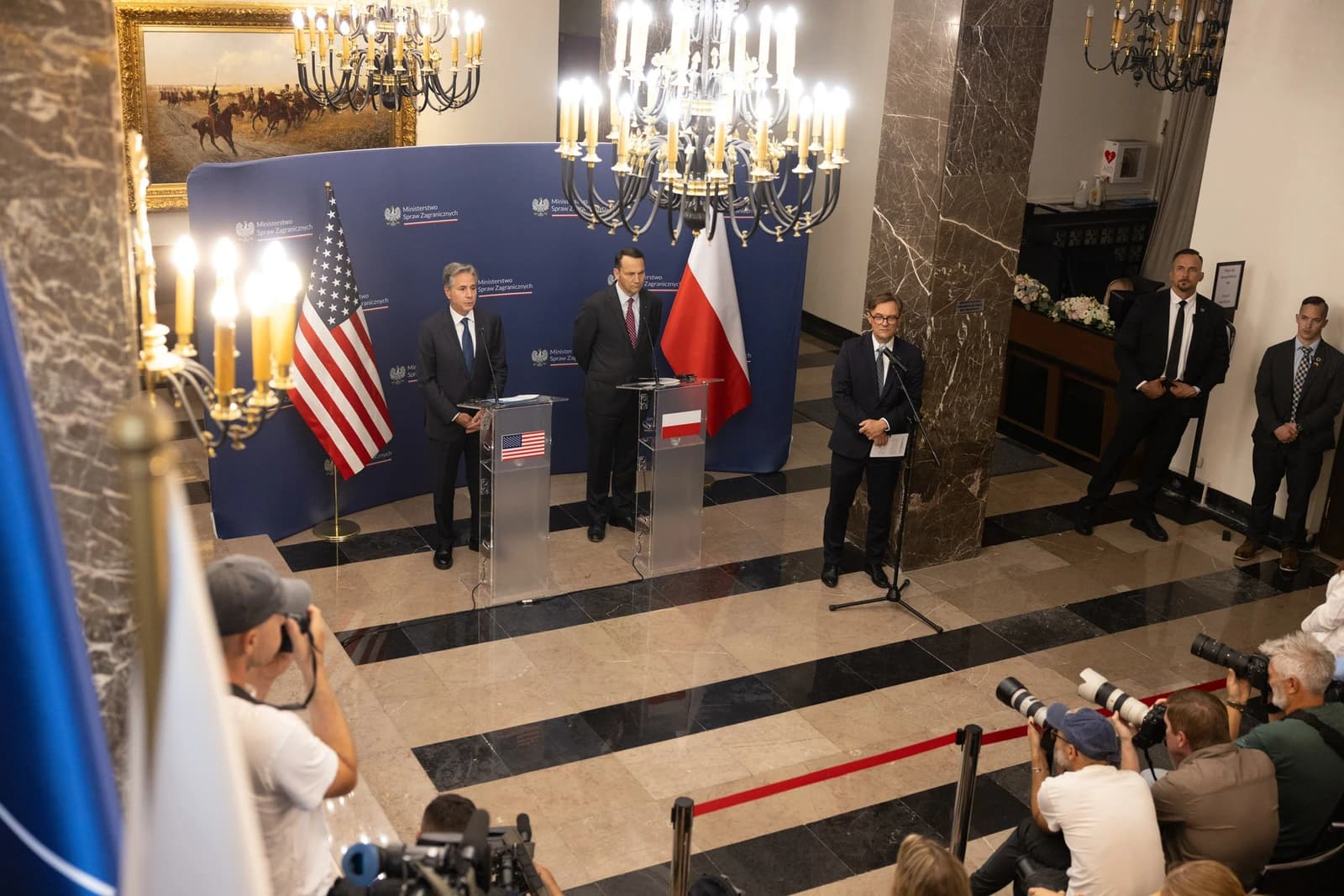
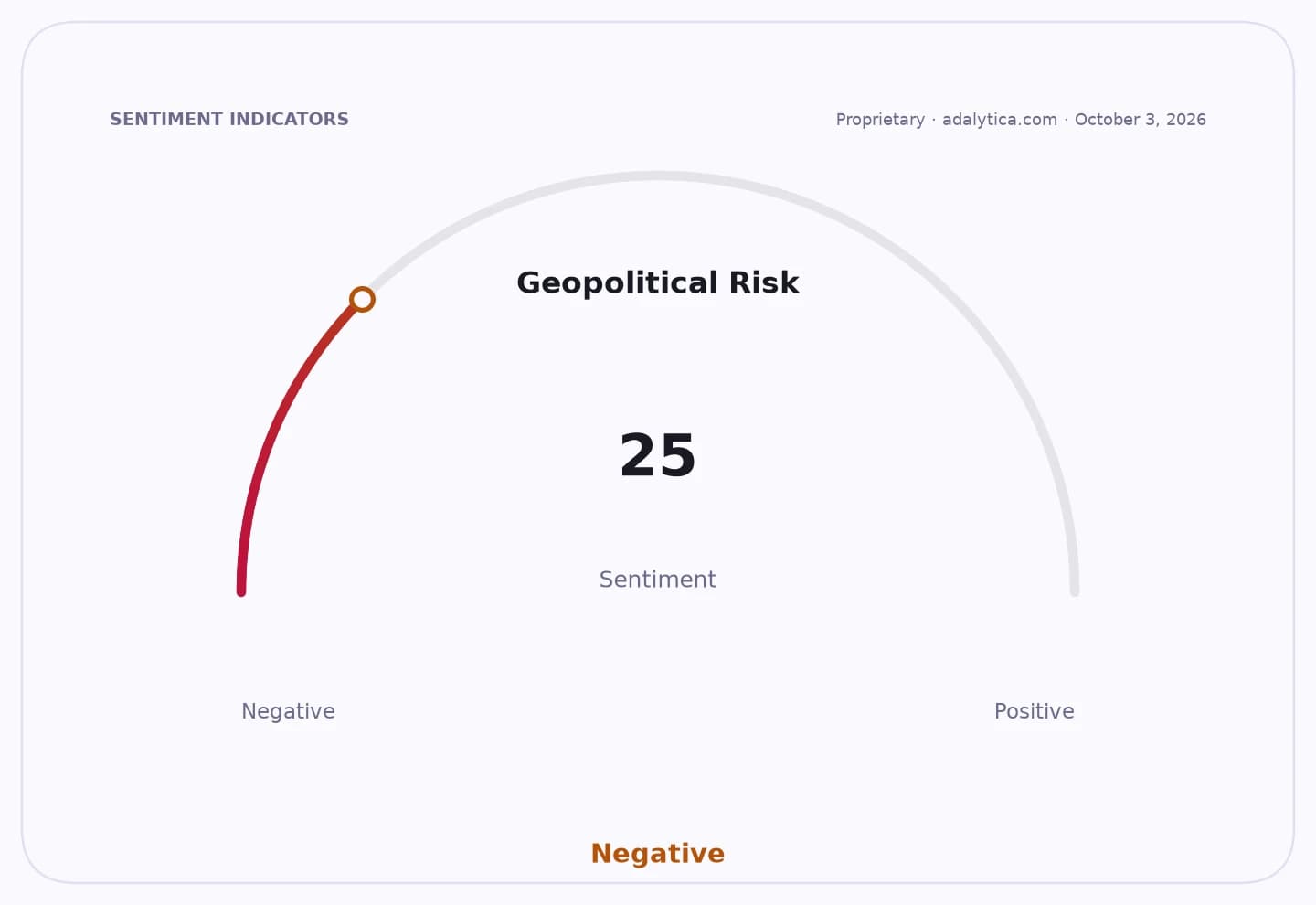
Denmark is set to strengthen police and domestic security services with DKK 800 million, a move that reflects mounting concern about hybrid threats, espionage and the wider security environment around NATO’s northern flank.
Denmark Raises Police and Security Spending by DKK 800M
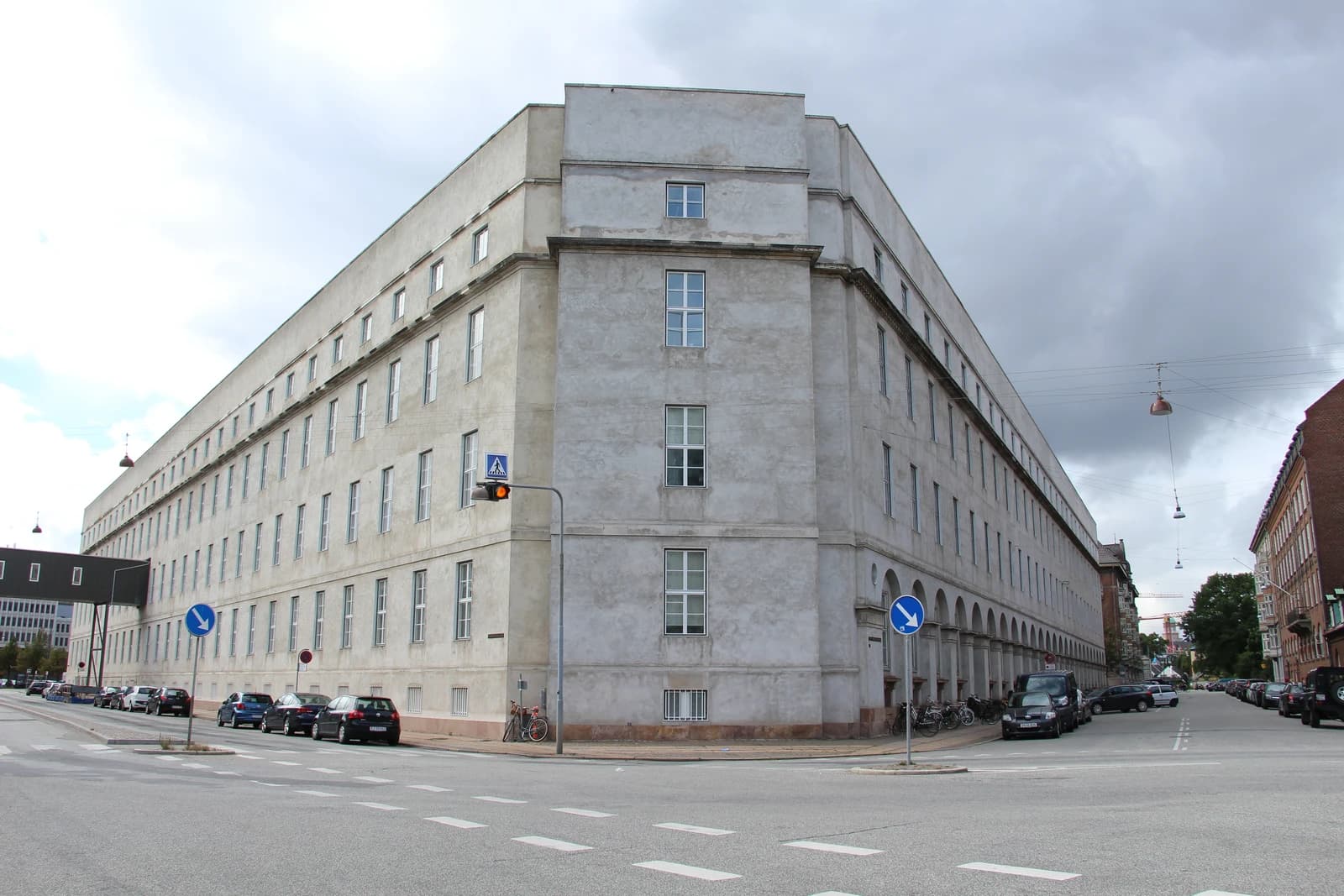
The spending increase matters because it is not just a budget top-up. It signals that Copenhagen is treating internal security as a strategic priority at a time when Danish military intelligence has warned Russia could attempt a limited operation against a NATO country in the coming months, even if the probability is still described as low. In practice, that puts more pressure on surveillance, counterintelligence, border security and public-order capacity, all of which become more expensive as the threat picture broadens.
For investors, the policy shift is relevant because defense and security spending is moving further up the agenda across Europe, and Denmark is adding to that trend from a relatively small fiscal base. That can support procurement and services linked to surveillance technology, communications security and critical infrastructure protection, while also reinforcing the case for higher and more durable security budgets across the Nordic region.
The announcement also fits a broader pattern in which governments are responding to Russia’s posturing not only with military replenishment but with resilience spending at home. The recent agreement between the US, Denmark and Greenland to tighten permanent security control in the Arctic underscores how the region is becoming a more contested strategic space, increasing the odds that security outlays remain elevated rather than temporary.
The bull case for the measure is that it improves deterrence and preparedness at a relatively modest cost. The bear case is that security budgets can rise faster than operational efficiency, especially if governments struggle to convert extra funding into measurable capability. For markets, the key question is whether this becomes a one-off response or part of a longer European reallocation toward domestic security, border control and intelligence assets.
| Entity | Gains | Losses |
|---|---|---|
| Danish police and PET | ▲Larger budgets | ▼Pressure to deliver results |
| Security-tech suppliers | ▲More contract opportunities | ▼Lower urgency if threats ease |
| Danish taxpayers | ▲Potentially better security | ▼Higher public spending |
| Russia-aligned actors | ▲— | ▼Stronger deterrence and surveillance |