Russia could use the Norwegian archipelago of Svalbard to probe NATO unity without triggering a clean military response, according to defense experts, sharpening concerns that Moscow is looking for another gray-zone pressure point as hybrid threats across Europe escalate.
Russia Could Test NATO in Svalbard
The warning matters because Svalbard’s legal status makes it a more ambiguous flashpoint than places such as Narva in Estonia. The territory is Norwegian, but the 1920 Svalbard Treaty gives other signatories a right to operate there, creating exactly the kind of jurisdictional fog Russia has repeatedly exploited in Europe.
At the center is Barentsburg, a Russian mining settlement on western Svalbard where the state-owned Arktikugol has mined coal since the 1930s. Fewer than 400 people live there, but Russia also maintains a consulate, while Russian companies have expanded tourist trips to the area and the Russian military has tested missiles nearby, underscoring how Moscow can retain a presence without an overt base.
Johan Huovinen, a military expert at the Swedish Defence University, said Russia may keep the mine running at a loss to preserve a geopolitical foothold on Norwegian soil in the Arctic. He said Moscow could increase its presence with military or border units, or even FSB or police personnel, under the pretext of protecting Russian assets.
That would put NATO in a difficult position. Svalbard is a demilitarized zone, and Russia has no treaty right to station forces there, but a larger Russian deployment in Barentsburg could still be framed by Moscow as a defensive move, forcing allies to debate whether Article 5 is implicated and what response would be proportionate.
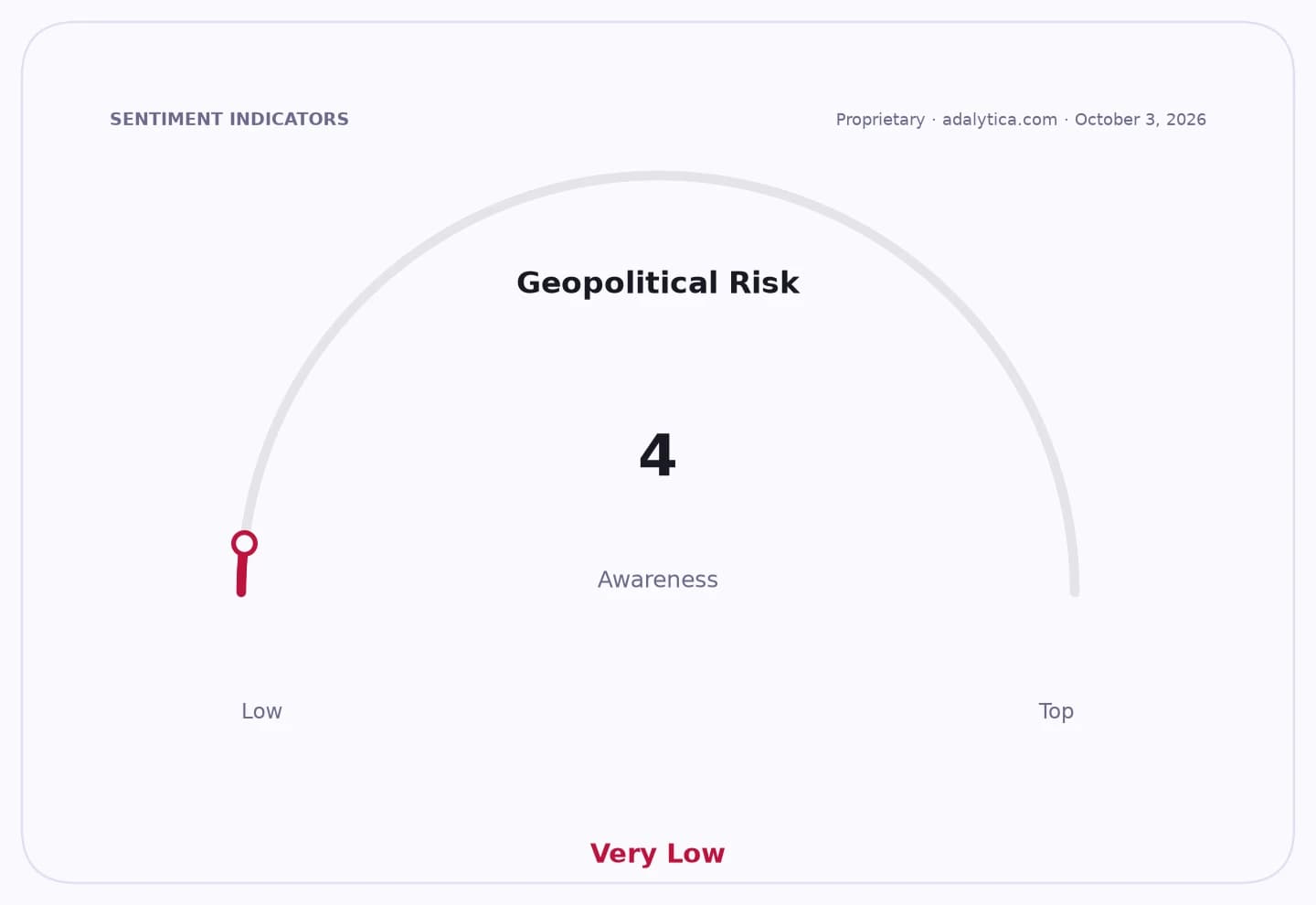
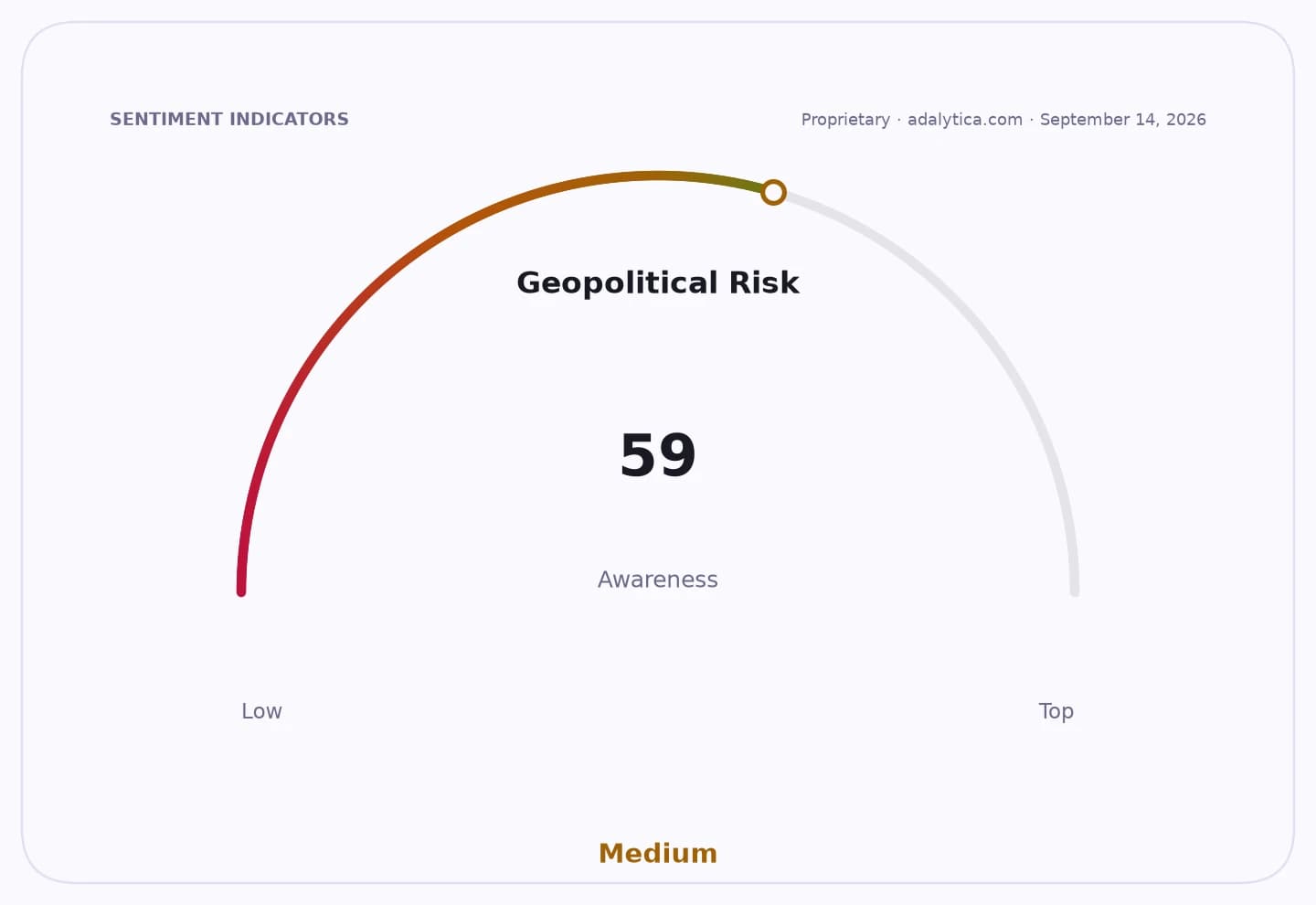
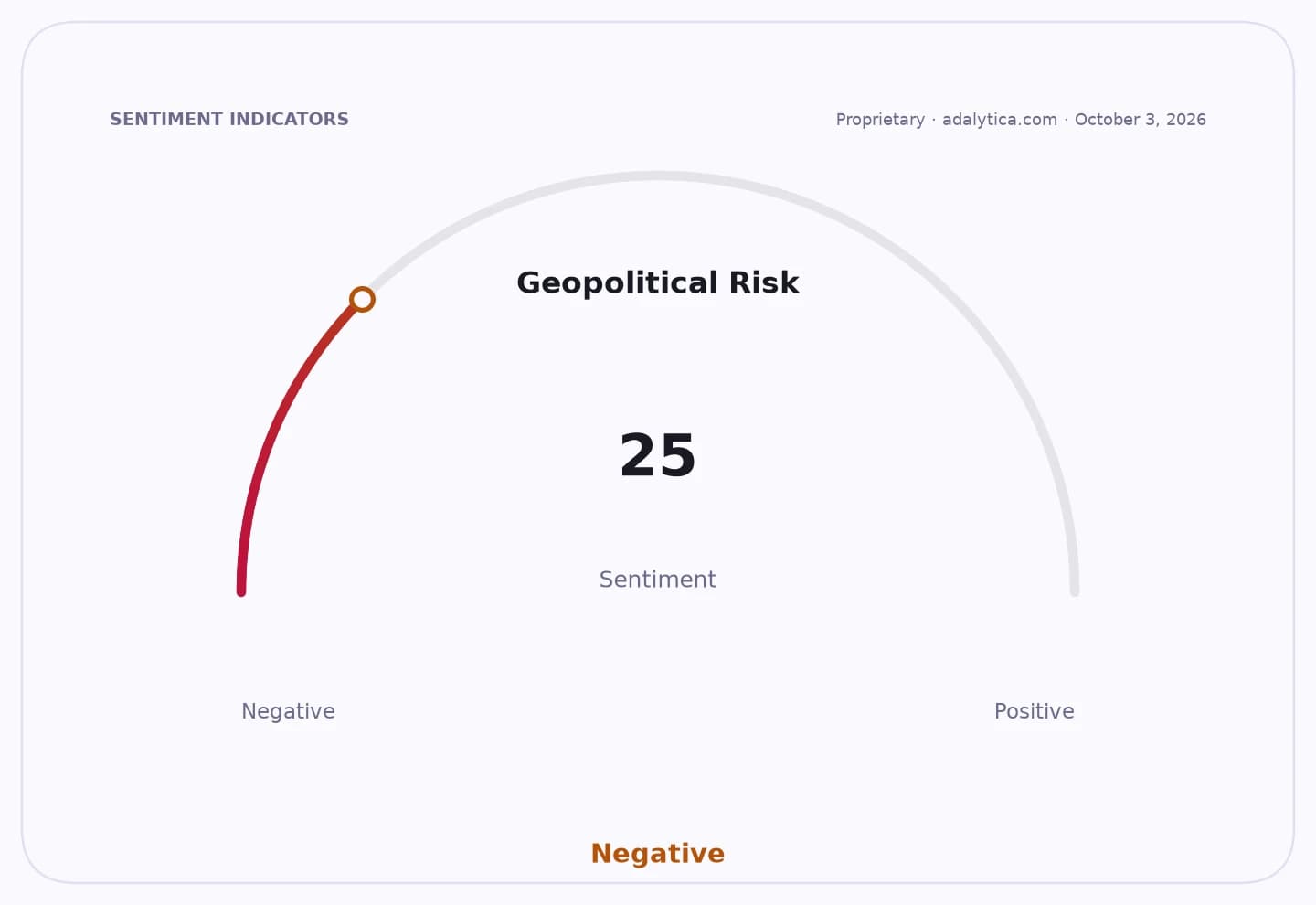
The broader economic and market significance is indirect but real. The Arctic is gaining strategic importance as Russia seeks leverage over shipping, energy routes and military access, while Europe faces a sustained rise in hybrid attacks, suspected drone incidents and cyber threats. Adalytica’s Global Stability Sentiment gauge is in “Fear” at 25, with “Extreme Fear” awareness at 4, reflecting how quickly geopolitical stress can reprice risk even without shots fired.
Defense contractors are among the clearest beneficiaries when geopolitical risk rises. Lockheed Martin, Northrop Grumman and RTX have all highlighted in recent filings that global conflicts and heightened tensions are supporting demand for security and defense systems, even as their shares have recently pulled back sharply from earlier highs and technical indicators show oversold conditions for some names.
For investors, the takeaway is that the market is not just watching the war in Ukraine or the Baltic states. A Russian move in Svalbard would be a test of NATO cohesion in the Arctic, where ambiguity itself is the weapon, and where any sign of allied hesitation could encourage more pressure elsewhere.
The immediate catalyst to watch is whether Russia steps up its civilian, police or security presence in Barentsburg, or whether NATO responds publicly to the risk of a controlled provocation in the far north.
| Entity | Gains | Losses |
|---|---|---|
| Russia | ▲More NATO pressure points | ▼Risk of tighter sanctions |
| NATO allies | ▲Defense spending tailwind | ▼Higher security exposure |
| Defense contractors | ▲Demand for air and missile defense | ▼Policy-driven volatility |
| Svalbard/Norway | ▲Strategic attention | ▼Sovereignty stress |