Germany’s public sector and enterprise customers are getting a clearer path to homegrown artificial intelligence, after Deutsche Telekom said it invested 100 million euros in France’s Mistral AI as the first step in a broader strategic partnership. For investors, the significance goes far beyond one startup deal: Europe is trying to build an AI ecosystem that keeps data, infrastructure and decision-making closer to home, and that could reshape who wins enterprise contracts in one of the world’s biggest industrial markets.
Deutsche Telekom Invests 100M in Mistral AI
The logic is straightforward. If European companies and government agencies want advanced AI without leaning entirely on U.S. platforms, they need more than model software — they need trusted infrastructure, local support and compliance-ready deployment. That is where Deutsche Telekom can add value. The telecom group said it will pair its digital-sovereignty infrastructure, client relationships and systems-integration know-how with Mistral’s large language models and enterprise software, with a special focus on regulated industries.
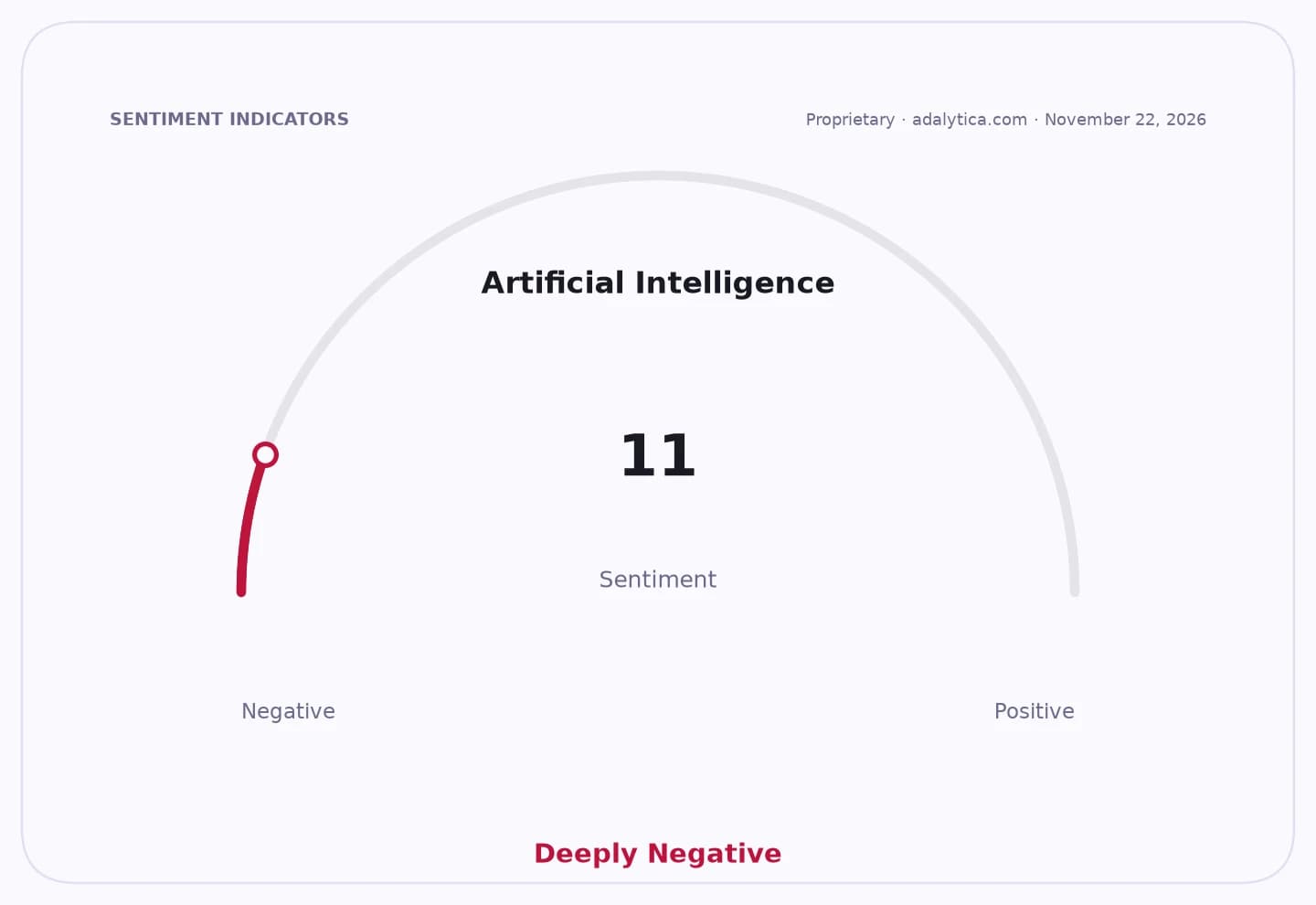
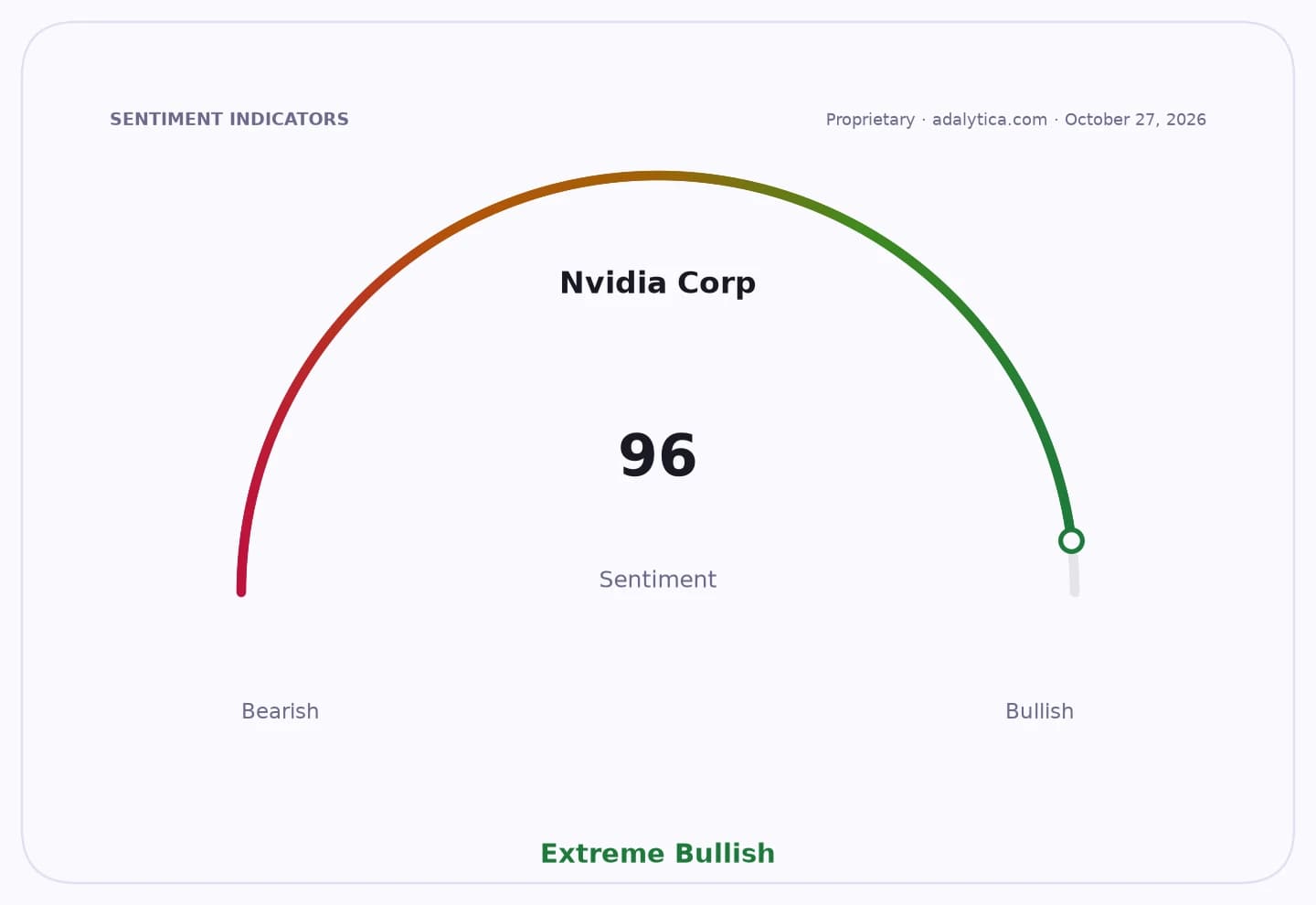
Sentiment Indicators
That matters economically because AI adoption is moving from experimentation to infrastructure spending. Companies in sectors such as manufacturing, logistics, finance and public administration do not just want the best model; they want secure deployment, predictable governance and control over data. Those requirements favor partnerships like this one, where a local infrastructure owner and a model developer join forces to sell a packaged solution. If it works, it could help keep more of Europe’s AI spending inside the region instead of flowing to U.S. hyperscalers and software giants.
Deutsche Telekom has already shown it is willing to spend heavily to build that base. It opened an AI computing center in Munich in February and said it is expanding the facility after strong demand, having invested just under 250 million euros to double computing capacity. The center is already being used for training language models, robotics development and industrial simulation, with Siemens and Daimler Truck among its customers. That gives the Mistral tie-up immediate credibility: this is not a concept pitch, but an extension of an existing platform.
Mistral, meanwhile, is emerging as Europe’s best-known challenger to OpenAI, Google and Anthropic. The French startup raised 3 billion euros in September and has been widening its footprint in Germany, including a new Munich center. The investment from Deutsche Telekom helps validate that strategy and may accelerate adoption among European enterprises that have been waiting for a regional alternative with serious scale.
For investors, the trade-off is familiar. Partnerships like this can create durable revenue streams if they turn into sticky enterprise contracts, but they also require ongoing capital spending and execution. Deutsche Telekom is effectively wagering that sovereignty-driven AI demand will be large enough to justify the infrastructure buildout. If that bet pays off, the company could strengthen its position as a critical enabler of Europe’s AI economy rather than just a connectivity provider.
The bigger takeaway is that Europe is no longer content to be a customer of imported AI systems. It wants to own more of the stack, from data centers to model deployment, and this deal is one of the clearest signs yet that the continent is trying to compete on its own terms. For long-term investors, that makes Deutsche Telekom worth watching as a beneficiary of the next phase of AI spending — not just in Germany, but across the region.
| Entity | Gains | Losses |
|---|---|---|
| Deutsche Telekom | ▲AI infrastructure relevance | ▼Capital outlay |
| Mistral AI | ▲Distribution and credibility | ▼Dependence on partners |
| European enterprises | ▲Local AI options | ▼Reliance on U.S. vendors |
| U.S. AI rivals | ▲None | ▼Share of European enterprise demand |