Diesel shortages are no longer just a station-level nuisance in Pekanbaru; they are a symptom of a broader fuel market squeeze that is lifting costs, unsettling supply chains and forcing policymakers to react.
Diesel Squeeze Boosts Refiners, Pressures Transport
The immediate significance is economic. Diesel is the workhorse fuel for logistics, mining, construction, agriculture and public transport, so when pumps run dry the hit spreads quickly beyond motorists. For a city like Pekanbaru, where commercial transport and distribution depend heavily on steady fuel availability, intermittent shortages can slow deliveries, raise operating costs and filter into consumer prices.
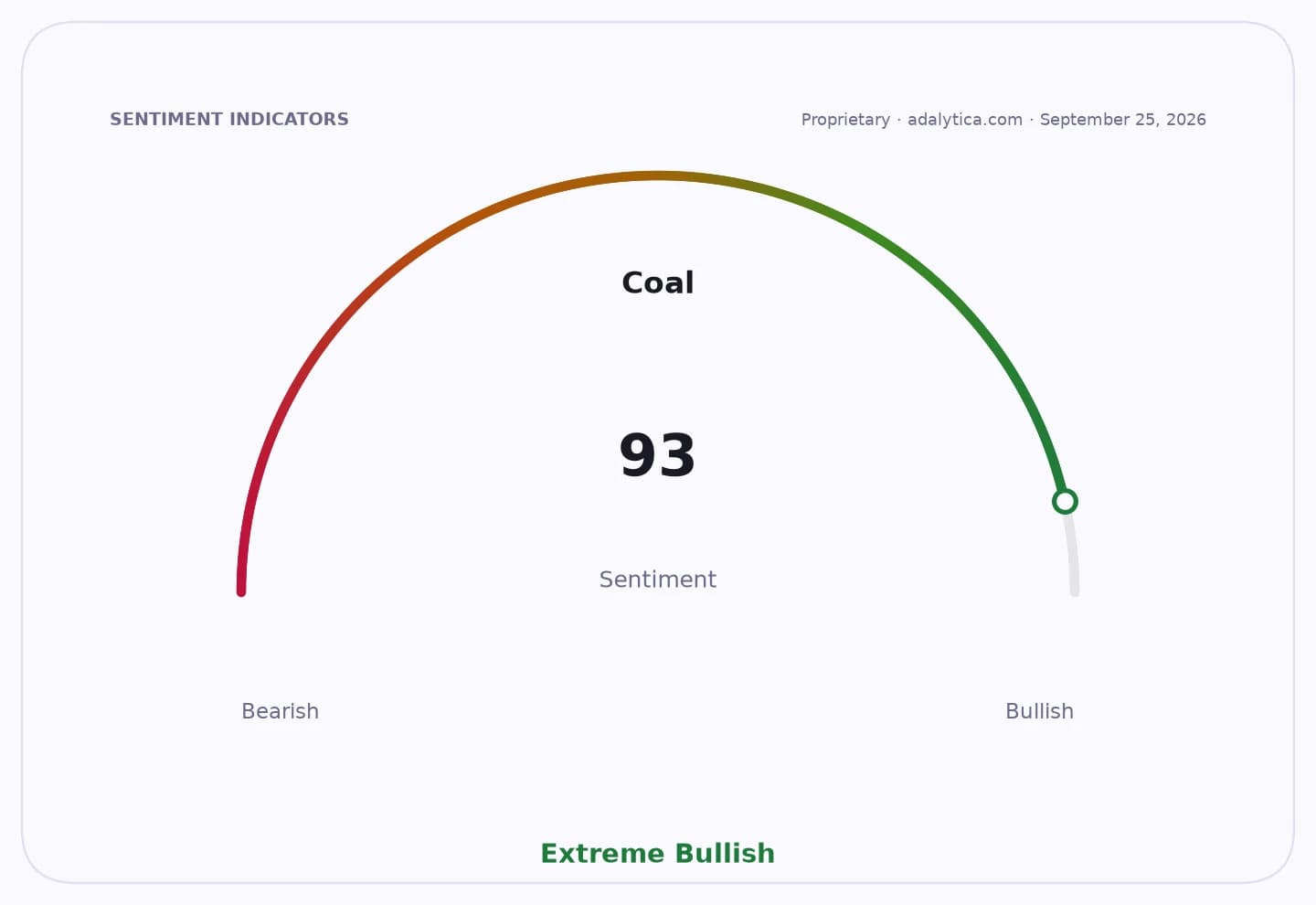
Sentiment IndicatorsⓘProprietary · adalytica.com · July 15, 2026
This is a snapshot — live sentiment, awareness and momentum for 130+ markets update continuously in the dashboard.Open AlphaPulse
That local strain is unfolding against a much larger global backdrop. Russia’s ban on diesel exports has tightened an already fragile market, squeezing supplies at a time when refineries and inventories have little room for error. The result is not just higher spot prices, but a wider risk premium across fuel markets as traders price in disruption, rationing and emergency policy steps. The diesel crunch is especially important because middle distillates are harder to replace than gasoline in the short term, and because industry demand is more inelastic.
For investors, the story is a reminder that energy volatility is not confined to crude. Refiners, fuel distributors and transport-heavy sectors can all feel the impact when diesel spreads widen. Higher diesel prices can support margins for upstream and refining names in the near term, but they also threaten demand and can weigh on freight, industrial activity and consumer spending. That tension is visible in the market backdrop: Exxon Mobil, Chevron and ConocoPhillips have all seen sharply stronger equity performance over the period, reflecting a broader repricing of the energy complex as supply risks mount, even as technical indicators show some near-term cooling after strong rallies.
The policy response from members of the Pekanbaru DPRD matters because it signals pressure for local intervention at a time when market fixes are unlikely to be immediate. Lawmakers can push for tighter oversight of distribution, coordination with fuel suppliers and steps to curb leakage or hoarding, but they cannot solve a global supply shock on their own. That makes the story less about one city’s shortages than about how imported energy disruptions are translating into domestic political and economic stress.
The bull case for energy markets is that tight diesel supply keeps refining margins elevated and supports upstream pricing power. The bear case is that sustained shortages eventually destroy demand, force policy intervention and slow growth in fuel-dependent sectors. For Pekanbaru and other fuel-constrained markets, the key question is whether authorities can stabilize distribution quickly enough to prevent a short-term shortage from becoming a broader inflation problem.
| Entity | Gains | Losses |
|---|