Disney is turning to Adobe to compress the cost and time of developing content and experiences, a move that could help the entertainment group hit aggressive savings targets while keeping control of its most valuable intellectual property.
Disney and Adobe Launch Custom AI Models
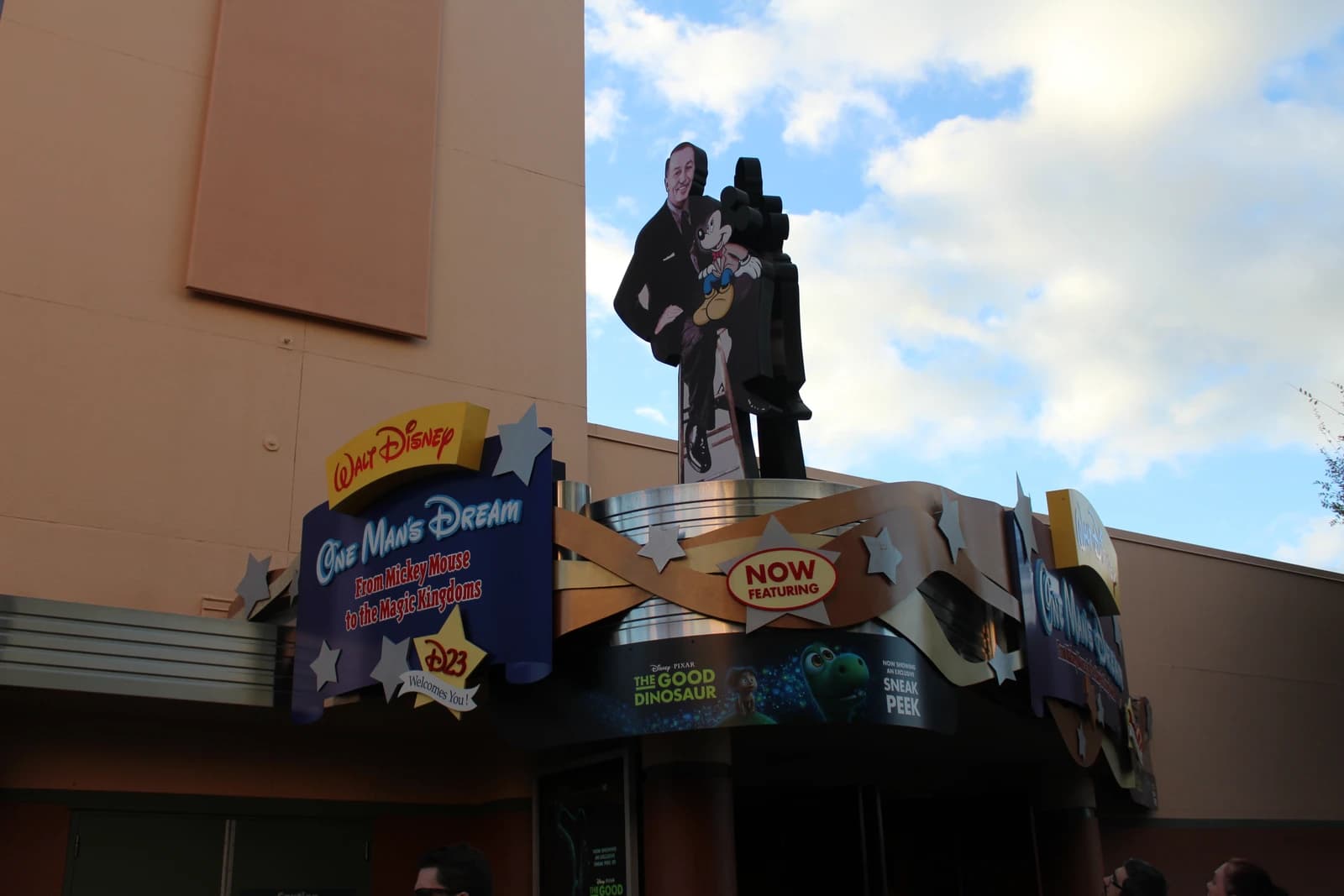
The companies said Monday they will co-develop custom generative AI models trained on Disney’s IP through Adobe’s Firefly Foundry, with early use cases spanning Disney’s Experiences unit, StudioLAB and ESPN. The models are private and proprietary to Disney, a crucial detail for a media company whose competitive edge rests on tightly guarded characters, story worlds and archives.
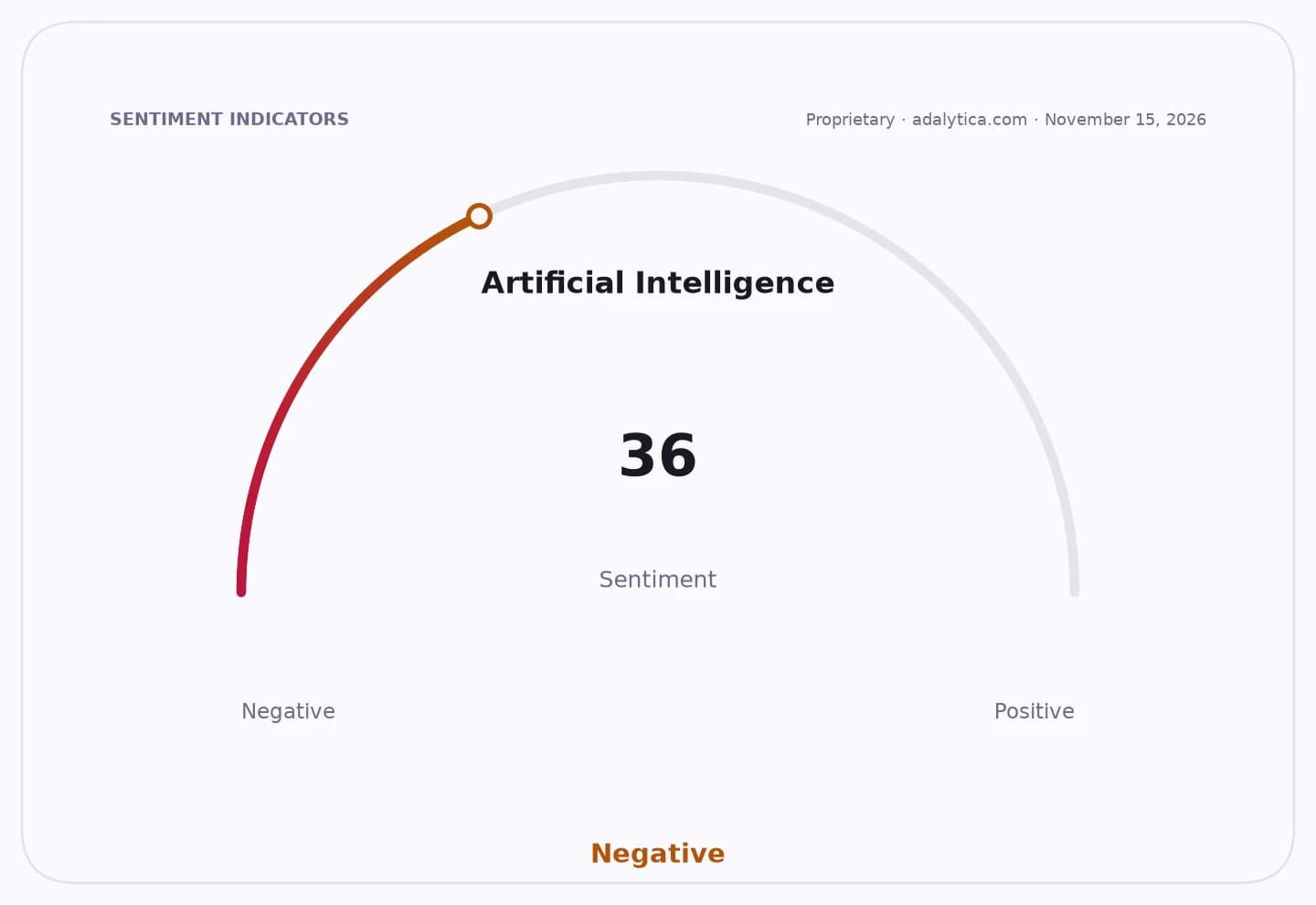
Sentiment Indicators
For Disney, the partnership is less about hype than operating leverage. Management has already been looking for ways to cut costs, with Bloomberg News reporting earlier this month that the company was considering thousands of job cuts and had asked some managers to target 20% annual savings. If Disney can use AI to shorten concept development from months to hours or days, as executives described, it could reduce expensive rework on theme-park projects and accelerate production cycles across the broader portfolio.
That matters because Disney’s Experiences division, which includes theme parks, resorts and cruise lines, is one of the company’s most profitable businesses and a major source of cash. Faster design iteration can improve capital efficiency on projects that often take years to build and can cost billions, while also freeing creative teams to test more ideas before committing to physical construction.
Adobe also gets a strategic validation. The software maker has been pitching Firefly Foundry as an enterprise tool for companies that want custom models rather than generic consumer AI. A Disney deal gives Adobe a marquee customer in one of the most brand-sensitive sectors, reinforcing the case that AI can be sold as a premium workflow product rather than a commodity feature. That could matter for future enterprise demand even as Adobe faces pressure from investors to show that its AI investments can translate into durable revenue.
The market backdrop has been constructive for Disney shares, which have climbed well above the 50-day and 200-day moving averages, while Adobe’s stock remains volatile after a weaker stretch. Disney’s recent price action suggests investors are willing to reward evidence that management is pairing AI with cost discipline. Adobe, by contrast, still has to prove that AI partnerships can help offset concerns about monetization and growth.
There are still obvious limits. Disney said the tools are designed to accelerate creative development and are not meant to replace Imagineering roles, underscoring the sensitivity around automation in media and entertainment. For now, the bigger takeaway is that the company is using AI not as a headline feature, but as a tool to protect margins, speed project delivery and extract more value from its archive and characters without surrendering control.
| Entity | Gains | Losses |
|---|---|---|
| Disney | ▲Faster development, lower costs | ▼Higher AI rollout complexity |
| Adobe | ▲Enterprise validation, deeper AI use case | ▼Pressure to monetize AI quickly |
| Disney creative teams | ▲More iteration capacity | ▼Automation concerns |
| Traditional production workflows | ▲Efficiency gains | ▼Longer timelines, more rework |