Hollywood’s biggest buyers have moved from banning generative AI to demanding a strategy for it, and that shift is reshaping how visual-effects work is sourced, priced and delivered.
Weta FX says studios now demand AI strategy
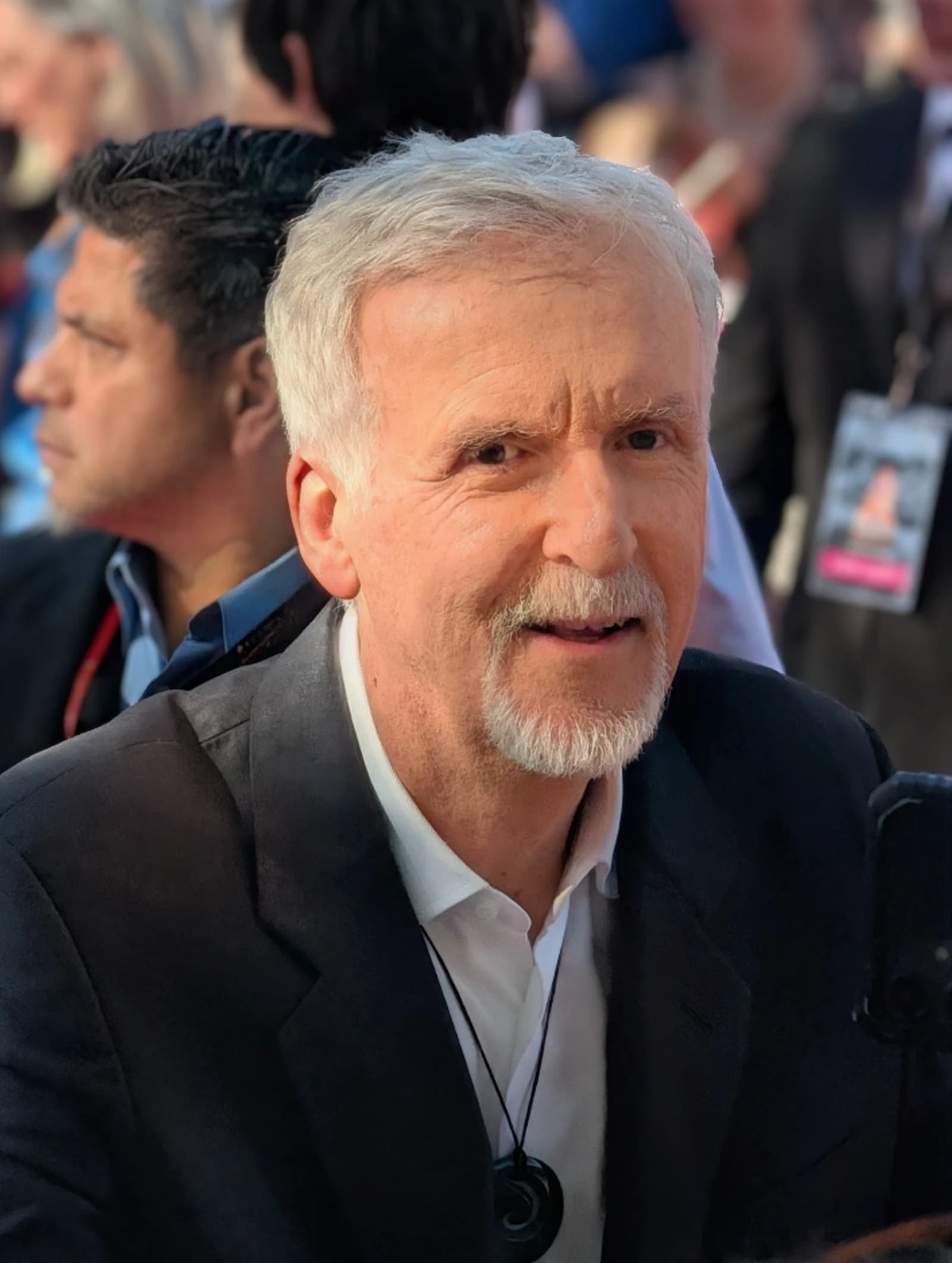
For Weta FX, the turnaround matters because the company sits at the center of the industry’s highest-value production pipeline, supplying effects to the major studios and streaming platforms that now want evidence AI can cut costs without breaking creative control or legal guardrails. Weta chief executive Daniel Seah said the change had accelerated since the third quarter, when clients stopped asking only whether AI was allowed and began insisting vendors explain how it would be used. “If you don’t have an AI strategy, don’t bother to work with us,” he said.
Sentiment Indicators
That is a meaningful inflection for a sector that only months earlier was still operating under near-total restrictions from studio legal departments. Seah said the sequence moved from outright bans early last year, to limited approval with pre-clearance by midyear, to a more commercial phase around year-end in which studios wanted to know how much AI could save them. In practical terms, that turns AI from a compliance issue into a procurement requirement.
The economics are straightforward. Visual effects is a labor-intensive business where even modest gains in speed, iteration and asset reuse can improve margins or allow studios to push more work through the same pipeline. For buyers facing pressure on content budgets, AI promises lower costs and faster turnaround; for vendors, it is becoming a competitive moat if it can be embedded without sacrificing quality. Seah said Weta has no intention of replacing artists with AI, but rather of using it to “enhance” workflows — a framing that reflects the industry’s attempt to preserve human performance while automating more of the repetitive work around it.
That balance is also why the legal and technical constraints still matter. Weta chief technology officer Kimball Thurston said the studio builds its own models for world modification and recreation rather than general-purpose chatbots, and only uses outside tools such as Kling AI and ByteDance’s Seedance when clients permit it. Security restrictions mean those models must be hosted outside China, he said, underscoring how geopolitics and data governance are already shaping the AI stack in entertainment.
The company’s answer has been to seek faster partners. Weta has been working with Taiwanese animation and VFX studio Moonshine Studio for about six months, and its new partnership with the Taiwan Creative Content Agency gives it access to local talent, training and a market that sees AI as part of national industrial strategy. Taiwan’s semiconductor base and government backing make it a logical testbed for AI-enabled production tools, while Weta’s own interest in Asia points to where the next growth may come from: not just hardware, but software and content applications.
For investors, the implications stretch beyond one studio deal. The shift suggests AI adoption in media is moving from controversy to capex and workflow decisions, which could support companies selling creative software, cloud infrastructure and model-hosting services, while intensifying pressure on legacy post-production vendors that cannot show a credible AI roadmap. It also helps explain why large media groups are public about AI caution in filings even as they explore cost-saving uses: the legal risk is real, but so is the competitive risk of standing still.
Weta’s argument is that AI will not erase marquee talent or motion-capture performance, but it will change who wins work and how fast productions can scale. The next phase to watch is whether studios demand not just an AI plan, but proof it can be deployed securely, across long-form content, and without weakening the creative controls that still define premium film and streaming production.
| Entity | Gains | Losses |
|---|---|---|
| AI-ready VFX vendors | ▲More contract wins | ▼Pressure to invest |
| Major studios/streamers | ▲Lower costs, faster workflows | ▼Higher vendor scrutiny |
| Traditional VFX shops | ▲— | ▼Lose bids without AI strategy |
| AI model providers | ▲More enterprise demand | ▼More security restrictions |