Divorce is becoming financially punishing not just because of legal fees, but because higher borrowing costs, weaker household cash flow and messy asset splits are turning separations into balance-sheet events.
Divorce costs rise with high rates and refinancing
Wages
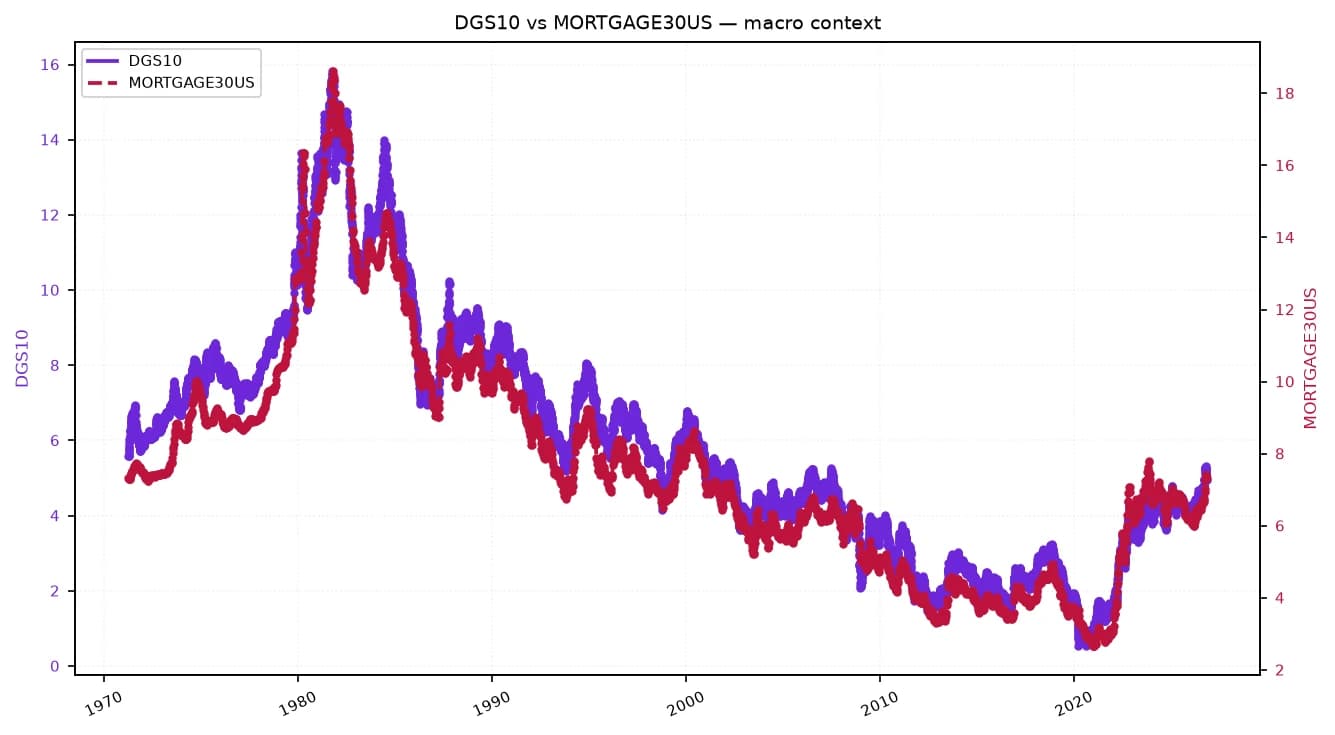
That matters because for many couples the biggest expense is no longer the courtroom battle itself; it is the cost of unwinding a shared mortgage, refinancing debt and dividing assets in a rate environment that is still restrictive. The U.S. 10-year Treasury yield was near 4.83%, while the federal funds rate sits around 3.88%, keeping mortgage and consumer borrowing costs elevated even after the latest pullback from the cycle peak.
Sentiment Indicators
Those rates matter directly to separating households. A spouse who keeps the home may have to refinance at a meaningfully higher rate than the one on the original joint mortgage, raising monthly payments at the same moment income is split in two. That can force fire sales of property, delay settlements and increase the odds that one side leans on credit cards or personal loans to bridge the gap.
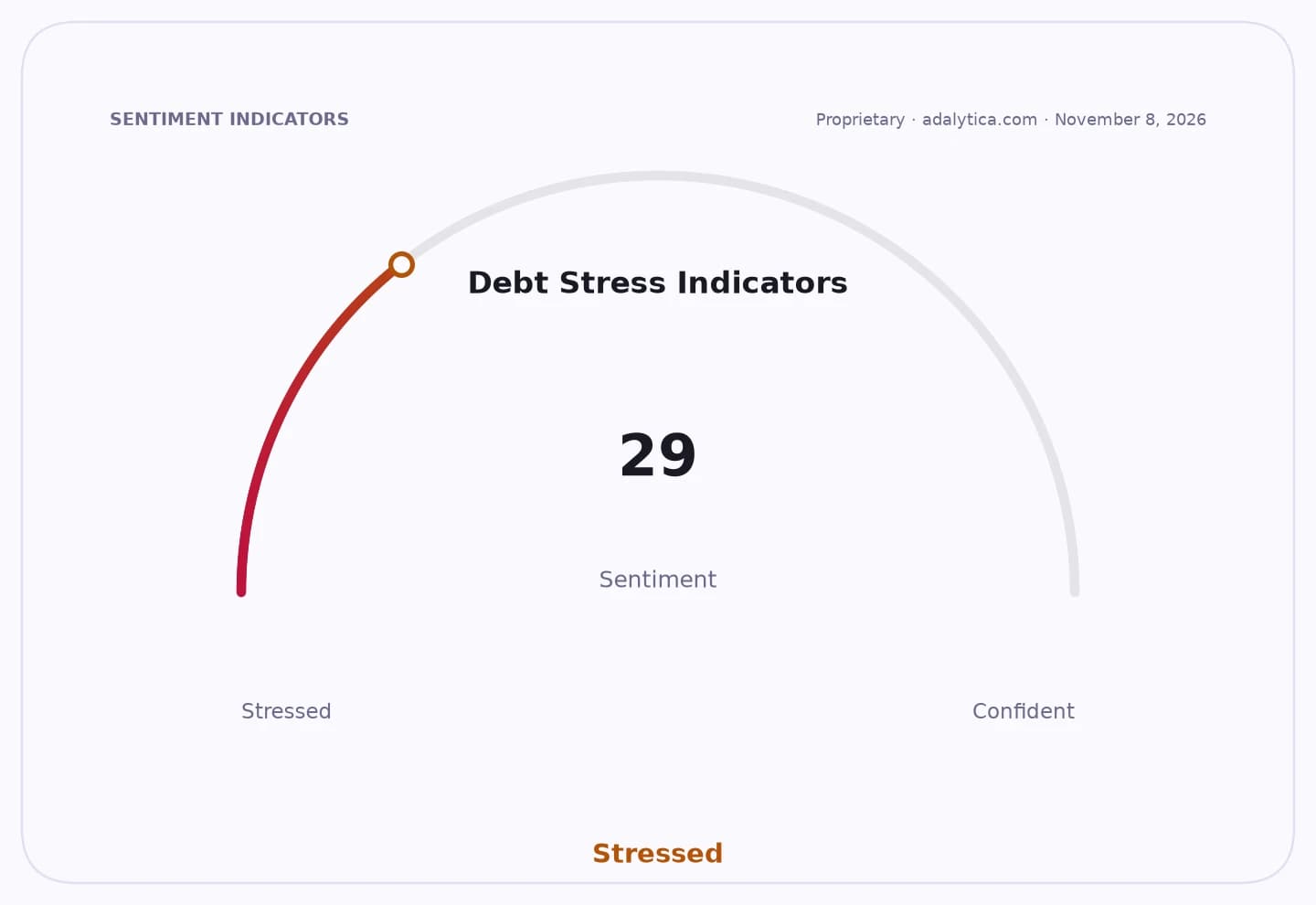
The pressure is showing up across consumer credit behavior. Adalytica’s Credit Card Usage Sentiment is in “Fear” at 29, with awareness at an “Extreme Fear” reading of 4, suggesting households are increasingly uneasy about revolving debt even as price pressures remain sticky. Core inflation, tracked by the Fed’s preferred gauge, is still running above pre-pandemic norms, with the core CPI index at 338.896 in September and forecast to rise again in October.
For investors, the story is a reminder that divorce is not just a family-law issue but a consumer-finance one. Lenders, mortgage originators and card issuers can benefit when households borrow to cover separation costs, but they also face rising delinquency risk if a split leaves one or both parties stretched. Capital One Financial’s shares have slipped to $198.58 from an earlier 2026 high above $254, while Ally Financial remains well below its longer-term moving average, reflecting how credit-sensitive lenders trade when household balance-sheet strain becomes a concern.
The backdrop is a housing market that still penalizes mobility. With refinancing costs elevated and rates only gradually easing, divorce can lock households into expensive legacy loans or push them into the rental market at higher monthly cost. That makes private mediation and quicker asset division more attractive, not just emotionally but economically, because every month of delay can widen the bill.
The key risk for the months ahead is that if borrowing costs stay relatively high and consumer stress deepens, divorce settlements will become even more contested and more expensive. That would favor mediators, family-law specialists and lenders with disciplined underwriting, while increasing pressure on households already living close to the edge.
| Entity | Gains | Losses |
|---|---|---|
| Mediation services | ▲More demand for conflict-free settlements | ▼Fewer prolonged court battles |
| Banks and card issuers | ▲More refinancing and short-term borrowing | ▼Higher credit stress from split households |
| Home sellers/renters | ▲Chance to reset housing arrangements | ▼Forced sales and higher housing costs |
| Divorcing couples | ▲Faster, cleaner asset division if mediated | ▼Legal fees, refinancing costs, cash-flow strain |