More than half of Americans say they have never missed a loan payment, but a much larger share still cannot shrink what they owe, underscoring how stubborn household leverage has become after years of elevated prices and high borrowing costs.
U.S. households stall on debt reduction
A new Lexington Law survey of 1,028 U.S. adults found 56% said they have never missed a due date or defaulted, yet 54% said they made no progress on overall debt in the past year. That gap matters economically because it suggests household credit remains resilient on the surface even as balance sheets stay stretched underneath — a pattern that can delay, rather than eliminate, stress for lenders, credit bureaus and consumer-facing banks.
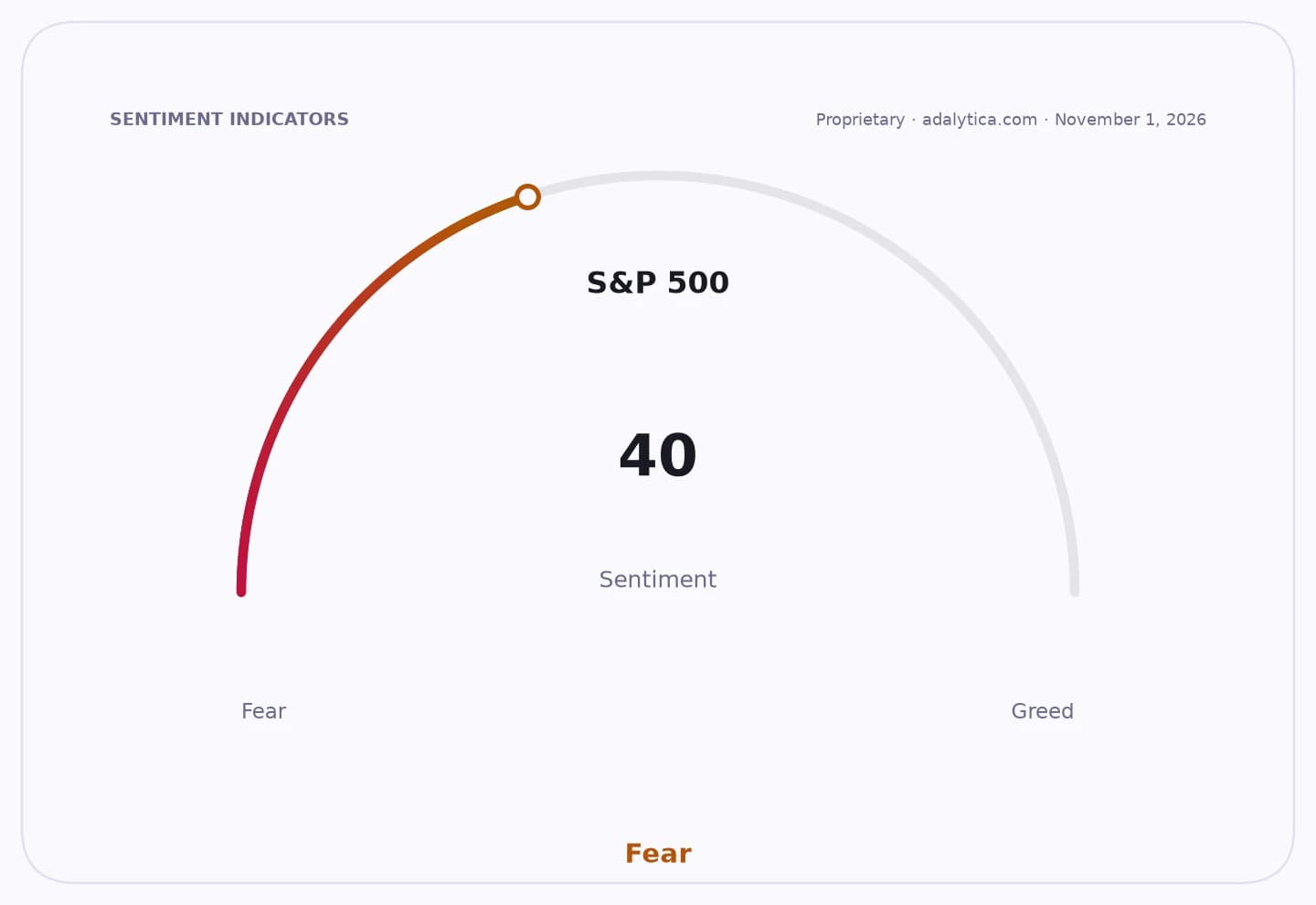
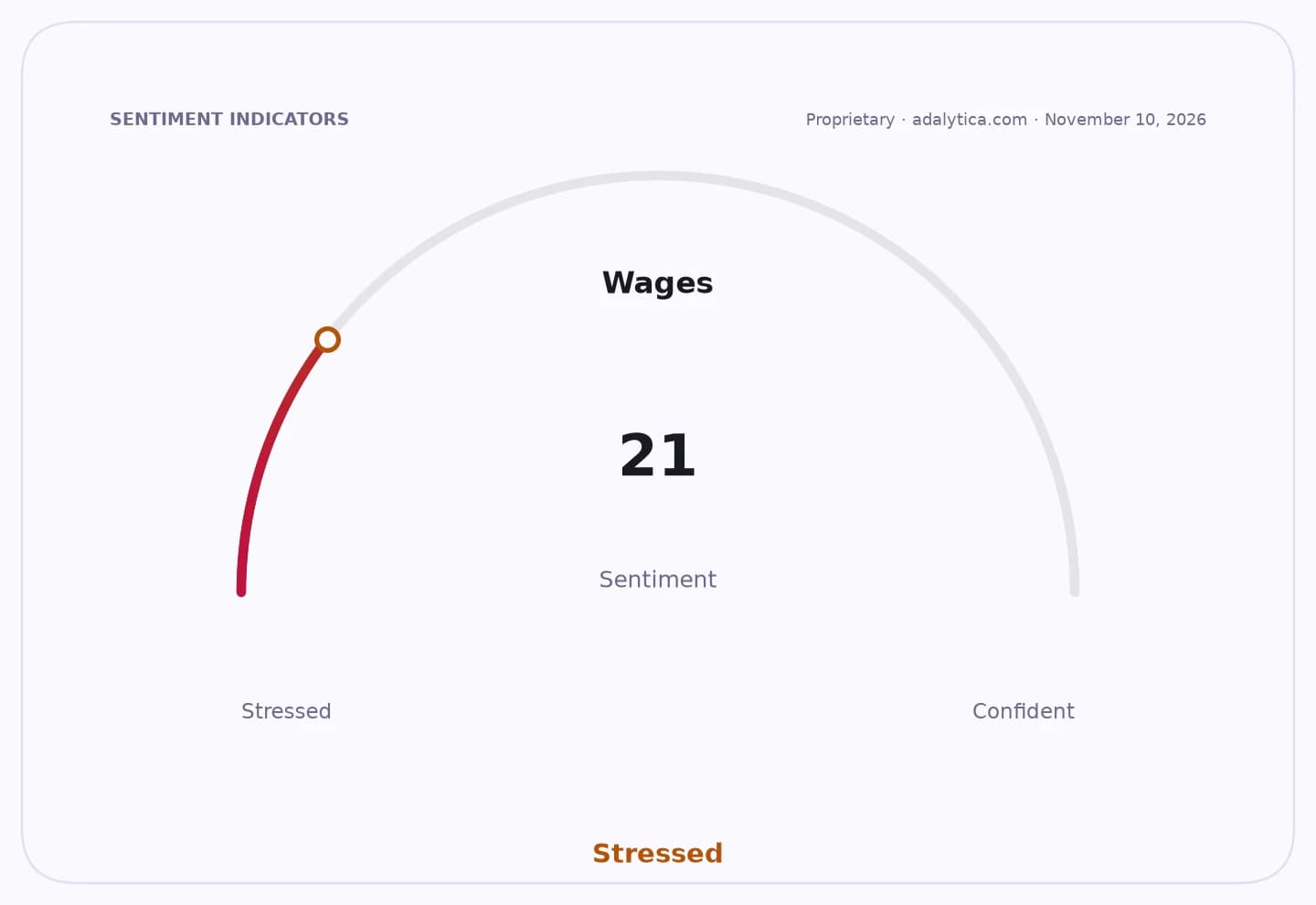
Sentiment Indicators
The finding lands against a backdrop of record household debt. The Federal Reserve Bank of New York put total household obligations at $18.8 trillion, while the survey shows three in four households still carry some form of debt. Credit cards were the most common at 43%, followed by mortgages at 27%, auto loans at 22% and personal loans at 19%. Forty-one percent of respondents said they owe at least $10,000 outside a mortgage, a sign that many families remain one shock away from tighter budgets.
For investors, the key message is that delinquency alone is not the whole story. Most respondents said they are still paying on time, which helps explain why credit losses have not yet deteriorated as sharply as the debt load might suggest. But the lack of balance reduction points to continued pressure on revolving credit and installment lenders if interest rates stay high and households keep relying on minimum payments that barely dent principal.
That dynamic is especially relevant for lenders such as Capital One, Synchrony Financial and Ally Financial, all of which have exposure to consumer borrowing patterns. Recent filings from those companies have highlighted close monitoring of delinquency trends and credit quality, while the latest price action in the stocks has reflected a market still weighing credit risk against stable employment and consumer spending.
The survey also suggests the strain is uneven. Middle-income households earning $50,000 to $99,999 were the most worried about their credit, with 31% saying they are more concerned than a year ago. Among respondents with fair credit, 39% said their credit concern has increased, and 67% said their balances stayed the same or rose — the highest share in the survey. That group is also more likely to carry credit card and buy-now-pay-later debt, making it the most exposed to a setback if labor-market conditions soften.
The broader macro backdrop helps explain why the debt burden has proved so sticky. Unemployment remains near 4.1%, supporting repayment discipline, while the Federal Reserve’s policy rate has eased only gradually and remains restrictive relative to the last decade. That combination keeps delinquencies from exploding, but it also leaves households in a holding pattern in which they can stay current without meaningfully improving their financial position.
For banks and consumer lenders, that is a mixed outcome: fewer immediate charge-offs than a recession would bring, but also a slower path to cleaner balance sheets and stronger borrower demand for new credit. For households, it means the next downturn or job loss could hit from a weaker starting point than the payment record alone suggests.
| Entity | Gains | Losses |
|---|---|---|
| Lenders | ▲Near-term repayment discipline | ▼Slower debt reduction |
| Borrowers with stable jobs | ▲Avoid missed-payment damage | ▼Little balance improvement |
| Banks and card issuers | ▲Lower immediate charge-offs | ▼Persistent credit pressure |
| Middle-income households | ▲Access to credit | ▼Rising financial stress |