Student loan debt remains one of the biggest drags on U.S. household finances, with more than $1.6 trillion outstanding across 43.4 million federal borrowers, and the pressure is now showing up in credit quality, consumer spending and lenders tied to education finance.
Student loan debt pressures U.S. consumers
S&P 500
The issue matters economically because loan payments can crowd out rent, car purchases, homebuying and retirement saving at a time when the labor market is cooling and policymakers are watching household strain more closely. The unemployment rate is projected at 4.09% for October, a reminder that even a relatively steady job market can still leave borrowers vulnerable when repayment resumes and wage garnishment looms for delinquent accounts.
Sentiment Indicators
For investors, the burden cuts both ways. Lenders exposed to student loans and adjacent consumer credit can see higher delinquencies and softer demand, while relief efforts could support discretionary spending by freeing up cash flow. Sallie Mae, which has been under pressure recently, reported that delinquencies on private education loans held for investment rose to 4.2% at Sept. 30 from 4.0% at the end of June, underscoring that repayment stress is not just a political talking point.
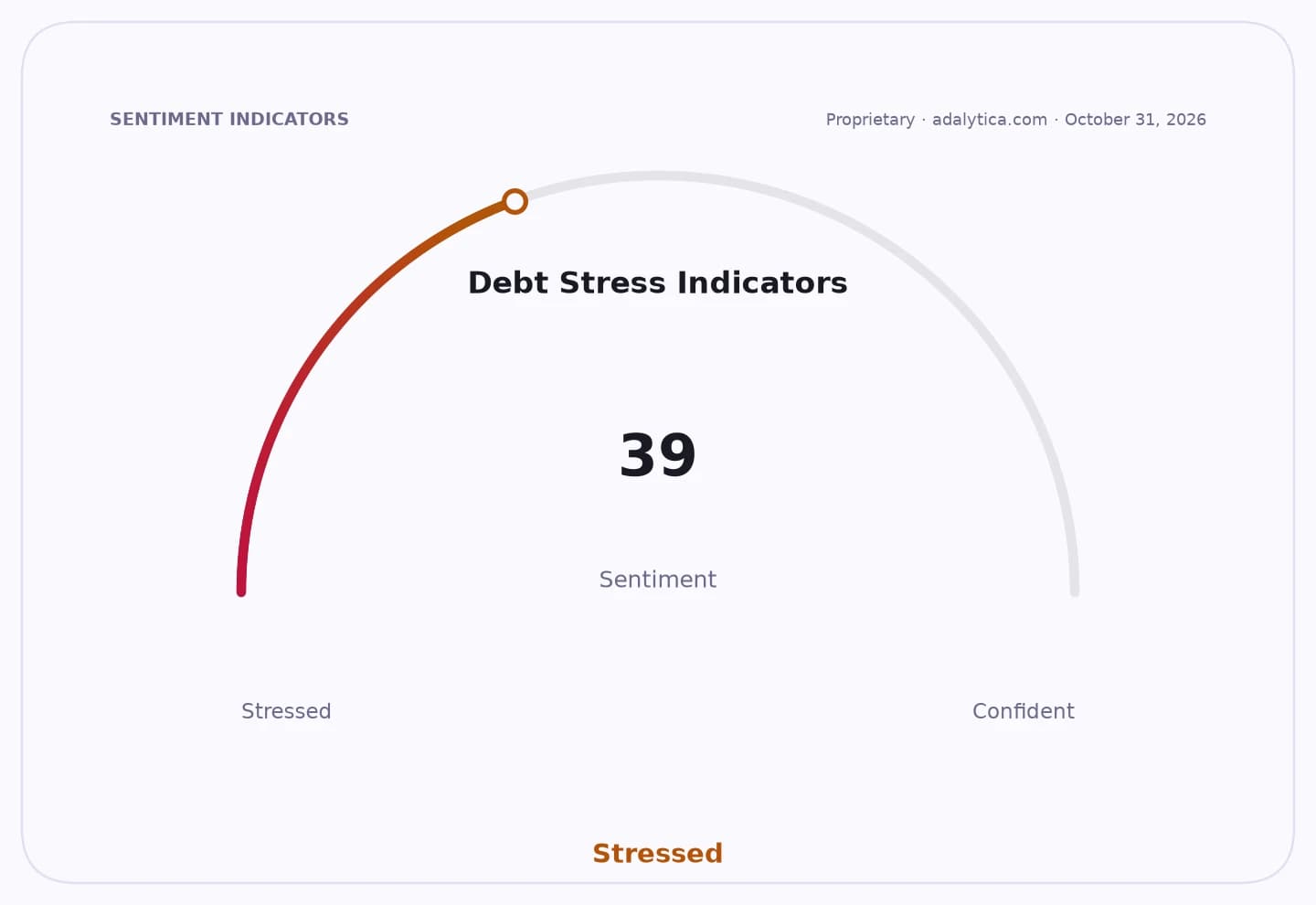
The broader market backdrop is one of uneven consumer resilience. Adalytica’s S&P 500 trade signals show neutral sentiment but extreme awareness, while its payroll sentiment gauge points to fear, suggesting investors are increasingly focused on labor-market fragility and its spillover into household credit.
That is why student debt relief remains a live policy and market issue, not just an op-ed theme. Lawmakers face mounting pressure to expand protections, curb abusive collection practices and prevent borrowers from being pushed deeper into default, especially as the economy normalizes after the pandemic-era pause in collections and repayment flexibility.
If Washington broadens relief or tightens collection rules, borrowers and consumer spending would be the clearest winners, while private education lenders and debt collectors could face slower recoveries and tighter margins.
| Entity | Gains | Losses |
|---|---|---|
| Student borrowers | ▲Lower monthly strain | ▼Collection pressure |
| Consumer retailers | ▲More discretionary spending | ▼None |
| Sallie Mae and peers | ▲None | ▼Higher delinquencies |
| Debt collectors | ▲Regulatory clarity | ▼Recovery rates |