Doha’s film festival is opening bigger, not smaller, even as Qatar has spent much of the year managing the fallout from regional conflict and higher geopolitical risk.
Doha Film Festival Opens Bigger Despite Gulf Tensions
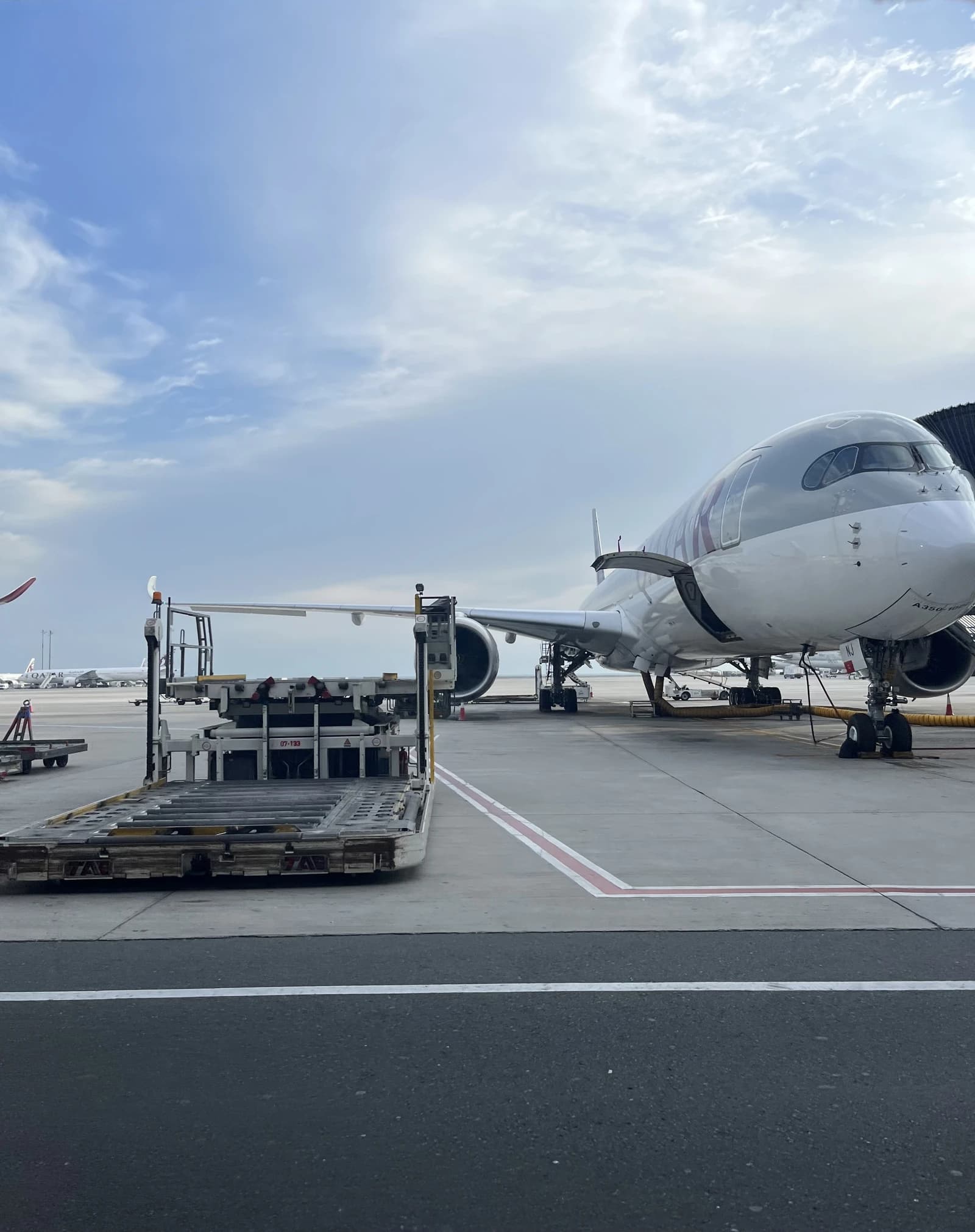
That matters because the festival is becoming more than a red-carpet cultural event: it is a signal that Doha wants its media and entertainment sector to keep expanding despite security concerns that can easily disrupt travel, sponsorships and international participation. For investors and policymakers, the message is simple — Qatar is still betting that culture, tourism and aviation can grow together, even in a volatile neighborhood.
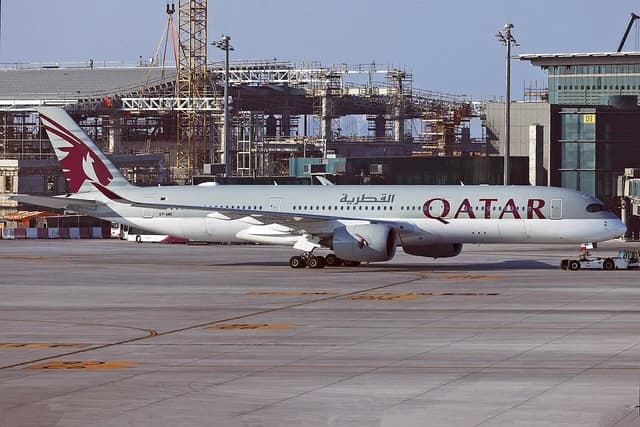
Fatma Al Remaihi, chief executive of the Doha Film Institute, said organizers prepared three separate scenarios for this year’s event, from a locals-only edition to a fully online competition, after war tensions rattled the Gulf earlier this year. Instead, the festival will run from Nov. 19 to 27 at full capacity, with more films and more guests than last year.
The scale is notable. The International Competition features 15 films and close to $200,000 in combined prize money, while 11 of those titles were backed by the Doha Film Institute’s grant programs. That is a reminder that this is not just a festival, but part of a pipeline that funds development, nurtures filmmakers and helps Qatar build an ecosystem around production, distribution and talent.
For long-term investors, that ecosystem matters. The Made in Qatar section is premiering four locally produced features for the first time, a small but important marker of industry depth. Media City Qatar, the Film Committee and Katara Studios are now more visibly involved, which suggests public and quasi-public institutions are aligning behind a broader creative-economy strategy rather than treating film as a one-off prestige project.
The timing also helps Doha. Alongside the festival, the city is hosting Fashion Trust Arabia and the Formula 1 Grand Prix, creating a dense calendar that can reinforce hotel demand, airlines, restaurants and luxury retail. In other words, the festival’s success is not only about cinema; it feeds directly into the broader push to make Doha a destination for high-value visitors and international events.
There is a geopolitical subtext too. Qatar has been active in regional de-escalation efforts, and its ability to keep flagship cultural events moving despite military tensions in the Gulf enhances its reputation as a stable hub. That kind of soft-power credibility can be economically useful, supporting inbound capital, partnerships and the kind of cross-border cooperation that underpins aviation and tourism growth.
The cancellation of another film in the wider festival orbit over misconduct allegations also shows how sensitive the global festival circuit has become to reputational risk. For Doha, the response will be watched closely: maintaining credibility matters just as much as filling seats.
For investors, the takeaway is not to chase a short-term festival headline, but to notice the bigger pattern. Qatar is steadily building a diversified entertainment and events platform, and it is doing so with state support, international partnerships and a willingness to keep moving when the region gets rough. That is the kind of institutional resilience that can compound over time.
| Entity | Gains | Losses |
|---|---|---|
| Doha Film Institute | ▲Visibility and industry credibility | ▼None in the near term |
| Qatar’s tourism and events sector | ▲Higher visitor flows and spending | ▼Volatility from regional risk |
| Local filmmakers and studios | ▲More funding and screening opportunities | ▼Smaller independent competitors |
| Festival skeptics | ▲— | ▼A stronger case for Doha’s cultural ambitions |