China has pulled a long-delayed film about the Wuhan lockdown from cinemas just as Beijing is trying to keep a tight grip on the story of the pandemic — and that matters because control over public memory is still part of China’s political playbook.
China Pulls Wuhan Lockdown Film From Cinemas
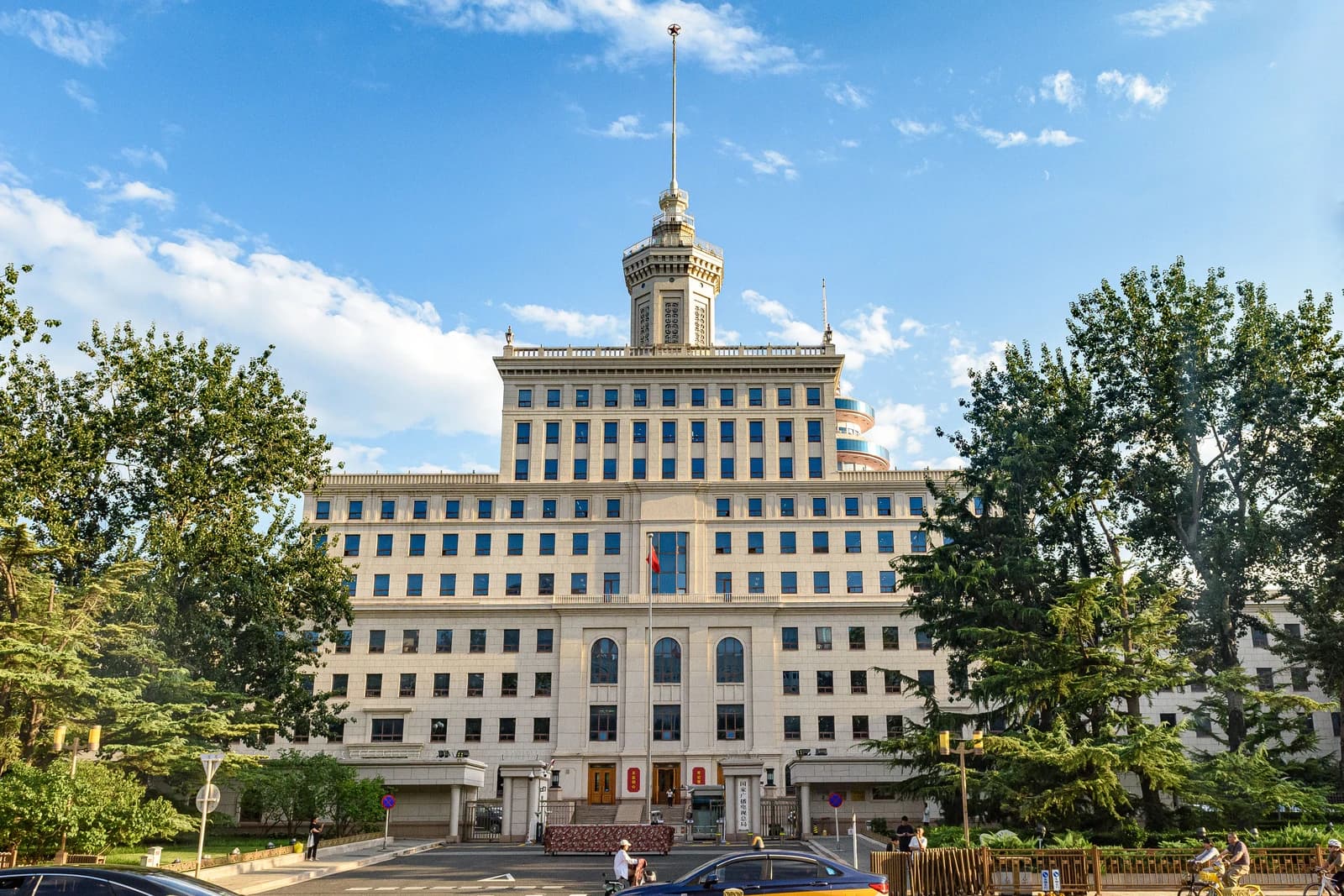
The movie, “Eroi în alb,” had been slated to open nationwide on Nov. 6 after nearly six years on the shelf, but ticketing platforms no longer showed screenings and neither distributors nor authorities offered an explanation. For investors, the significance is less about one film than about what its disappearance says about the limits of cultural expression in China and the government’s willingness to intervene when a subject becomes politically sensitive.
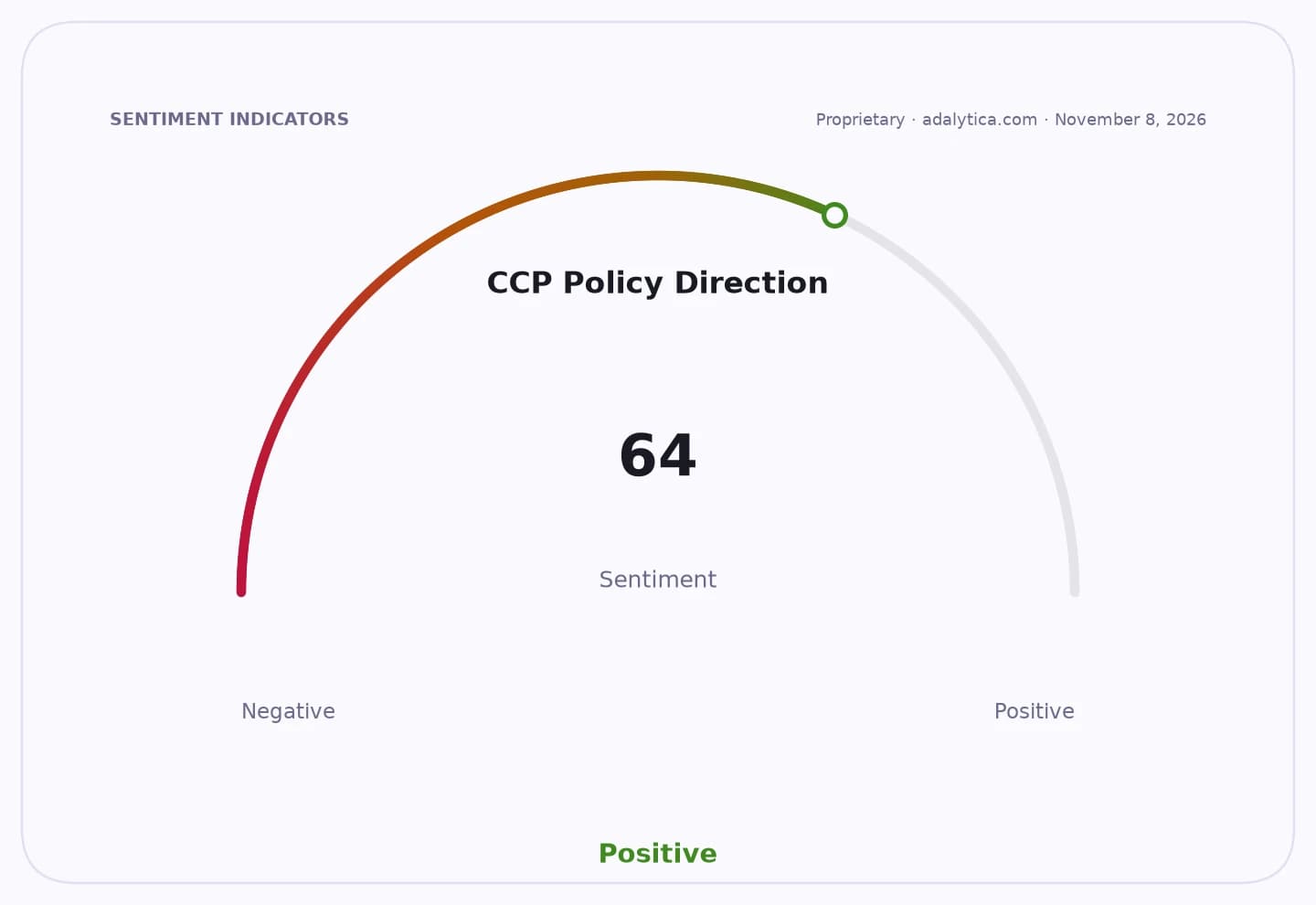
Sentiment Indicators
That sensitivity cuts both ways. The film reconstructs Wuhan’s 76-day lockdown through the experiences of doctors, patients and residents, revisiting one of the most consequential episodes of the COVID-19 era. In China, where the pandemic response was later elevated into the broader “zero-COVID” framework, revisiting those early months can reopen painful memories and potentially invite scrutiny of official decisions. The fact that the movie was announced only in mid-October, then vanished from sales platforms without comment, suggests the decision was made quickly and behind closed doors.
For media and entertainment investors, the immediate takeaway is that China’s film market remains subject to sudden political risk. Studios, distributors and streaming companies cannot assume that a completed production will be released simply because it has a date on the calendar. That uncertainty can affect licensing, marketing spend and long-range content planning, especially for projects touching on public health, governance or other politically loaded themes.
It also underscores a broader investment truth about China: the country’s consumer economy may be massive, but access to that market is still filtered through policy rather than purely commercial forces. That affects not just local filmmakers, but global media companies, brands and platforms that rely on predictable distribution and relatively open audience demand.
The long-term lesson for investors is to treat China’s entertainment sector as a policy-sensitive asset class, not a clean growth story. Companies with diversified revenue streams and limited dependence on politically exposed content are better positioned than those chasing volume in a market where a release can disappear overnight. For now, this is a reminder to watch China’s censorship backdrop as closely as its box-office numbers.
| Entity | Gains | Losses |
|---|---|---|
| Chinese authorities | ▲tighter narrative control | ▼criticism over censorship |
| Film distributors | ▲no clear gains | ▼lost release window |
| Chinese audiences | ▲limited exposure to sensitive content | ▼fewer viewing choices |
| Media investors | ▲clearer policy-risk signal | ▼weaker certainty on China releases |