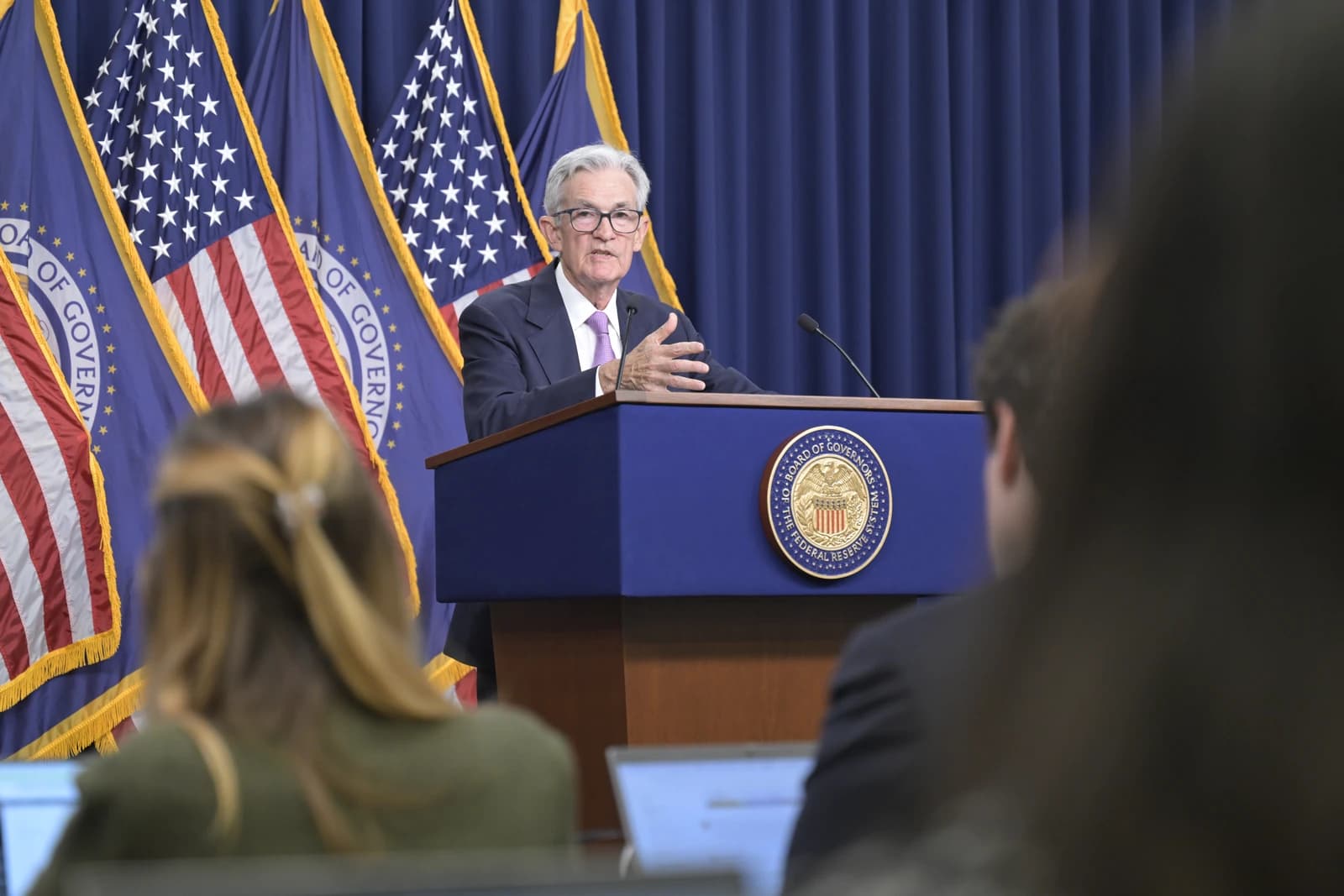
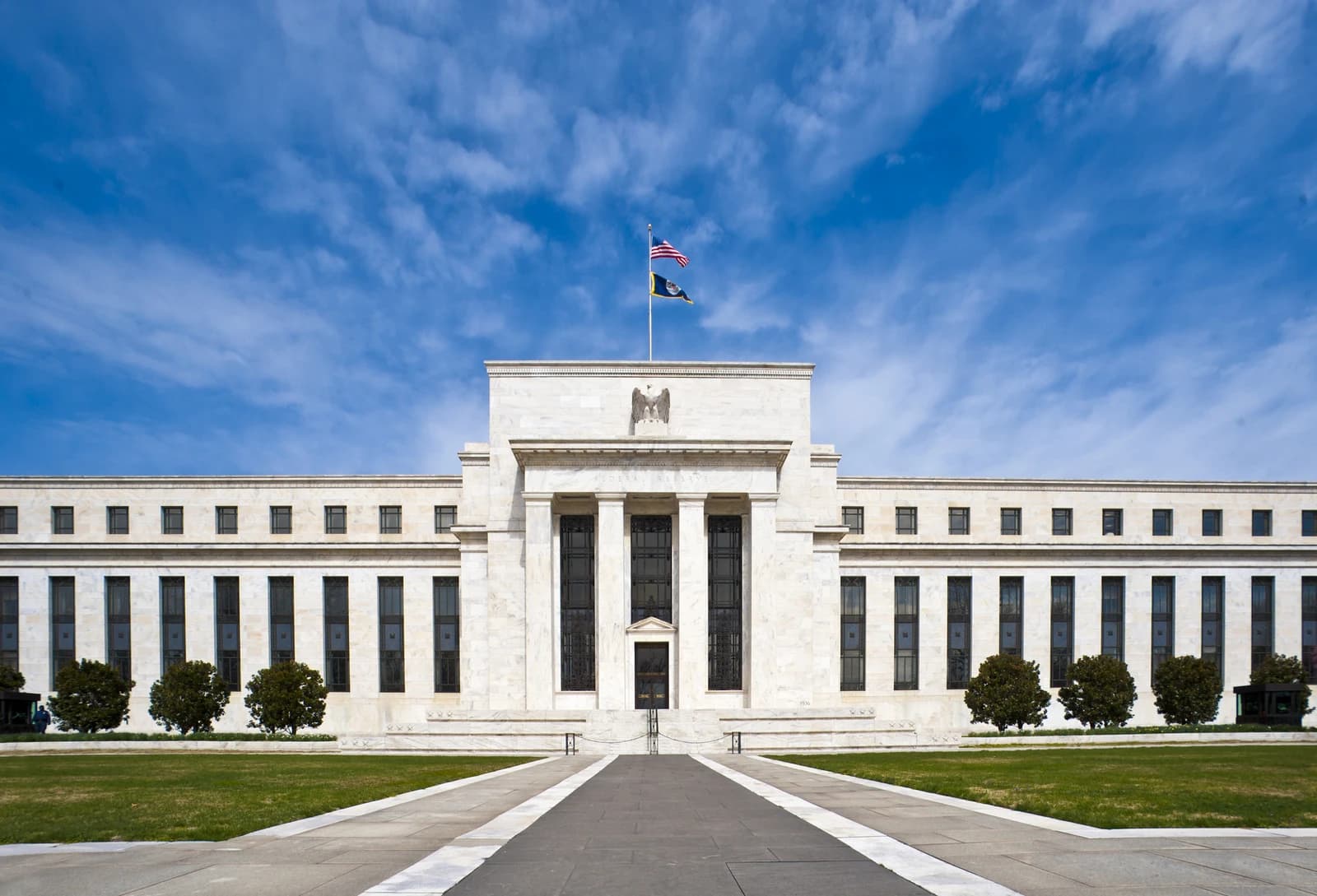
The dollar eased from a 19-month peak on Monday as last week’s global equity selloff forced traders to scale back bets on a more aggressive Federal Reserve tightening campaign, even as the yen stayed under pressure near levels that keep Japanese officials on alert.
Dollar eases as Fed hike bets cool
That matters because the market is no longer trading the dollar purely as an inflation and yield story. It is increasingly a growth-and-risk story, and that shift changes who wins and loses across currencies, rates and equities. A stronger dollar has been one of the clearest side effects of the Fed’s hawkish turn this year; any pause in that advance is a signal that the market is starting to price the damage from tighter financial conditions.
Sentiment Indicators
US Dollar
The dollar index slipped 0.2% to 103.6 after hitting its strongest level in 19 months on Nov. 19. Fed funds futures still imply a 94% chance of a 25-basis-point rate hike at the Dec. 8-9 meeting, but a 50-basis-point move has now been priced out entirely, down from more than 11% a week ago. That tells investors the market has not abandoned the Fed tightening trade — it has simply lowered the odds of an outsized move after the stock rout sharpened recession concerns.
The move is important for assets well beyond the foreign-exchange market. A softer dollar eases pressure on global liquidity, emerging markets and dollar-funded carry trades, while still leaving US policy tight enough to keep yields elevated. The 10-year Treasury yield was hovering around 4.9%, underscoring why the dollar remains firm even after backing off its highs: US rates are still attractive relative to peers.
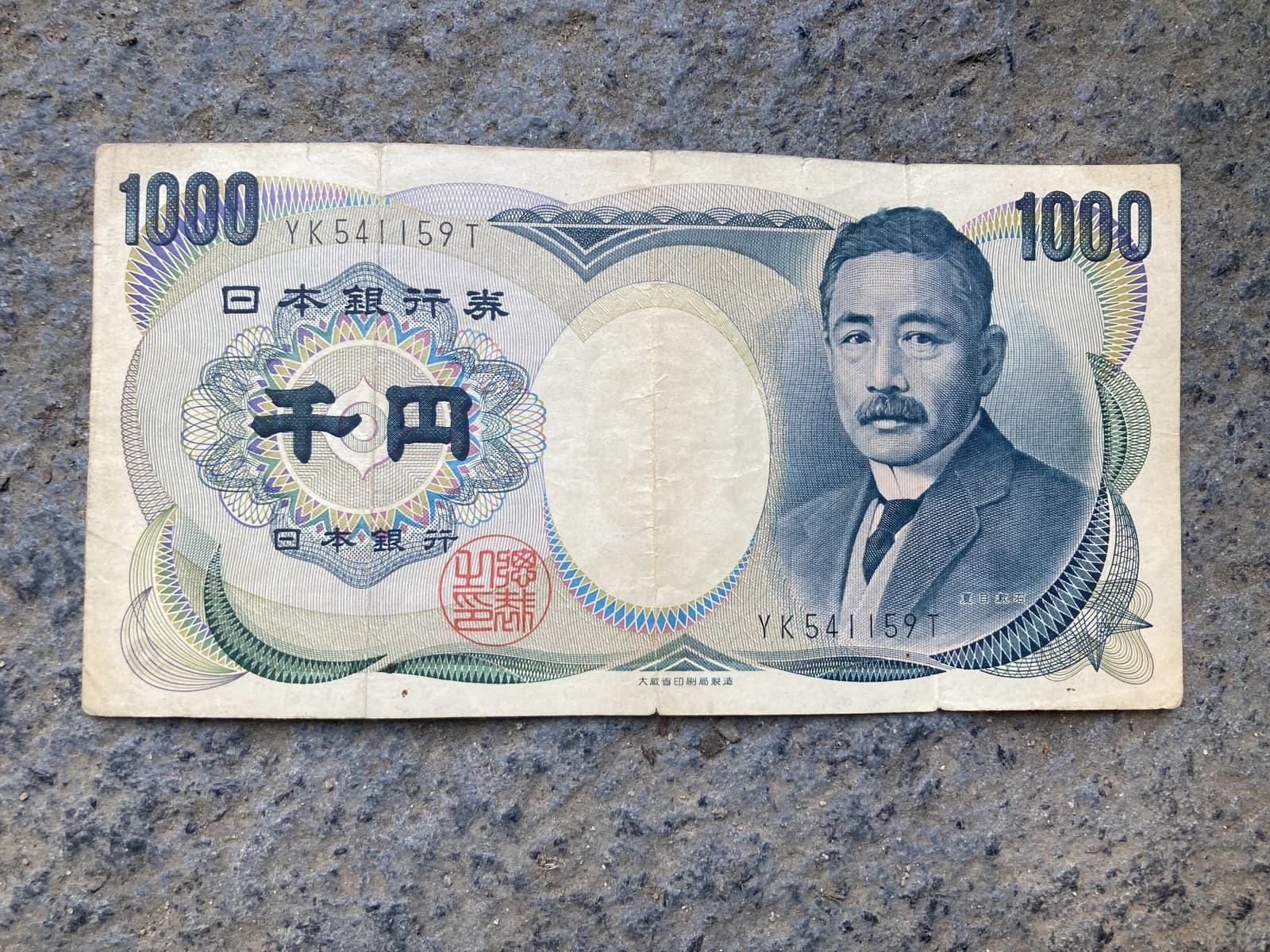
The yen remains the most fragile major currency in the mix. The dollar traded at 158.95 yen, and the market’s focus is now whether it will test 160, a level that has repeatedly raised the odds of policy intervention. Japan’s markets were shut for a holiday, but the currency backdrop is still hostile for Tokyo: a weak yen supports exporters in the short term, yet raises import costs and deepens pressure on households and policymakers already wrestling with inflation.
For investors, the message is simple: the dollar trade is not over, but the easy one-way move has become more contested. The greenback’s retreat against the euro and pound reflects a rotation out of pure safety into a more nuanced view of Fed policy and growth. At the same time, the yen remains a barometer for how far the market believes the Bank of Japan can tolerate currency weakness before being forced into action.
That creates opportunity in the second-order trades. Currency volatility should stay elevated into Wednesday’s US personal consumption expenditures report, the next major catalyst for Fed expectations. If inflation stays sticky, the dollar can quickly reassert itself. If growth fears deepen, the dollar may still rise against cyclical and funding currencies even while losing some altitude against developed-market peers. Either way, this is not a clean risk-on or risk-off backdrop — it is a market repricing the cost of policy restraint.
The bigger takeaway is that last week’s equity rout has changed the FX narrative. The market is no longer asking only how high the Fed can go. It is asking how much financial stress the global system can absorb before the tightening trade breaks down. That is where the next big move in currencies will come from.
| Entity | Gains | Losses |
|---|---|---|
| US dollar | ▲Yield support | ▼Some safe-haven bid fades |
| Japanese yen | ▲Possible intervention risk support | ▼Import costs, carry pressure |
| US exporters | ▲Stronger overseas revenue translation | ▼Weaker dollar relief limited |
| Global equities | ▲Softer dollar eases stress | ▼Tight conditions persist |